

What Is Health Anxiety?

Health anxiety describes ongoing fear or preoccupation involving illness, physical symptoms, or the possibility that something serious has been overlooked. The concern can become so consuming that it affects concentration, relationships, sleep, routines, and the ability to enjoy ordinary activities.
Someone may recognize that their fear is larger than the available evidence while still feeling unable to dismiss it. Other people may feel fully convinced that a sensation represents danger, especially when anxiety is intense.
Is Health Anxiety a Formal Diagnosis?
Health anxiety is a broad phrase rather than one diagnosis that explains every health-related fear. Similar patterns may appear in different anxiety experiences, so one symptom or period of worry cannot determine what someone is experiencing.
The more useful questions involve how much time the worry consumes, which behaviors follow it, and how the pattern affects daily life. Counseling can examine that full pattern without requiring someone to arrive with the correct label.
What Does Health Anxiety Feel Like?
Health anxiety may feel like being unable to return to normal life until a physical sensation has been completely explained. Even after receiving reassuring information, the person may wonder whether something was missed, misunderstood, or checked too early.
The worry can shift from one symptom to another rather than disappearing. A headache may dominate attention one week, while a heartbeat, skin change, stomach sensation, or moment of dizziness becomes the next source of fear.
Someone may think:
- “What if this symptom means something serious?”
- “I felt reassured yesterday, but what if something changed?”
- “What if I explained the sensation incorrectly?”
- “I need to check one more time before I can relax.”
- “Other people do not seem worried enough about this.”
- “If I stop monitoring my body, I might miss an important warning.”
- “I know searching makes me more anxious, but not searching feels irresponsible.”
- “I cannot enjoy today until I know I am safe.”
Common Signs of Health Anxiety
Health anxiety can involve thoughts, emotions, physical sensations, and behaviors. Some people seek frequent information and reassurance, while others avoid anything that could remind them of illness.
Common signs may include:
- Frequently checking the body for changes, pain, swelling, or unusual sensations.
- Repeatedly searching symptoms or health conditions online.
- Asking family members for reassurance about the same concern.
- Comparing personal symptoms with stories about other people’s illnesses.
- Feeling unable to trust reassuring information for long.
- Interpreting ordinary sensations as evidence of serious danger.
- Monitoring breathing, heart rate, vision, balance, or digestion.
- Avoiding exercise because physical sensations feel threatening.
- Avoiding health-related news, conversations, or television programs.
- Struggling to concentrate because attention keeps returning to the body.
- Moving from one feared condition to another.
- Feeling responsible for preventing every possible health problem.
- Repeatedly reviewing when a sensation started and whether it has changed.
- Losing sleep while researching or monitoring symptoms.
These behaviors are commonly recognized features of health anxiety, particularly when worry and checking begin taking over daily life. Read an overview of health-anxiety patterns.
Why Health Anxiety Can Feel So Convincing
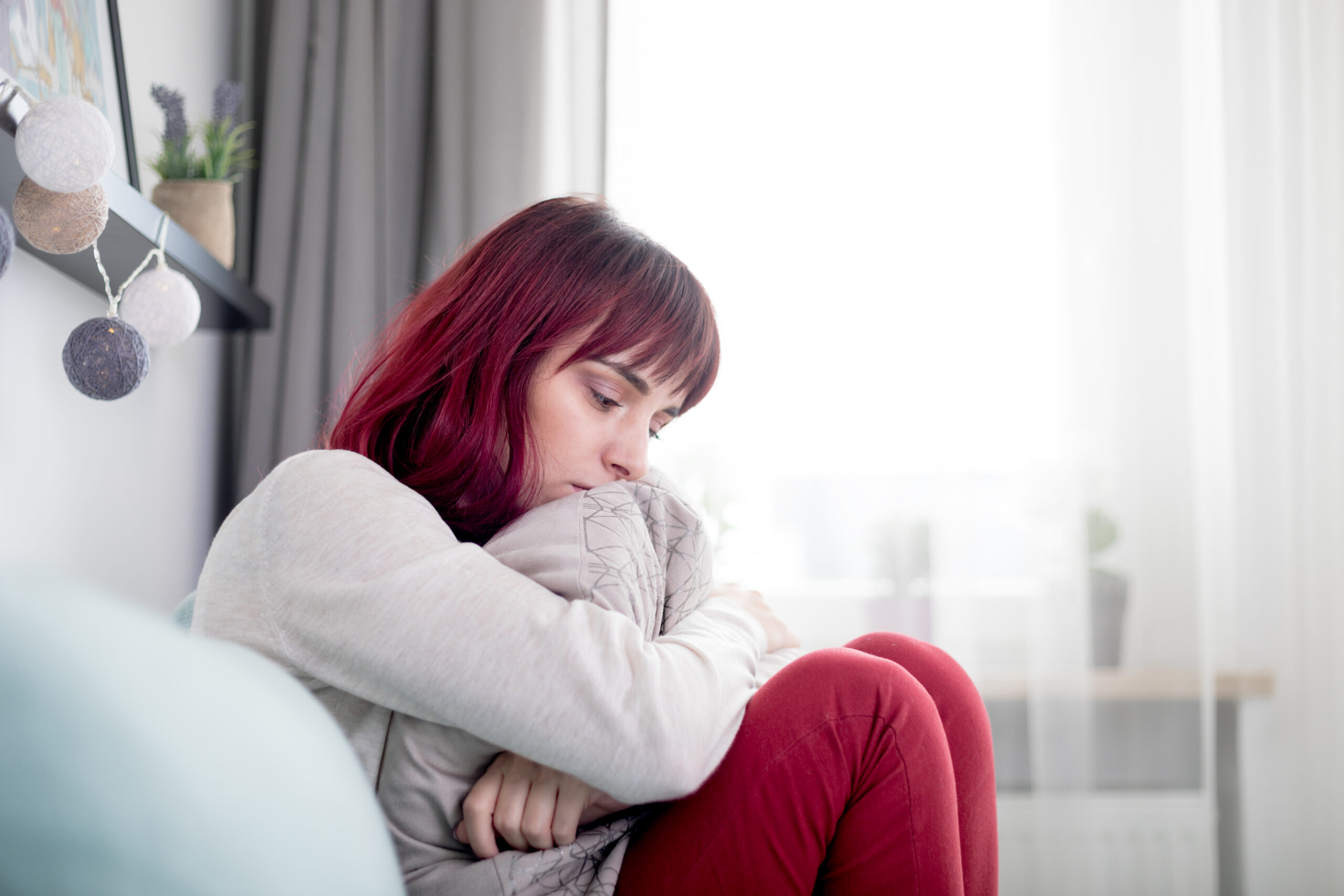
Physical sensations feel immediate and personal, which can make them difficult to place in perspective. When the possibility of illness carries intense emotional meaning, even a minor or familiar sensation may feel too important to ignore.
Anxiety also narrows attention toward possible danger. Once a sensation is identified as threatening, the person may notice it more often, interpret normal changes as escalation, and find it increasingly difficult to consider less frightening explanations.
Health Anxiety Does Not Mean the Sensations Are Imaginary
A person experiencing health anxiety may notice genuine pain, tension, dizziness, fatigue, digestive changes, or variations in heartbeat. The presence of anxiety does not mean the person is inventing those sensations or choosing to exaggerate them.
The difficulty often lies in the meaning attached to the sensation and the behaviors used to obtain certainty. Counseling does not need to argue that the sensation is unreal to help someone respond differently to fear.
How Anxiety Can Intensify Physical Sensations
Anxiety can affect breathing, muscle tension, digestion, sleep, heart rate, energy, and attention. These changes may create sensations that feel unfamiliar or alarming, especially when the person is already monitoring the body closely.
Fear can then increase the physical response, making the sensation feel stronger and more convincing. The person may become caught between feeling anxious because of the sensation and experiencing more sensations because anxiety has increased.
The pattern may look like this:
- A sensation appears: The person notices discomfort, tension, dizziness, or another physical change.
- A frightening meaning is assigned: The sensation is interpreted as evidence of serious illness.
- Anxiety increases: Attention narrows and the body becomes more activated.
- The sensation becomes more noticeable: Tension, altered breathing, or constant monitoring intensifies the experience.
- Checking begins: The person searches, compares, measures, or asks for reassurance.
- Relief appears briefly: A reassuring answer lowers anxiety for a short time.
- Doubt returns: A new sensation or unanswered possibility restarts the cycle.
Why Body Checking Can Reinforce the Fear
Body checking may include touching an area repeatedly, monitoring a heartbeat, inspecting the skin, testing balance, measuring something, or comparing both sides of the body. The behavior often begins as an attempt to determine whether the person is safe.
Checking directs even more attention toward the sensation and creates additional opportunities to notice normal variation. If relief depends on checking, the urge may return whenever uncertainty appears.
How Online Symptom Searching Affects Health Anxiety
Online searching can feel like a responsible attempt to understand what is happening. However, search results often present a wide range of possibilities without the context needed to determine what any one sensation means.
The person may begin with one question and discover several new conditions, symptoms, or warning signs to monitor. Instead of resolving uncertainty, the search can expand the number of possibilities that now feel necessary to investigate.
Online searching may become part of the cycle when someone:
- Searches the same symptom using slightly different wording.
- Reads beyond the information that originally felt reassuring.
- Focuses on rare or frightening explanations.
- Compares personal experiences with dramatic online stories.
- Checks several sources but trusts none of them for long.
- Searches late at night when fear and fatigue are already elevated.
- Begins monitoring new symptoms discovered during the search.
- Feels relief only until another possibility appears.
Why Reassurance Does Not Always Last
Reassurance can lower anxiety quickly because it offers an answer to an uncertain question. The problem is not that comfort or support is harmful; it is that repeated reassurance can teach the person that uncertainty is intolerable and must always be removed.
Once doubt returns, another conversation, search, or check may feel necessary. Research on reassurance-seeking suggests that the behavior is often used to reduce distress and perceived threat, but the relief may not resolve the underlying fear. Review research on reassurance-seeking and health anxiety.
Health Anxiety vs. Ordinary Health Concern
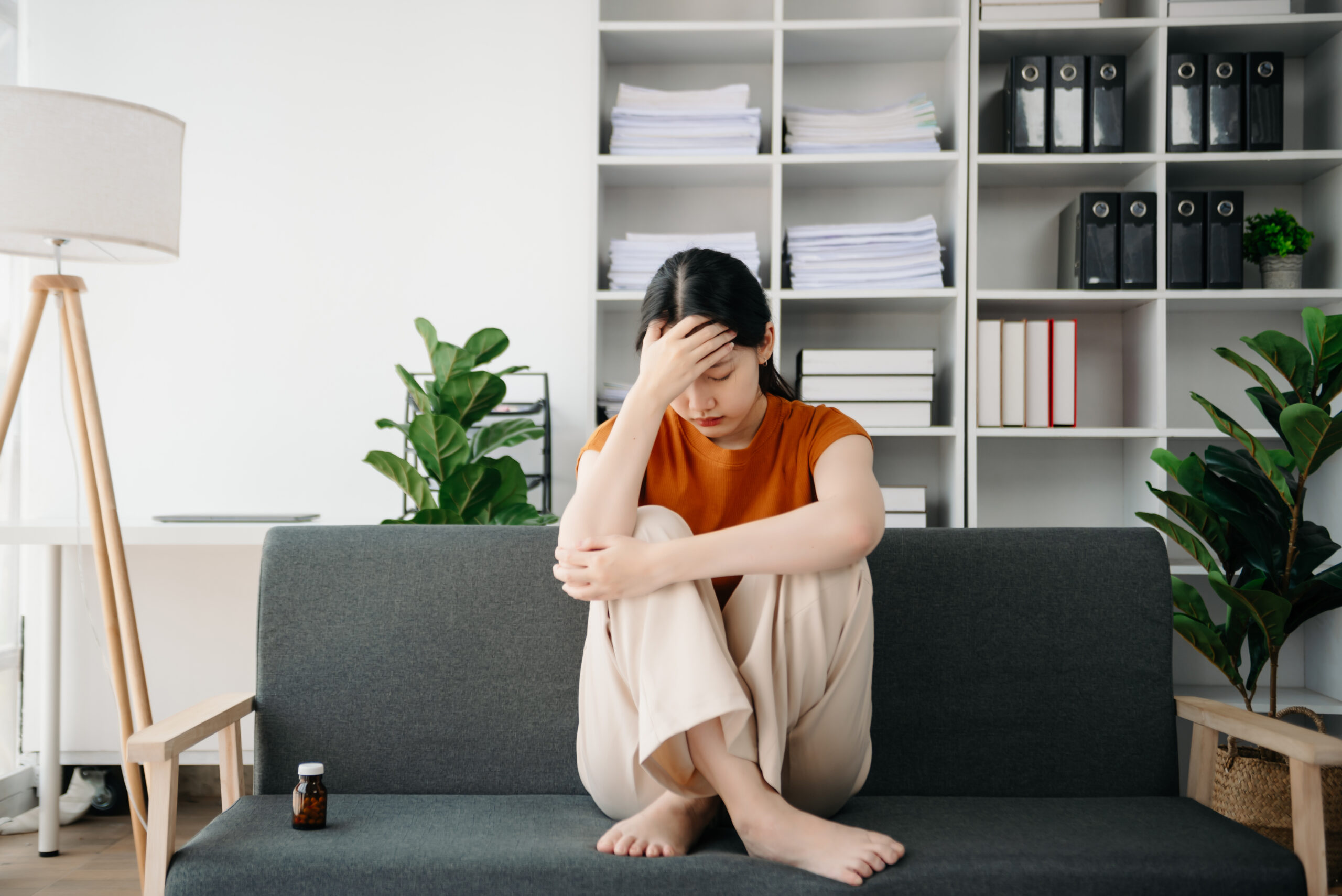
Concern about health is not automatically health anxiety. Paying attention to meaningful changes and making thoughtful decisions can coexist with the ability to return attention to work, relationships, and ordinary life.
Health anxiety is more likely to involve persistent fear, repeated attempts to obtain certainty, and difficulty disengaging from the concern. The distinction depends on the broader pattern rather than whether a particular symptom is present.
| Ordinary health concern | Possible health-anxiety pattern |
|---|---|
| Concern is connected to a specific change. | Fear may spread to several sensations or possible conditions. |
| Information helps guide a reasonable next step. | Information produces only brief relief before doubt returns. |
| Attention can return to other areas of life. | Monitoring and worry repeatedly interrupt daily activities. |
| Uncertainty feels uncomfortable but manageable. | Uncertainty feels dangerous or impossible to tolerate. |
| Checking has a clear purpose and stopping point. | Checking continues because certainty never feels complete. |
Health Anxiety vs. General Anxiety
General anxiety can involve worry across work, relationships, finances, family, performance, and future events. Health anxiety is organized more specifically around bodily sensations, illness, health information, or the fear of overlooking danger.
The two patterns can overlap, and someone may move between them depending on stress and life circumstances. Counseling can explore the function of the worry rather than forcing every anxious thought into a separate category.
Health Anxiety vs. Panic
Panic often involves a sudden surge of intense fear accompanied by physical sensations such as a racing heartbeat, shortness of breath, trembling, dizziness, or feeling disconnected. Health anxiety may develop around the meaning of those sensations before, during, or after the episode.
Someone may fear another panic episode because they interpret it as evidence of a serious physical problem. This can connect health anxiety with avoidance, body monitoring, and fear of future sensations.
Why Uncertainty Is Central to Health Anxiety
Complete certainty about the body is rarely available because sensations naturally change from day to day. Health anxiety may create the belief that calm is only possible after every dangerous possibility has been ruled out.
That standard leaves the person with an impossible task. Counseling often focuses less on proving that nothing bad could ever happen and more on helping someone live meaningfully without resolving every uncertain thought.
How Health Anxiety Can Lead to Avoidance
Some people respond to health fears by checking, researching, or seeking reassurance, while others avoid reminders of illness entirely. Both responses attempt to reduce distress, even though they appear opposite from the outside.
Avoidance may provide short-term relief but can make the avoided situation feel more threatening over time. The person loses opportunities to discover that anxiety can rise and eventually change without every feared outcome occurring.
Avoidance may include:
- Skipping exercise because a faster heartbeat feels dangerous.
- Avoiding travel because support feels less accessible away from home.
- Refusing to discuss illness or health concerns.
- Avoiding television programs or stories involving disease.
- Withdrawing from people who have experienced health problems.
- Limiting food or activities because of feared bodily reactions.
- Avoiding being alone in case a sensation appears.
- Canceling plans when the body does not feel completely normal.
- Avoiding sleep because bodily sensations feel harder to monitor.
- Stepping away from meaningful activities that create physical exertion.
The Health-Anxiety Cycle
Health anxiety often persists because the behaviors used to reduce fear work temporarily. Checking, searching, reassurance, and avoidance may lower distress in the moment while preventing the person from learning that uncertainty can be tolerated.
The cycle is not evidence that the person wants attention or enjoys worrying. It reflects a protective system that has become increasingly sensitive and demanding.
The cycle may look like this:
- A trigger occurs: A sensation, story, memory, or health-related conversation captures attention.
- A catastrophic interpretation develops: The trigger is connected to a frightening possibility.
- Anxiety intensifies: Physical activation and threat-focused attention increase.
- A safety behavior begins: The person checks, searches, seeks reassurance, or avoids.
- Temporary relief follows: Fear decreases because the behavior feels protective.
- The behavior gains importance: The mind learns that checking or reassurance prevented danger.
- Uncertainty returns: Another sensation or possibility restarts the cycle.
Why Health Anxiety May Shift Between Conditions
The central fear may remain even when the specific suspected condition changes. Reassurance about one concern can close that question temporarily while leaving the broader need for certainty untouched.
A new sensation may then become the next explanation for why the person does not feel completely safe. This can be confusing because each individual fear feels separate even though the same cycle supports them.
How Past Experiences Can Shape Health Anxiety
Health anxiety may become more likely after a frightening personal experience, the illness or loss of someone important, repeated exposure to health-related uncertainty, or a period when someone felt unprotected. The mind may learn that constant attention is necessary to prevent another painful surprise.
Not everyone with health anxiety can identify one beginning. Stress, temperament, family messages, online information, and learned responses may interact differently for each person.
How Health Anxiety Can Affect Relationships
Loved ones may become part of the reassurance cycle when they are repeatedly asked to inspect a symptom, interpret information, or promise that nothing is wrong. They may want to help while feeling uncertain about whether reassurance is reducing or maintaining the fear.
The person experiencing health anxiety may feel dismissed if others become frustrated or stop answering questions. Clear and compassionate boundaries can acknowledge the fear without participating in endless attempts to create certainty.
How Health Anxiety Can Affect Daily Life
Health anxiety can consume time that would otherwise support relationships, work, sleep, rest, or meaningful activities. A person may appear functional while privately monitoring their body throughout conversations, meetings, meals, and family time.
Even enjoyable experiences can become difficult when attention remains focused on detecting changes. The person may postpone plans until they feel completely safe, only to discover that the required sense of certainty never arrives.
Possible effects include:
- Difficulty concentrating on work or school.
- Interrupted sleep caused by checking or searching.
- Withdrawing from family activities.
- Avoiding exercise, travel, or unfamiliar settings.
- Feeling unable to be fully present in conversations.
- Repeated conflict about reassurance.
- Spending substantial time researching symptoms.
- Losing interest in activities that feel unrelated to staying safe.
- Feeling emotionally exhausted by constant monitoring.
- Organizing routines around the possibility of illness.
Practical Ways to Respond to Health-Anxiety Patterns
The goal is not to ignore every sensation or force the mind to believe that nothing could ever be wrong. A more realistic goal is noticing when fear has triggered a familiar cycle and creating enough space to choose a different response.
Begin with one behavior rather than trying to eliminate every worry immediately. Small, repeatable changes are more useful than turning recovery into another test of perfect control.
Helpful starting points include:
- Name the pattern: Try, “I am having a health-anxiety thought,” rather than treating the thought as a confirmed fact.
- Track triggers: Notice what occurred before checking, searching, or seeking reassurance.
- Delay one check: Create a brief pause before repeating a behavior that has already provided no lasting relief.
- Limit symptom searching: Establish a clear boundary instead of continuing until every possibility has been investigated.
- Separate sensation from interpretation: Describe what is physically noticeable before adding a conclusion about what it means.
- Return attention deliberately: Choose one valued activity rather than waiting to feel completely certain first.
- Notice reassurance urges: Ask whether the question seeks new information or temporary emotional relief.
- Use balanced language: Replace “This must be serious” with “I notice a sensation, and anxiety is offering the most frightening explanation.”
- Reduce repeated comparison: Avoid repeatedly measuring today’s sensation against yesterday’s experience.
- Practice allowing uncertainty: Remind yourself that discomfort and uncertainty can exist without requiring immediate action.
What to Do When a Physical Sensation Triggers Fear
Start by slowing the sequence between noticing the sensation and responding to it. Describe the experience in neutral terms, notice the frightening interpretation, and identify which checking or reassurance behavior feels most urgent.
The purpose is not to prove the sensation harmless through positive thinking. It is to prevent anxiety from automatically turning one uncertain moment into hours of monitoring, searching, and withdrawal.
A brief response might include:
- “I notice tightness in my chest.”
- “My mind is interpreting it as immediate danger.”
- “My anxiety is increasing my attention to the sensation.”
- “I feel an urge to search or check repeatedly.”
- “I can pause before entering the usual cycle.”
- “I will return to the activity I was doing while allowing uncertainty to remain.”
How to Support Someone With Health Anxiety

Begin by acknowledging the emotional experience rather than mocking the fear or debating every possible condition. Statements such as “I can tell this feels frightening” communicate care without promising certainty that no risk could ever exist.
Support does not require answering the same question indefinitely. A calm boundary can redirect the conversation toward the person’s emotions, coping plan, or counseling strategies.
Helpful responses include:
- “I can hear how worried you feel.”
- “We have discussed this concern, and I do not think repeating the same reassurance will help for long.”
- “What usually helps you step out of the checking cycle?”
- “Would it help to return to the activity we were doing?”
- “I care about you, and I cannot provide complete certainty.”
- “Let’s focus on how you want to respond to the anxiety right now.”
- “Your fear is real, even if we cannot resolve every possibility.”
When Should You Consider Counseling?
Counseling may be helpful when health worries, checking, searching, reassurance, or avoidance repeatedly interfere with sleep, concentration, relationships, or valued activities. Support may also be worthwhile when reassurance never lasts or the feared condition changes while the underlying anxiety remains.
Someone does not need to wait until health anxiety controls every part of life. Therapy can help clarify the pattern and develop responses that respect the person’s concerns without allowing fear to determine every decision.
How Counseling Can Help With Health Anxiety
Counseling can help someone understand how sensations, catastrophic interpretations, anxiety, and safety behaviors reinforce one another. A therapist may support gradual changes in body checking, reassurance-seeking, online searching, and avoidance while helping the person tolerate uncertainty.
The purpose is not to shame someone for caring about their health or demand that every fear disappear. Therapy can support a more flexible relationship with bodily sensations, anxious thoughts, uncertainty, and the urge to obtain immediate reassurance.
Counseling may focus on:
- Identifying personal health-anxiety triggers.
- Understanding the checking and reassurance cycle.
- Separating physical sensations from catastrophic conclusions.
- Reducing repeated symptom searching.
- Responding differently to reassurance urges.
- Increasing tolerance for uncertainty.
- Gradually returning to avoided activities.
- Addressing memories or experiences that shaped health fears.
- Communicating needs without relying on repeated certainty.
- Reconnecting with relationships and meaningful routines.
- Developing a less critical response to anxiety.
- Planning for future periods when health fears become more intense.
Understanding Health Anxiety Near Grand Lakes and Katy
People near Grand Lakes may balance commuting, demanding work, school schedules, caregiving, and family responsibilities throughout Katy. Someone can remain dependable in these roles while privately checking sensations, researching symptoms, or struggling to stay present because part of their attention remains focused on possible danger.
Acceptance Path Counseling offers anxiety therapy in Katy for people who want to understand health-related fears without being dismissed or trapped in repeated reassurance. Counseling can provide space to examine the cycle and develop more sustainable ways of responding to uncertainty.
Conclusion
Health anxiety can turn an ordinary sensation or uncertain thought into a demanding cycle of fear, checking, reassurance, searching, and avoidance. The concern is not simply that someone cares about their health; it is that the search for complete certainty begins limiting daily life.
People near Grand Lakes can explore these patterns through anxiety counseling when health fears begin affecting relationships, sleep, concentration, or meaningful choices. Counseling can help someone respond to uncertainty with greater flexibility without requiring them to ignore their body or eliminate every anxious thought.
FAQs
Is counseling for health anxiety available near Grand Lakes?
Yes. Acceptance Path Counseling provides anxiety counseling for people near Grand Lakes and throughout Katy who struggle with persistent health fears, body checking, symptom searching, reassurance-seeking, or avoidance. Therapy can help someone understand the cycle and develop more flexible responses to uncertainty.
Can Grand Lakes residents attend online counseling for health anxiety?
Online counseling may be available to Grand Lakes residents when the therapist is licensed in Texas. Virtual sessions can offer flexibility for people balancing commuting, work, school, caregiving, or family responsibilities while allowing them to discuss health-anxiety patterns from a familiar setting.
How can a therapist in Katy help with health anxiety?
A therapist can help someone examine how physical sensations, catastrophic interpretations, checking, reassurance, and avoidance affect one another. Counseling may also support uncertainty tolerance, reduced symptom searching, gradual changes in safety behaviors, and renewed participation in meaningful activities.
Is health anxiety the same as imagining symptoms?
No. People with health anxiety can experience genuine physical sensations, while anxiety may influence how closely those sensations are monitored and what they are believed to mean. Counseling can address the fear and behavioral cycle without dismissing the person’s physical experience.
Can health anxiety improve with counseling?
Health anxiety may become more manageable as someone learns to recognize triggers, reduce repeated safety behaviors, tolerate uncertainty, and respond differently to frightening interpretations. Progress is individual and does not require someone to achieve perfect certainty or never experience another health-related worry.