

What Is a Panic Attack?
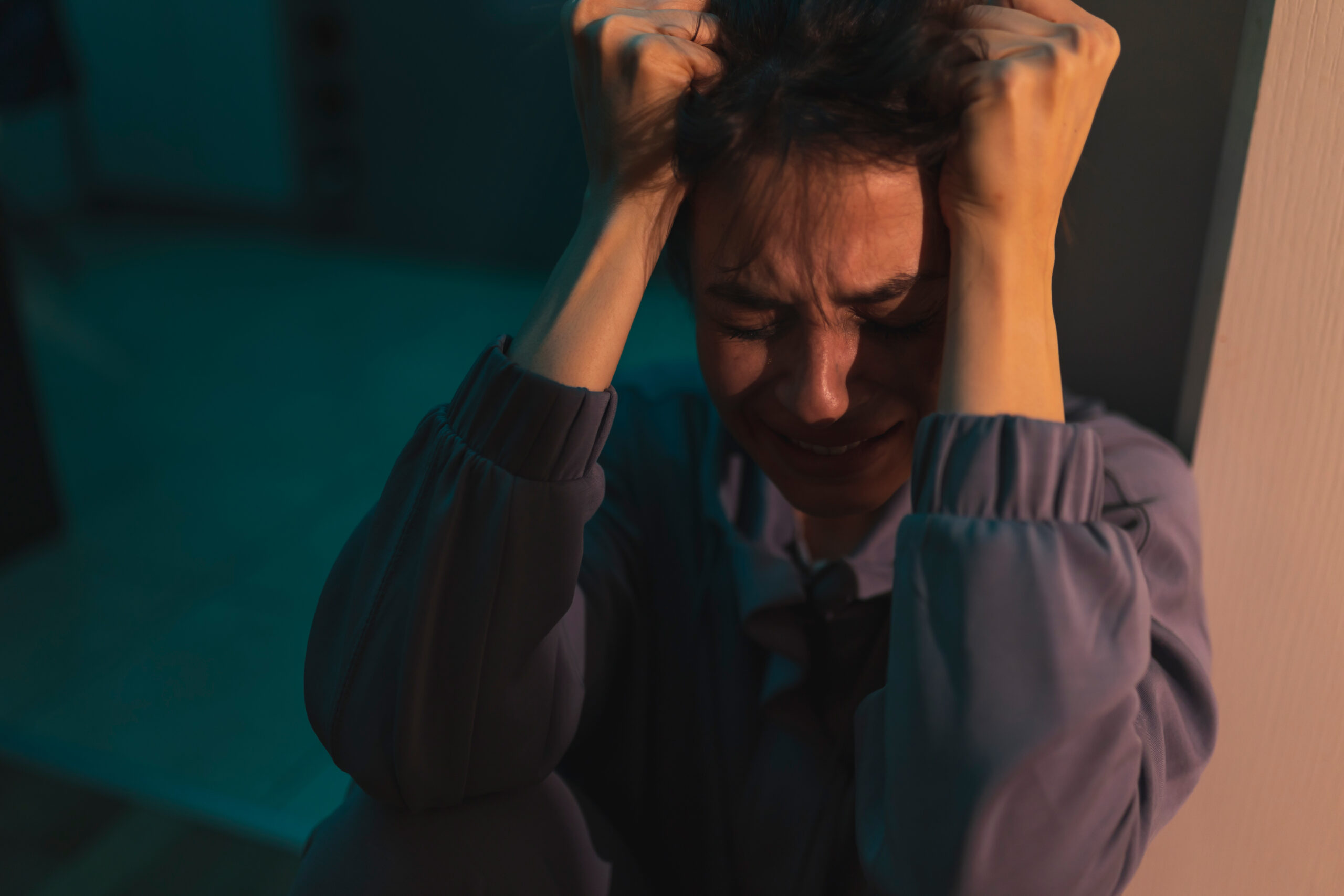
A panic attack is a sudden wave of intense fear or discomfort accompanied by strong physical and emotional sensations. It may feel as though the body’s alarm system has activated without enough warning or a clearly identifiable danger.
The sensations often escalate quickly, which can make the experience feel overwhelming or difficult to understand. Because similar sensations can have different explanations, a symptom list cannot determine the cause of a new or unfamiliar episode.
Common signs of a panic attack include:
- A racing or pounding heartbeat: The heartbeat may suddenly feel faster, stronger, or more noticeable than usual.
- Shortness of breath: Breathing may become rapid or shallow, creating the feeling that it is difficult to get enough air.
- Chest tightness or discomfort: Muscle tension and changes in breathing can make the chest feel tight, heavy, or uncomfortable.
- Dizziness or lightheadedness: A person may feel unsteady, disconnected, or concerned that they could faint.
- Sweating, trembling, or chills: The body’s alarm response can create shaking, increased warmth, perspiration, or sudden chills.
- Stomach discomfort: Nausea, abdominal discomfort, or a sudden need to use the restroom may accompany the attack.
- Numbness or tingling: Changes in breathing and heightened physical awareness may contribute to tingling sensations.
- Feelings of unreality: Someone may feel detached from themselves or as though their surroundings are distant or dreamlike.
- Fear of losing control: The intensity of the sensations may create the frightening impression that something terrible is about to happen.
What Is Panic Disorder?

Panic disorder describes a broader and more persistent pattern than an isolated panic attack. It involves recurring, unexpected panic attacks followed by ongoing concern about another attack, meaningful behavioral changes, or both.
Someone may begin avoiding exercise, driving, crowded spaces, unfamiliar places, or situations where leaving would feel difficult. According to the NIMH, this continuing fear and behavioral change helps distinguish panic disorder from an occasional panic attack.
Common patterns associated with panic disorder include:
- Experiencing recurring, unexpected panic attacks
- Worrying persistently about when the next attack will occur
- Monitoring the body for early signs of panic
- Avoiding places connected with previous attacks
- Changing routines to remain close to perceived safety
- Depending heavily on reassurance from other people
- Avoiding sensations that resemble panic
- Feeling increasingly restricted by fear of another episode
Panic Attack vs Panic Disorder: What Is the Difference?
The main difference is that a panic attack is an episode, while panic disorder is an ongoing pattern involving repeated attacks and their aftermath. A person can experience a panic attack without developing persistent fear, avoidance, or significant changes to daily life.
With panic disorder, the person may spend considerable time anticipating, preventing, or recovering from possible attacks. The fear of future panic can begin influencing decisions even when no attack is currently happening.
The differences may be summarized as follows:
| Feature | Panic attack | Panic disorder |
|---|---|---|
| What it describes | A sudden episode of intense fear or discomfort | An ongoing pattern involving recurring, unexpected attacks |
| Frequency | May happen once or occasionally | Includes recurring attacks |
| Ongoing fear | May pass without persistent concern | Often includes continuing fear of another attack |
| Behavioral changes | Does not necessarily change everyday routines | May lead to avoidance, checking, or safety behaviors |
| Daily impact | Can be highly distressing during and after the episode | May increasingly affect work, travel, relationships, and other choices |
| Counseling focus | Understanding the episode and response | Addressing panic, anticipatory anxiety, avoidance, and fear of sensations |
Can One Panic Attack Mean You Have Panic Disorder?
No, experiencing one panic attack does not automatically mean someone has panic disorder. Panic attacks may occur during periods of intense stress, within other anxiety patterns, or as an isolated experience that does not continue.
The distinction depends less on how frightening one episode felt and more on what happens afterward. Recurring unexpected attacks, persistent fear, and meaningful behavioral changes are more consistent with the broader panic-disorder pattern.
Why Can a Panic Attack Feel as Though It Came From Nowhere?
Some panic attacks follow a recognizable stressor, but others seem to appear without warning. The nervous system may respond to a subtle thought, memory, physical sensation, or accumulated stress before the person consciously identifies what has changed.
A seemingly sudden attack does not mean the experience is imaginary or intentional. It may mean that the body detected a possible threat before the thinking mind had enough time to make sense of it.
How Fear of Physical Sensations Can Escalate Panic
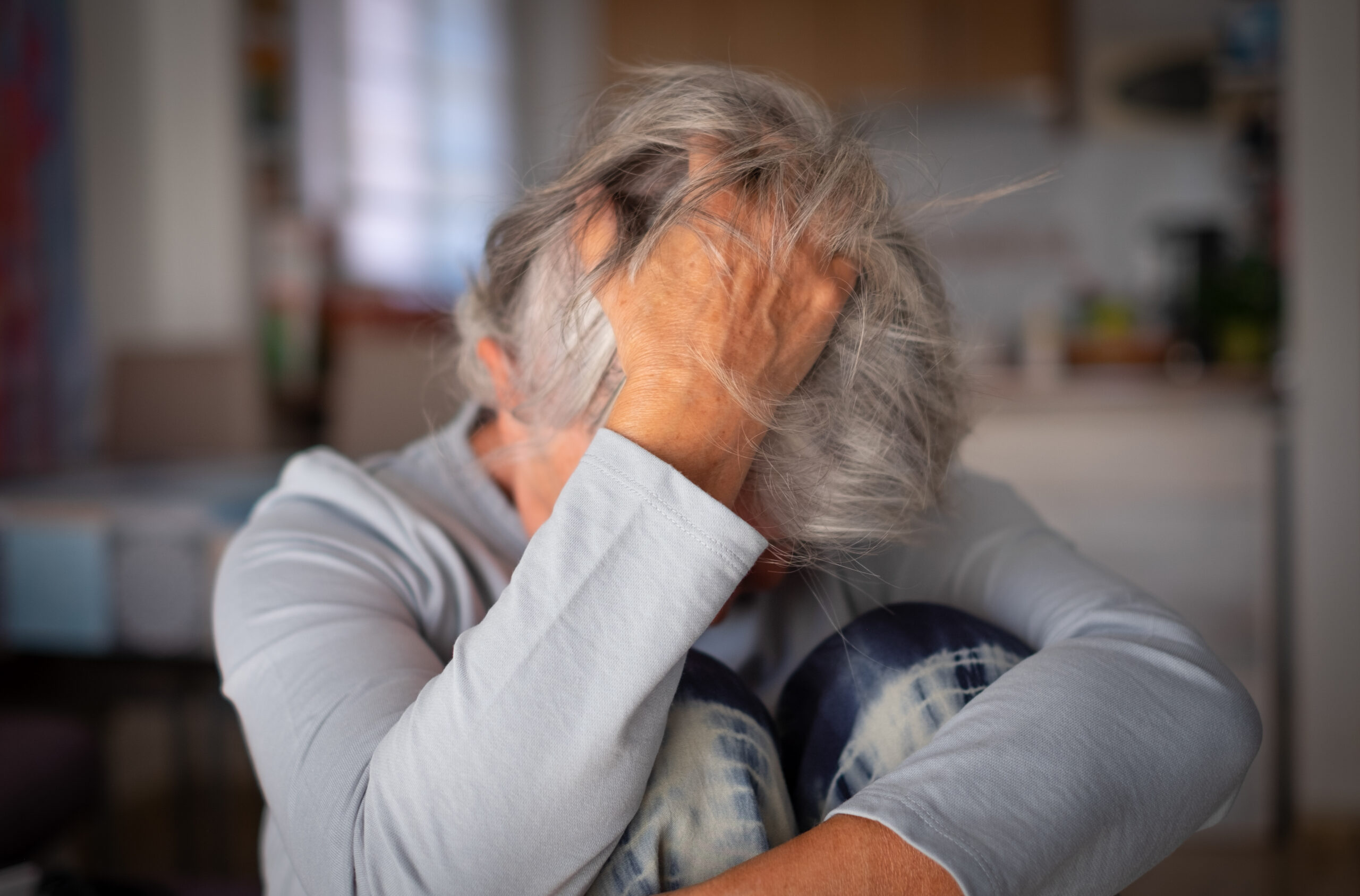
Panic often develops through a feedback loop between a physical sensation and a frightening interpretation. A person might notice a faster heartbeat and immediately think, “I am losing control,” which activates the body further.
The stronger sensations may then seem like confirmation that the original prediction was accurate. This cycle can escalate quickly because each new sensation creates more fear and each fearful thought creates more physical activation.
The panic cycle may look like this:
- A physical sensation appears: Someone notices a faster heartbeat, dizziness, warmth, tension, or a change in breathing.
- The sensation is interpreted as dangerous: The mind predicts that the person will faint, lose control, become trapped, or be unable to cope.
- Attention narrows: The person begins monitoring every heartbeat, breath, or physical change for evidence that panic is worsening.
- Fear activates the body further: Heart rate, breathing, muscle tension, and other sensations may become more intense.
- The stronger sensations confirm the fear: The person interprets the increased discomfort as proof that something terrible is happening.
- Escape feels necessary: Leaving, checking, or seeking reassurance may become the fastest available way to feel safe.
- Relief reinforces the cycle: Feeling better after escaping can teach the nervous system that avoidance prevented danger.
What Happens After a Panic Attack?
The period after a panic attack can involve exhaustion, embarrassment, confusion, or heightened awareness of bodily sensations. Someone may spend hours reviewing what happened and searching for a clear explanation.
Others immediately begin planning how to prevent another attack. That planning can appear practical while gradually turning into constant monitoring, reassurance-seeking, or avoidance.
Why Fear of Future Panic Can Become So Limiting
Anticipatory anxiety is the fear that another panic attack could happen before there is evidence that one is beginning. Someone may feel anxious not only about the attack but also about where it could occur, who might see it, and whether leaving would be possible.
This fear can influence travel, work, exercise, social plans, and everyday errands. The person’s world may gradually become smaller as more situations are categorized as difficult to escape or manage.
Common anticipatory thoughts include:
- “What if it happens while I am driving?”
- “What if I cannot leave the room?”
- “What if everyone notices?”
- “What if I cannot calm myself down?”
- “What if I am alone when it happens?”
- “What if the sensation does not stop?”
- “What if I embarrass myself?”
How Avoidance Can Maintain Panic-Related Fear
Avoidance is often the behavior that keeps the panic cycle going over time. When an attack feels unpredictable, someone may avoid the location where it happened or anything that creates similar physical sensations.
Avoidance can reduce distress temporarily, but that relief may reinforce the belief that the situation was unsafe. Gradually, the person may organize more of life around preventing panic instead of participating in relationships, responsibilities, and experiences that matter.
Common avoidance and safety behaviors include:
- Remaining close to an exit: Easy access to a way out may feel reassuring while reinforcing the belief that staying would be unsafe.
- Avoiding driving: Someone may stop driving alone, using busy roads, or traveling far from familiar places.
- Reducing physical activity: An increased heartbeat or heavier breathing during movement may feel too similar to panic.
- Checking physical sensations: Monitoring a pulse, breath, or level of dizziness can keep attention focused on possible danger.
- Carrying several “just in case” items: These objects may provide comfort while strengthening the belief that coping without them would be impossible.
- Depending on a safety person: Someone may feel unable to attend certain places unless a trusted person accompanies them.
- Leaving when anxiety rises: Escaping immediately may prevent the nervous system from learning that discomfort can decrease without leaving.
- Seeking repeated reassurance: Asking others to confirm that everything is okay may relieve fear briefly without building tolerance for uncertainty.
These behaviors are understandable efforts to feel safe rather than signs of weakness. Counseling can help someone examine whether a coping behavior provides lasting support or quietly allows panic-related fear to grow.
What Can You Do During a Panic Attack?
The goal during a panic attack does not have to be forcing every sensation to stop immediately. A more manageable goal may be recognizing the alarm response, reducing additional fear, and allowing the intensity to change at its own pace.
Different approaches work for different people, and no coping skill needs to be performed perfectly. Choose one simple response rather than turning the moment into a long checklist you must complete.
Helpful responses may include:
- Name the experience: Saying “This feels like panic” may reduce the pressure to solve every sensation separately.
- Describe sensations neutrally: “My heart is beating quickly” adds less fear than “I cannot handle what is happening.”
- Let breathing settle gradually: A comfortable exhale may feel more manageable than repeatedly forcing a deep breath.
- Reconnect with the environment: Notice nearby colors, sounds, objects, and textures when attention becomes trapped inside the body.
- Release one area of tension: Softening the jaw or lowering the shoulders may feel more realistic than demanding total relaxation.
- Reduce repeated checking: Constantly checking whether panic has ended can keep attention centered on danger.
- Allow discomfort without criticism: Panic is already difficult, and judging yourself for experiencing it can add another layer of distress.
- Notice what remains possible: You may still be able to sit, speak, walk, or stay connected with the present while feeling afraid.
What Should You Do After a Panic Attack?
After an attack, give yourself time to notice the entire experience rather than only its most frightening moment. Consider what sensations appeared, which thoughts intensified them, what you did next, and how the intensity eventually changed.
Try to avoid turning reflection into an investigation that demands complete certainty. A compassionate summary such as “That was frightening, and I stayed with myself until it changed” may be more helpful than repeatedly asking why it happened.
How Counseling Can Help With Panic Attacks

Counseling can help someone understand how physical sensations, frightening interpretations, body monitoring, and avoidance affect one another. A therapist can also help identify patterns that may be difficult to recognize during an intense episode.
The purpose is not to guarantee that someone will never feel panic again. Therapy can help reduce fear of the sensations and support choices that are less controlled by the possibility of another attack.
Counseling may focus on:
- Understanding the panic cycle: Learning how sensations and interpretations reinforce one another can make panic feel less mysterious.
- Identifying frightening predictions: A therapist can help someone examine beliefs about losing control, becoming trapped, or being unable to cope.
- Reducing body monitoring: Counseling may help redirect attention away from constantly checking the heartbeat, breath, or other sensations.
- Changing avoidance gradually: Someone can take manageable steps toward situations that fear has made difficult.
- Building tolerance for uncertainty: Therapy can help people move forward without complete assurance that panic will not occur.
- Responding to sensations differently: A person can practice recognizing bodily discomfort without immediately interpreting it as a crisis.
- Reducing safety behaviors: Counseling can help someone rely less on escape plans, repeated reassurance, or other habits that maintain fear.
- Returning to valued activities: The broader goal is participating more fully in work, relationships, travel, exercise, and daily responsibilities.
Understanding Panic Near Panther Creek
People living or working near Panther Creek in The Woodlands may balance commutes with demanding workdays, school activities, and family responsibilities. A panic attack during a meeting, drive, or crowded activity may lead someone to approach similar situations with increased caution.
Acceptance Path Counseling offers panic disorder therapy in The Woodlands for people whose fear of future attacks is beginning to shape everyday decisions. Counseling can help clients understand the cycle without reducing their experience to a checklist or expecting progress to follow the same timeline for everyone.
When Should You Consider Counseling?
Counseling may be worth considering when panic attacks recur, fear of another episode occupies significant time, or avoidance begins limiting daily life. Support may also be useful when someone constantly monitors their body or depends on reassurance to feel safe.
You do not need to wait until panic has affected every responsibility or relationship. Therapy can help you understand the pattern earlier and develop responses that make more room for meaningful choices.
Conclusion
Understanding panic attack vs panic disorder can help separate one frightening episode from an ongoing cycle of recurring attacks, anticipatory fear, and avoidance. The distinction is not about minimizing the distress of a single attack but recognizing what happens before and after it.
People near Panther Creek can explore these patterns through panic disorder therapy when fear begins narrowing everyday life. Counseling can help connect physical sensations, anxious thoughts, and behaviors while supporting a gradual return to valued activities.
FAQs
Is counseling available for panic attacks near Panther Creek?
Yes. Acceptance Path Counseling offers counseling for people near Panther Creek and throughout The Woodlands who experience panic attacks, fear of future attacks, or anxiety-related avoidance.
Can Panther Creek residents attend online counseling for panic disorder?
Online counseling may be available to Panther Creek residents when the therapist is licensed in Texas. Virtual sessions may offer greater flexibility for people balancing transportation, work, school, or family responsibilities.
How can a therapist near Panther Creek help with recurring panic attacks?
A therapist can help someone understand how physical sensations, frightening interpretations, avoidance, and reassurance-seeking reinforce panic. Counseling can also support gradual changes that help fear have less influence over everyday decisions.
Does one panic attack mean I have panic disorder?
No. A person may experience an isolated or occasional panic attack without developing the recurring attacks, persistent concern, or behavioral changes associated with panic disorder.
Can panic disorder improve with counseling?
Counseling can help people understand the panic cycle, respond differently to physical sensations, and reduce avoidance over time. Progress varies, so therapy should reflect the individual’s experiences, needs, and goals.