
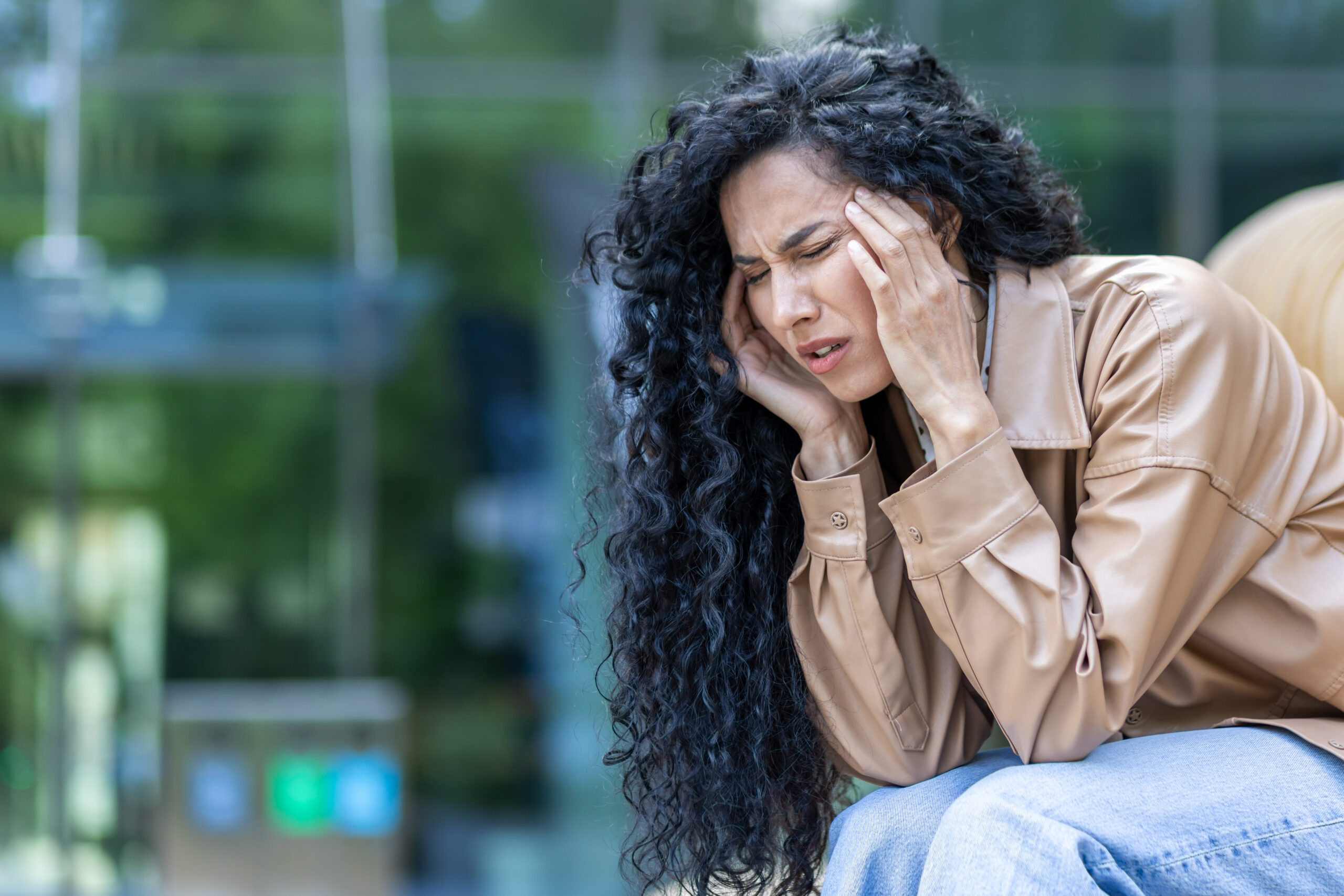
What Are the Physical Symptoms of Anxiety?
Anxiety symptoms are often associated with fearful thoughts, but anxiety can also produce noticeable changes throughout the body. Some people recognize tension, nausea, breathlessness, or a pounding heartbeat before they realize they are emotionally overwhelmed.
The exact pattern differs from person to person and may change depending on the situation. Because similar sensations can have different explanations, a symptom list cannot determine the cause of a new or unfamiliar experience.
Common Physical Symptoms of Anxiety include:
- A fast or pounding heartbeat: Anxiety can increase your heart rate, making your heartbeat feel stronger or more noticeable than usual.
- Chest tightness and breathing changes: Tension and faster breathing may create tightness in the chest or the feeling that you cannot take a satisfying breath.
- Dizziness or lightheadedness: The connection between anxiety and dizziness may involve changes in breathing, muscle tension, and heightened attention to bodily sensations.
- Sweating, trembling, or tingling: The body’s stress response can cause increased warmth, shaky hands, perspiration, or unusual tingling sensations.
- Muscle tension and headaches: Anxiety may cause you to tighten your jaw, shoulders, neck, or other muscles without realizing it, sometimes contributing to headaches.
- Stomach and digestive discomfort: Stress can affect appetite and digestion, leading to nausea, stomach discomfort, or changes in eating patterns.
- Restlessness and feeling on edge: Your body may remain prepared for action, making it difficult to sit still, relax, or feel physically settled.
- Sleep difficulties and fatigue: Worry and physical tension can interfere with sleep, leaving you tired even when you have spent enough time in bed.
Why Does Anxiety Affect the Body?
Anxiety activates the fight, flight, or freeze response, which prepares the body to react to a possible threat. This protective response can be triggered by physical danger, but it can also respond to uncertainty, conflict, painful memories, work pressure, or frightening predictions.
The body may increase heart rate, change breathing, redirect attention, and tighten muscles so a person can respond quickly. Understanding what causes anxiety symptoms can make these reactions feel less mysterious, especially when the nervous system remains alert during ordinary situations.
Can Physical Symptoms Appear Without Obvious Worry?

Physical anxiety can appear before someone consciously notices a worried thought. A headache, tight jaw, unsettled stomach, restless energy, or sudden exhaustion may be the first sign that the person has been carrying more stress than they realized.
Some people have functioned under pressure for so long that constant tension feels normal. They may think, “I am not anxious—I am just always tired and tense,” without recognizing how rarely their body feels settled.
How Anxiety Can Affect Different Parts of the Body
Anxiety does not affect everyone in exactly the same way, and symptoms may shift from one situation to another. Understanding what the body is trying to do can make these reactions feel less confusing or shameful.
A person may experience several sensations at once or notice one recurring symptom during stressful periods. The intensity of a sensation does not always reveal how serious the situation is, which is why anxious interpretations can become part of the cycle.
1. Heartbeat and Chest Sensations
The heart may beat faster as the body prepares for action. Someone might experience pounding, fluttering, or an increased awareness of every heartbeat.
Focusing closely on these sensations can make them seem louder and more threatening. The person may repeatedly check their pulse, brace against the feeling, or avoid situations where their heart rate could increase.
2. Breathing Changes
Anxiety can make breathing faster, shallower, or more effortful. These changes may leave someone feeling breathless, lightheaded, or unable to take a satisfying breath.
Trying to force a perfect deep breath can sometimes add pressure to an already stressful moment. Allowing the breath to settle gradually may feel more manageable than demanding immediate calm.
3. Muscle Tension and Headaches
Anxiety and muscle tension often occur together because the body tightens its muscles as part of its protective response. When that tension continues, it may contribute to headaches, jaw discomfort, tight shoulders, or a general feeling of stiffness.
Some people do not notice the tension until they pause at the end of the day. They may then realize they have been clenching their jaw, lifting their shoulders, or bracing their stomach for hours.
4. Stomach and Digestive Discomfort
The digestive system can be sensitive to stress and changes in nervous-system activity. Anxiety may be accompanied by nausea, stomachaches, appetite changes, digestive discomfort, or a sudden urge to use the restroom.
These sensations can create anxiety about leaving home, eating around others, or being far from a familiar place. Avoiding those situations may bring temporary relief while making future outings feel even more difficult.
5. Dizziness and Feeling Disconnected
Changes in breathing, muscle tension, and focused attention may contribute to dizziness or lightheadedness. Some people also describe feeling detached from themselves or as though their surroundings have become distant.
These experiences can feel frightening, especially when someone does not understand why they are happening. Fear of losing control can then intensify the original sensation and keep attention fixed on it.
6. Fatigue and Sleep Difficulties
An anxious nervous system uses considerable physical and emotional energy. Ongoing worry, muscle tension, interrupted sleep, and constant alertness can leave someone exhausted even after resting.
Fatigue may then make concentration and emotional regulation more difficult. This can create a frustrating cycle in which tiredness increases anxiety and anxiety makes restorative sleep harder.
How Fear of Physical Symptoms Maintains Anxiety

A physical sensation can become the beginning of a self-reinforcing anxiety cycle. The body reacts, the mind interprets the sensation as dangerous, and that interpretation causes the body to become even more activated.
The person may then monitor the sensation, seek reassurance, leave the situation, or avoid similar experiences. These responses are understandable attempts to feel safe, but the temporary relief can unintentionally strengthen the fear.
The cycle may look like this:
- A physical sensation appears: Someone may notice a faster heartbeat, dizziness, tightness, or another unexpected change in their body.
- The mind predicts that something is wrong: Instead of viewing the sensation as temporary discomfort, the person may interpret it as a sign that they are unsafe or losing control.
- Attention narrows around the sensation: The person may begin monitoring every heartbeat, breath, or physical change, making the sensation feel more noticeable.
- Anxiety increases: The frightening interpretation activates the body’s protective response, adding more tension and physical discomfort.
- The sensation becomes stronger: As anxiety rises, the original symptom may intensify or be joined by other sensations.
- The person tries to regain safety: They may check their body, ask for reassurance, leave the situation, or avoid similar experiences in the future.
- Temporary relief reinforces the fear: Feeling better after escaping can teach the nervous system that avoidance prevented danger, making the same situation feel more threatening next time.
Are Physical Anxiety Symptoms the Same as a Panic Attack?
Physical anxiety symptoms may develop gradually and remain in the background for hours or days. A panic attack usually involves a more sudden surge of intense fear or discomfort accompanied by strong bodily sensations.
Experiencing a panic attack does not automatically mean someone has panic disorder. Panic disorder involves recurring attacks along with persistent fear or behavioral changes connected to the possibility of another attack.
Why Avoidance Can Make Physical Anxiety Stronger
Avoidance is an understandable response when a physical sensation feels frightening. Someone may stop exercising, driving, attending crowded events, speaking publicly, or visiting places where leaving quickly might be difficult.
Avoidance often reduces distress temporarily, but that relief can reinforce the belief that the situation was unsafe. Over time, someone may begin organizing more of life around preventing anxiety instead of pursuing relationships, responsibilities, and experiences that matter.
Common avoidance and safety behaviors include:
- Sitting close to an exit: Being near a way out may feel reassuring, but it can reinforce the belief that remaining in the situation would be unsafe.
- Repeatedly checking your pulse: Monitoring your heartbeat may provide brief reassurance while keeping your attention fixed on physical danger.
- Watching every breath: Trying to control each breath can make normal changes in breathing feel more noticeable and concerning.
- Seeking repeated reassurance: Asking someone else to confirm that everything is okay may provide relief without helping you build confidence in handling uncertainty.
- Leaving when discomfort begins: Leaving immediately can teach the nervous system that the sensation was dangerous and escape was necessary.
- Avoiding activities that increase heart rate: Someone may stop exercising or moving quickly because those normal sensations resemble anxiety.
- Carrying several “just in case” items: These objects may offer comfort while reinforcing the belief that coping would be impossible without them.
- Refusing previously difficult situations: Avoiding places connected with earlier anxiety can gradually make a person’s routine smaller.
These behaviors are not signs of weakness or failure. They are attempts to feel safe, but counseling can help someone determine whether those attempts are providing lasting support or quietly maintaining fear.
Practical Ways to Respond to Physical Anxiety

The goal of a coping strategy is not always to make anxiety disappear immediately. A more realistic goal may be showing the nervous system, “I can notice this sensation without automatically treating it as an emergency.”
Different strategies work for different people, so coping should not become another performance to complete perfectly. Choose one manageable practice and notice whether it helps you remain present rather than demanding instant relief.
Helpful strategies include:
- Describe the sensation neutrally: Saying “My shoulders are tense” separates the physical experience from a prediction such as “I cannot handle this.”
- Notice anxious predictions: A frightening thought can feel convincing without being an accurate description of what will happen.
- Allow the breath to settle: A comfortable, slightly longer exhale may feel more manageable than forcing yourself to take a perfect deep breath.
- Reconnect with your surroundings: Noticing nearby colors, sounds, and textures can broaden attention when anxiety has pulled it inward.
- Release one area of tension: Softening the jaw or lowering the shoulders may feel more realistic than trying to relax the entire body immediately.
- Delay one reassurance check: Waiting briefly before checking a sensation can help reduce the habit of treating every bodily change as urgent.
- Notice what you still accomplished: Remembering that you completed a conversation or remained in a situation helps the mind record coping as well as discomfort.
- Respond with patience: Physical anxiety is an attempt to protect you, so criticism often adds distress rather than creating calm.
When Should You Consider Counseling for Anxiety?
Counseling may be helpful when physical anxiety regularly affects sleep, concentration, relationships, work, school, or everyday routines. Another sign is avoiding meaningful activities mainly because they might create uncomfortable sensations.
You do not need to wait until anxiety restricts every part of your life. Therapy can help you recognize the pattern earlier and practice responding in ways that are less controlled by fear.
How Counseling Can Help With Physical Anxiety
Counseling can help people understand how physical sensations, anxious interpretations, avoidance, and reassurance-seeking affect one another. A therapist can also help someone recognize patterns that may be difficult to notice while anxiety is happening.
The purpose is not to promise that uncomfortable sensations will never return. Therapy can help someone develop a more flexible response so anxiety has less influence over everyday decisions.
Counseling may focus on:
- Understanding personal triggers: A therapist can help someone notice the situations, thoughts, memories, or pressures that tend to activate physical anxiety.
- Recognizing the anxiety cycle: Understanding how sensations, interpretations, and behaviors reinforce one another can make the pattern feel less confusing.
- Examining frightening predictions: Counseling can help someone question the belief that every uncomfortable sensation signals danger or loss of control.
- Reducing body monitoring: A person can practice shifting attention away from repeatedly checking their heartbeat, breathing, tension, or other sensations.
- Changing avoidance gradually: Therapy can support manageable steps toward situations that anxiety has made difficult or intimidating.
- Building tolerance for uncertainty: Someone can learn to move forward without needing complete reassurance that discomfort will not occur.
- Practicing grounding skills: Counseling can help a person find strategies that feel natural rather than forcing techniques that increase pressure.
- Developing self-compassion: A therapist can help replace shame and self-criticism with a more patient understanding of the body’s protective response.
- Returning to valued activities: The broader goal is to help someone participate more fully in relationships, responsibilities, and experiences that matter.
Understanding Physical Anxiety Near Grogan’s Mill
People living or working near Grogan’s Mill in The Woodlands may balance commutes with demanding workdays, school activities, and family responsibilities. Someone can appear productive and composed while privately dealing with muscle tension, digestive discomfort, disrupted sleep, or a persistent sense of being on edge.
Acceptance Path Counseling offers anxiety therapy in The Woodlands for people who want to understand how physical sensations, anxious thoughts, and avoidance may reinforce one another. Counseling considers each person’s experience rather than reducing anxiety to a symptom checklist or expecting progress to look the same for everyone.
Conclusion
The physical symptoms of anxiety can feel confusing because they are immediate, uncomfortable, and sometimes disconnected from conscious worry. Understanding how bodily sensations, anxious interpretations, and avoidance affect one another can make the experience feel less mysterious.
People near Grogan’s Mill do not need to wait until anxiety has narrowed every part of daily life before considering counseling. Anxiety therapy can help people explore these patterns and practice responses that are less controlled by fear.
FAQs
Is counseling available for physical anxiety symptoms near Grogan’s Mill?
Yes. Acceptance Path Counseling offers anxiety counseling for people near Grogan’s Mill and throughout The Woodlands who are experiencing physical tension, persistent worry, avoidance, or fear of anxious sensations.
Can Grogan’s Mill residents attend online counseling for anxiety?
Online counseling may be available to Grogan’s Mill residents when the therapist is licensed in Texas. Virtual sessions can make counseling more accessible for people balancing work, school, transportation, or family responsibilities.
How can a therapist near Grogan’s Mill help with physical anxiety?
A therapist can help someone understand how physical sensations, fearful interpretations, avoidance, and reassurance-seeking affect one another. Counseling can also introduce practical ways to respond without demanding that every uncomfortable sensation disappear.
What are common physical symptoms of anxiety?
Common symptoms include a racing heartbeat, shallow breathing, sweating, trembling, dizziness, stomach discomfort, muscle tension, headaches, restlessness, and fatigue. The pattern and intensity can vary considerably between people.
How do I know when to seek therapy for anxiety?
Consider counseling when anxiety regularly disrupts sleep, concentration, relationships, responsibilities, or activities you value. Therapy may also help when fear of physical sensations leads to repeated avoidance or reassurance-seeking.