
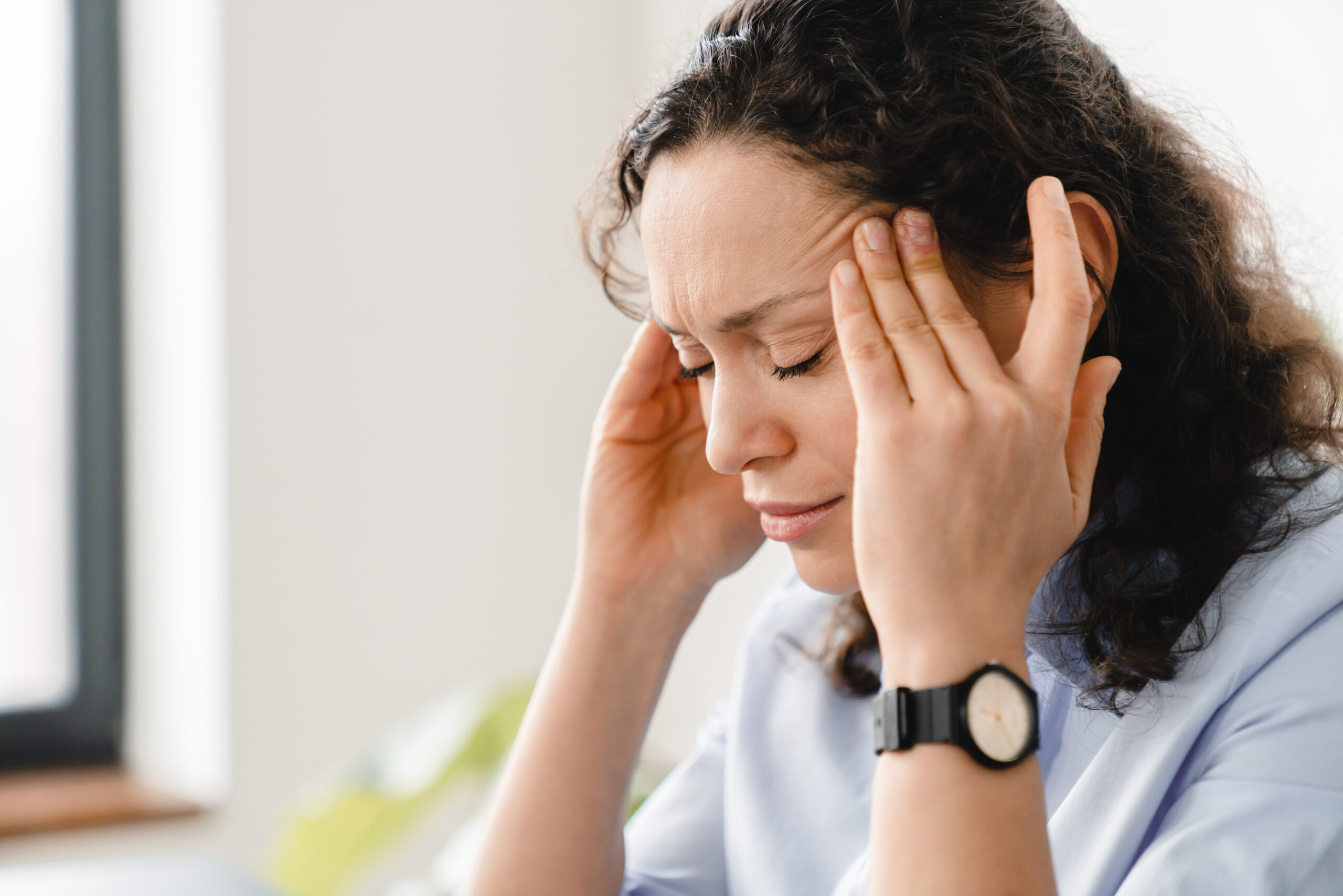
How Anxiety Can Affect the Body

Anxiety does not just live in the mind. It can also affect the body in ways that feel confusing, uncomfortable, or even frightening. During moments of stress, the body may shift into a heightened alert state, preparing to respond to perceived danger even when there is no immediate physical threat.
That stress response can affect breathing, muscle tension, heart rate, concentration, and the way a person notices body sensations. For some people, this can contribute to dizziness or feeling off balance.
Anxiety may affect the body through:
- Changes in Breathing Patterns: When someone is anxious, breathing may become shallow, rapid, or uneven. This can contribute to lightheadedness or a floating sensation.
- Increased Muscle Tension: Anxiety can cause muscles in the neck, shoulders, jaw, and body to tighten. Tension may contribute to discomfort, headaches, or a sense of physical unease.
- Heightened Awareness of Physical Sensations: Anxiety can make normal body sensations feel stronger or more threatening. A small sensation may become harder to ignore once the mind starts monitoring it closely.
- Physical Stress Responses: Stress can affect energy, digestion, sleep, concentration, and overall physical comfort. When the body stays on alert for too long, symptoms may feel harder to manage.
Recognizing that anxiety affects both mind and body can help make dizziness feel less mysterious. It does not mean the sensation is “fake.” It means emotional stress can create real physical experiences.
Why Some Individuals Experience Dizziness During Anxiety

Many people wonder if anxiety alone can cause dizziness. For some individuals, anxiety can contribute to lightheadedness, feeling unsteady, or feeling disconnected from the body. These sensations can be especially upsetting when they happen suddenly or when a person begins worrying about what they mean.
Anxiety-related dizziness may happen because of:
- Rapid or Shallow Breathing: Changes in breathing can affect how the body feels and may lead to lightheadedness.
- Stress Hormone Activation: When the body is under stress, it may create sensations such as shakiness, tension, nausea, or dizziness.
- Feeling Overwhelmed: Emotional overload can make the body feel less steady or grounded.
- Increased Body Scanning: When someone becomes very focused on physical symptoms, dizziness may feel stronger or more persistent.
- Anxiety Cycles: Worrying about dizziness can increase anxiety, which may then intensify the physical sensation.
This cycle can feel frustrating: dizziness creates worry, worry increases anxiety, and anxiety makes the dizziness feel more noticeable. Understanding that pattern can be a helpful starting point for reducing fear around the symptom.
Signs Anxiety May Be Contributing to Dizziness
Because dizziness can have many causes, it is helpful to notice patterns. Anxiety may be playing a role when dizziness appears alongside emotional stress, worry, panic sensations, or increased body awareness.
Signs anxiety may be contributing include:
- Dizziness During Stressful Moments: Symptoms may appear during conflict, work pressure, social stress, driving anxiety, panic, or emotionally charged situations.
- Other Anxiety Symptoms Are Present: Dizziness may happen alongside racing thoughts, chest tightness, shallow breathing, muscle tension, nausea, sweating, or nervousness.
- Symptoms Come and Go With Stress Levels: The sensation may feel stronger during anxious periods and calmer when stress decreases.
- Fear of the Symptom Makes It Worse: Worrying about dizziness may increase body scanning and make the sensation feel more intense.
- You Feel On Edge or Overwhelmed: Persistent emotional stress can make physical symptoms more noticeable and harder to dismiss.
Recognizing these patterns can be useful, but it does not replace medical care. If dizziness is new, severe, frequent, worsening, or connected to fainting, chest pain, neurological symptoms, injury, or other concerning changes, it is important to speak with a healthcare provider.
When to Rule Out Other Causes of Dizziness
Although anxiety can contribute to dizziness, it is not the only possible cause. Dizziness may also be connected to physical health factors, and it is reasonable to want clarity before assuming anxiety is the main explanation.
Other possible contributors may include:
- Inner Ear or Balance Issues: Vestibular conditions can affect balance and cause spinning, unsteadiness, or motion sensitivity.
- Dehydration or Low Blood Sugar: Not eating enough, dehydration, or sudden changes in energy can contribute to lightheadedness.
- Medication Side Effects: Some medications may cause dizziness or changes in balance.
- Blood Pressure Changes: Drops or fluctuations in blood pressure can sometimes cause faintness or lightheadedness.
- Medical Conditions: Dizziness may be related to other health concerns that require medical evaluation.
A helpful approach is not “either anxiety or medical.” Sometimes both can be involved. A medical provider can help rule out physical causes, while counseling can help address the anxiety patterns that may be intensifying or maintaining the symptom.
How Counseling Can Help With Anxiety-Related Physical Symptoms

When anxiety begins affecting both emotional and physical well-being, managing it alone can feel overwhelming. Counseling offers a supportive space to explore what is happening, understand anxiety patterns, and build tools for responding to symptoms with more confidence.
Counseling may help by:
- Building Emotional Awareness: Therapy can help individuals identify stressors, triggers, and emotional patterns that may contribute to anxiety symptoms.
- Developing Coping Strategies: Counseling can provide practical tools for calming the body, regulating emotions, and responding to anxious thoughts.
- Reducing Fear Around Body Sensations: Many people become afraid of physical anxiety symptoms. Therapy can help individuals understand these sensations and respond with less panic.
- Improving Confidence and Resilience: Counseling can help individuals feel more capable of navigating stress, uncertainty, and uncomfortable sensations.
- Supporting Long-Term Emotional Wellness: Therapy focuses on sustainable growth rather than only short-term relief.
Counseling is not about pretending dizziness is not uncomfortable. It is about learning how anxiety may be interacting with the body and developing healthier ways to respond when symptoms appear.
Practical Coping Strategies for Anxiety-Related Dizziness
When dizziness appears during anxiety, it can help to respond in a calm, steady way rather than immediately fighting the sensation. These strategies are not a substitute for medical care, but they may support emotional regulation when anxiety is part of the pattern.
Helpful coping strategies may include:
- Slow the Breathing: Gently slowing the breath may help reduce lightheadedness linked to rapid or shallow breathing.
- Ground Through the Senses: Naming what you can see, hear, feel, smell, or touch can help bring attention back to the present moment.
- Relax the Body: Softening the shoulders, jaw, and hands can help reduce tension connected to anxiety.
- Reduce Symptom Checking: Constantly monitoring dizziness may make it feel stronger. Therapy can help individuals practice noticing symptoms without becoming consumed by them.
- Use Supportive Self-Talk: Reminders such as “This feeling is uncomfortable, but I can slow down and respond to it” may help reduce panic.
- Track Patterns: Noticing when dizziness appears can help identify whether stress, sleep, caffeine, meals, hydration, or emotional triggers may be involved.
The goal is not to force dizziness away immediately. The goal is to help the nervous system feel safer and reduce the fear cycle that can make symptoms worse.
Finding Anxiety Counseling Support in Katy

Anxiety can affect daily life in ways that are both emotional and physical. For individuals and families throughout Katy, seeking support can be a proactive step toward feeling more grounded, informed, and confident.
Counseling support may include:
- Compassionate Counseling Support: Therapy provides a safe environment to discuss anxiety symptoms and concerns openly.
- Personalized Care: Counseling can be tailored to each person’s experiences, symptoms, and goals.
- Practical Strategies for Daily Life: Individuals can learn tools to manage anxiety in everyday situations.
- Professional Guidance: Therapists can help individuals better understand anxiety, body sensations, and coping patterns.
At Acceptance Path Counseling, we provide compassionate support for individuals and families throughout Katy who are seeking healthier ways to manage anxiety and improve emotional well-being. Whether dizziness feels connected to stress, panic, or ongoing worry, counseling can help individuals better understand the anxiety cycle and build practical tools for moving forward.
Final Thoughts on Anxiety and Dizziness
Dizziness can feel unsettling, especially when it appears unexpectedly or leads to fears about what might be wrong. Anxiety can sometimes contribute to dizziness, lightheadedness, or feeling unsteady, but it is also important to consider other possible causes when symptoms are new, severe, or persistent.
For individuals in Katy, counseling can help when anxiety is part of the pattern. With support, individuals can learn to understand their symptoms, reduce fear around body sensations, and develop healthier ways to manage stress.
FAQs
Can anxiety cause dizziness?
Yes. Anxiety can sometimes lead to physical symptoms such as dizziness, lightheadedness, or feeling unsteady. Stress, rapid breathing, muscle tension, and heightened awareness of body sensations may all contribute to the experience.
How do I know if my dizziness is anxiety related?
Dizziness may be anxiety-related if it appears during periods of stress, worry, panic, or emotional overwhelm. It may also occur alongside symptoms such as shallow breathing, racing thoughts, muscle tension, or fear of physical sensations. However, medical evaluation is important if dizziness is new, severe, frequent, or worsening.
What does anxiety-related dizziness feel like?
People often describe anxiety-related dizziness as lightheadedness, feeling off balance, floating, unsteady, or disconnected from the body. Symptoms vary depending on the individual and the intensity of anxiety.
When should someone in Katy seek counseling for anxiety-related dizziness?
Someone in Katy may benefit from counseling when dizziness appears connected to stress, worry, panic, or fear of body sensations. Therapy can help individuals understand anxiety patterns, build coping skills, and feel more confident responding to physical symptoms.
Can individuals in Katy benefit from counseling for anxiety symptoms?
Yes. Counseling may help individuals in Katy improve emotional awareness, strengthen coping skills, and develop healthier responses to stress and physical anxiety symptoms. Acceptance Path Counseling offers supportive services for individuals and families throughout Katy.