

What Bipolar Disorder Actually Is (In Real Life Terms)
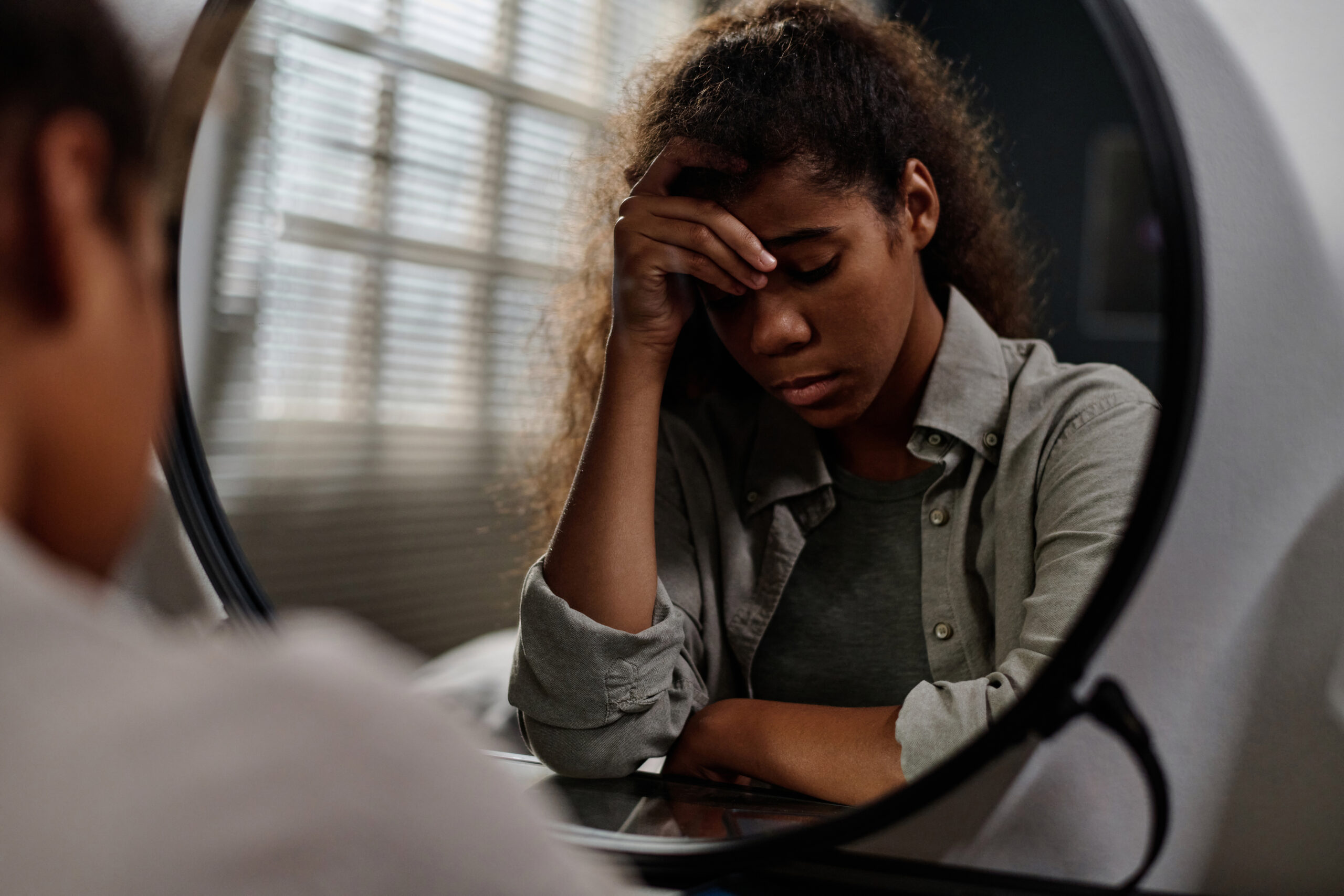
Bipolar disorder is often described in clinical terms, but in real life, it is usually experienced as shifts in emotional energy that affect how someone thinks, feels, and functions.
For some people, it may feel like:
- periods where everything feels fast, intense, or highly energized
- followed by periods where even simple tasks feel heavy or overwhelming
These shifts are not just mood changes — they can affect sleep, motivation, communication, and decision-making.
In everyday life, especially in communities like Katy, TX, people often notice these changes through:
- inconsistent energy levels
- changes in communication or social engagement
- difficulty maintaining routines
- emotional ups and downs that feel unpredictable
Many individuals do not recognize the pattern until it begins affecting relationships or responsibilities.
What Bipolar Disorder Symptoms Can Look Like

Bipolar disorder symptoms can vary widely between individuals, but they often involve changes in:
- mood
- energy
- thought patterns
- behavior
These symptoms may appear as two contrasting emotional states.
During high-energy phases, a person may feel more active, motivated, or emotionally intense than usual. During low-energy phases, they may feel withdrawn, tired, or emotionally disconnected.
What makes bipolar disorder difficult to recognize early is that these experiences may not always happen in a predictable pattern.
Some people may experience long periods of stability between episodes, while others may notice more frequent shifts.
How Bipolar Disorder Affects Daily Life
Bipolar disorder can affect everyday functioning in subtle and significant ways.
People may notice changes in:
- productivity at work or school
- ability to follow routines
- sleep patterns
- motivation and focus
- emotional responses to stress
On some days, tasks may feel easy and manageable. On other days, even basic responsibilities may feel overwhelming.
This inconsistency can sometimes lead to frustration, self-doubt, or confusion about what is happening internally.
Over time, these patterns can affect confidence and emotional stability if not understood.
Bipolar Relationships: Emotional Impact on Connection
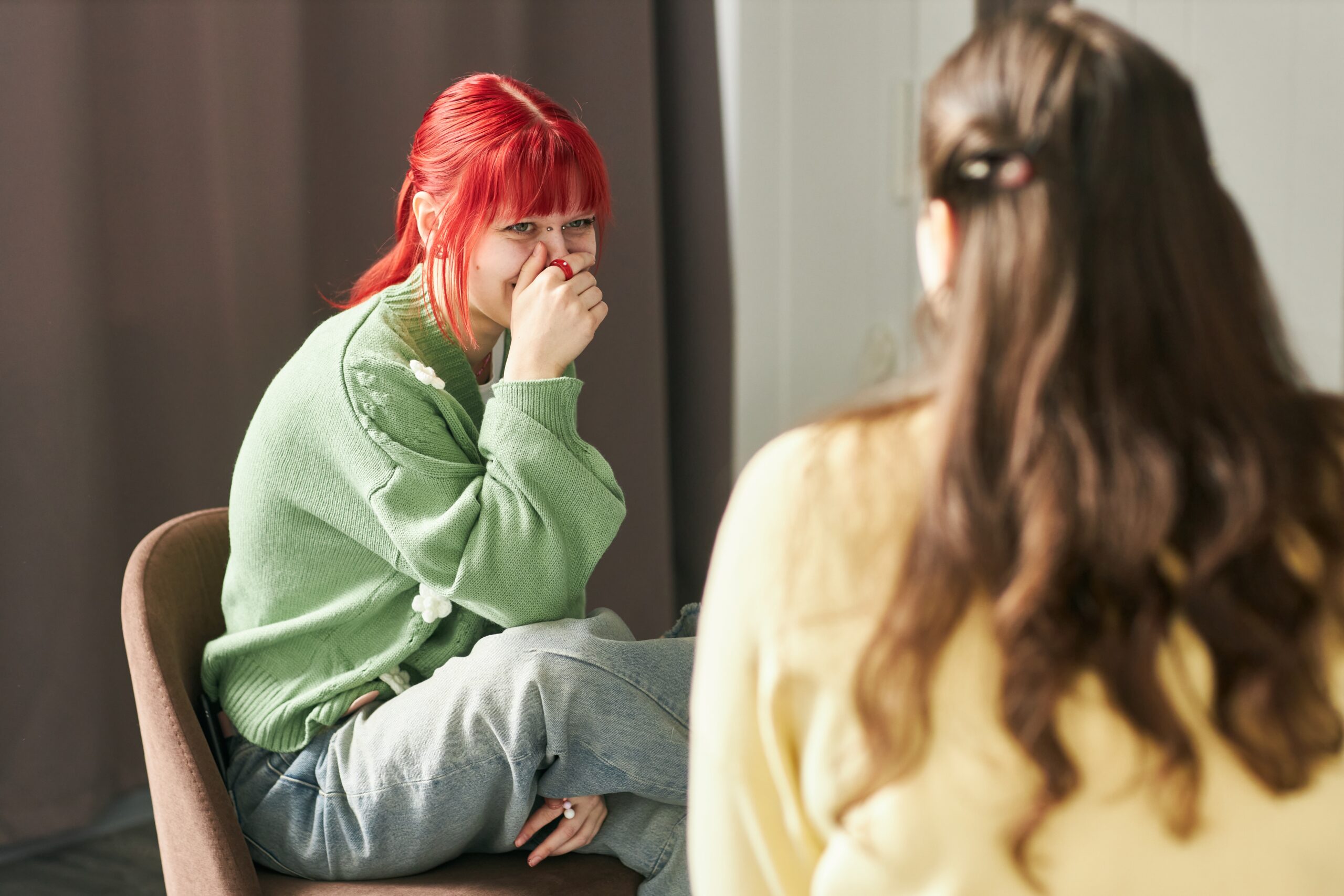
Bipolar disorder can also influence relationships in meaningful ways.
During different emotional phases, communication and connection may shift.
At times, individuals may feel:
- very open and emotionally expressive
- highly connected to others
- more socially engaged
At other times, they may feel:
- withdrawn or disconnected
- emotionally distant
- less responsive in communication
This can create confusion in relationships, especially when partners or family members do not understand the underlying emotional patterns.
What Does Having Bipolar Feel Like?
Many people describe bipolar disorder as emotional “waves” that can feel difficult to predict or control.
It may feel like:
- your energy level doesn’t match your environment
- your thoughts move faster or slower than usual
- your emotional responses feel stronger than expected
- you feel “different versions” of yourself over time
Importantly, these experiences are not a reflection of identity — they are patterns that can be understood and managed with support.
Bipolar Disorder Treatment and Support

There is no single approach that works for everyone, but support often includes:
- counseling / therapy
- emotional regulation strategies
- identifying triggers and patterns
- developing healthy routines
- improving communication in relationships
Therapy does not require a diagnosis to be helpful.
Many individuals begin counseling simply because they feel:
- emotionally overwhelmed
- inconsistent in mood or energy
- confused about their reactions
- affected in relationships or daily life
In places like Katy and surrounding communities, counseling for bipolar disorder can provide structure, clarity, and support for understanding these patterns.
Why Bipolar Disorder Is Often Misunderstood
One of the biggest challenges is that bipolar disorder can resemble other experiences such as:
- stress
- anxiety
- burnout
- personality differences
- emotional sensitivity
Because of this, many individuals may not realize there is a deeper pattern behind what they are experiencing.
This can delay seeking support — even when symptoms are already affecting life significantly.
Finding Support in Katy and Nearby Areas
If these patterns feel familiar, support may help bring clarity and stability.
At Acceptance Path Counseling, individuals and families in Katy and surrounding communities can explore emotional patterns in a supportive environment and work toward better understanding, communication, and balance.
Final Thoughts on Bipolar Disorder
Bipolar disorder affects more than mood — it influences energy, relationships, thinking patterns, and daily functioning.
While it can feel confusing or overwhelming, understanding these patterns is often the first step toward stability.
With the right support, individuals can learn how to recognize emotional cycles earlier, respond more effectively, and improve overall quality of life.
FAQs
Can bipolar disorder affect relationships in Katy?
Yes. Bipolar disorder can impact communication, emotional connection, and consistency in relationships, which may lead to misunderstandings without proper support.
What does bipolar disorder feel like for people in Katy, TX?
Many people describe it as emotional cycles of high energy and low energy that affect thinking, behavior, and daily functioning in everyday life and relationships.
Can therapy help people with bipolar disorder in Katy?
Yes. Therapy can help individuals understand emotional patterns, build coping strategies, and improve stability in daily life and relationships.
What are the early signs of bipolar disorder?
Early signs may include changes in mood, energy, sleep, and behavior that feel inconsistent or different from a person’s usual baseline.
Can bipolar disorder be mistaken for stress or anxiety?
Yes. It is often misinterpreted as stress, anxiety, or burnout, especially in the early stages.