

Why PTSD Triggers Can Feel So Unexpected

PTSD triggers can seem confusing because they often appear without warning. A familiar sound, smell, place, or conversation may suddenly cause your heart to race, your muscles to tense, or an intense feeling of fear—even when you know you’re safe.
These reactions aren’t a sign of weakness or a lack of progress. They’re your brain’s learned survival response, trying to protect you based on past experiences rather than what’s happening in the present. Understanding that difference can be the first step toward replacing self-blame with self-understanding.
Understanding Why Your Brain Reacts This Way
After a traumatic experience, the brain doesn’t simply store a memory—it also remembers information that may help prevent something similar from happening again.
That includes details you may not even realize you’ve remembered, such as:
- A particular sound
- A specific smell
- A certain location
- A type of conversation
- A physical sensation
- Even the time of year
When your brain notices something that resembles those memories, it can respond automatically before you’ve had time to decide whether you’re actually in danger.
From your brain’s perspective, reacting quickly feels safer than taking the risk of reacting too slowly.
This is why many people describe PTSD by saying:
- “I knew I was safe, but my body didn’t believe it.”
- “It happened so fast that I didn’t even understand why I reacted.”
- “I wasn’t thinking about the trauma until something reminded me.”
These reactions aren’t intentional. They’re part of your nervous system’s attempt to protect you using information it learned during a frightening experience.
Although that response may no longer be helpful today, recognizing why it happens can make the experience feel less confusing and less isolating.
PTSD Triggers Aren’t the Same for Everyone
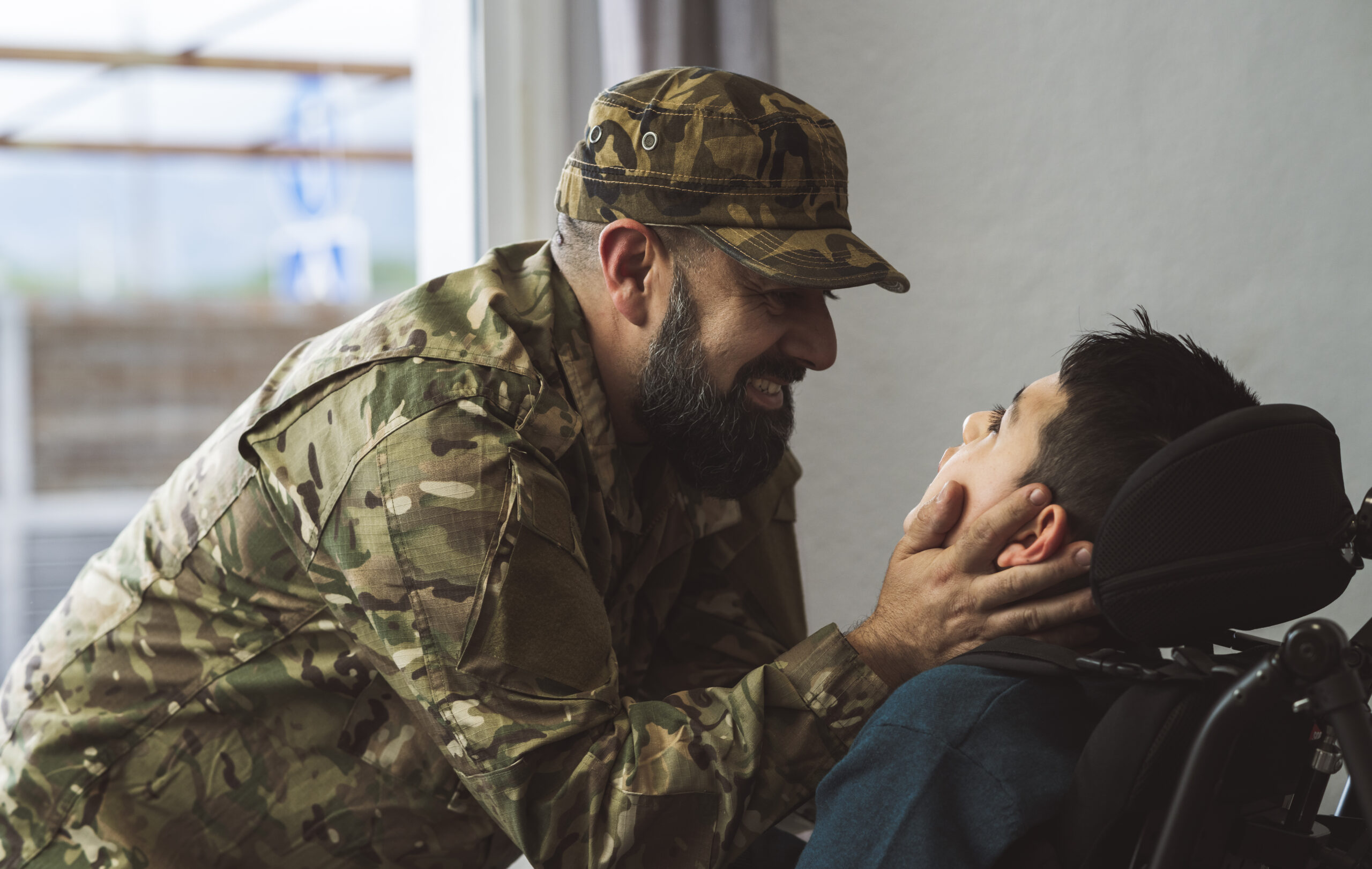
One of the biggest misconceptions about PTSD is that everyone experiences the same triggers. In reality, trauma affects each person differently, so the reminders that activate one person’s nervous system may have little effect on someone else.
Some triggers are obvious, while others take time to recognize because they don’t seem connected to the original event. Common PTSD triggers include:
- Sudden sounds: Fireworks, sirens, slamming doors, raised voices, or other unexpected noises that remind your brain of a past experience.
- Certain smells: Smoke, gasoline, perfume, cleaning products, or even particular foods can bring back emotional or physical reactions without warning.
- Specific places: Returning to a familiar location—or somewhere with a similar environment—may cause your body to become tense before you consciously realize why.
- People or conversations: Certain topics, words, or interactions may remind you of difficult experiences and trigger feelings of fear, anxiety, or distress.
- Dates and anniversaries: Some people notice stronger emotions around particular times of the year, even if they aren’t actively thinking about the traumatic event.
- Physical sensations: A racing heart, muscle tension, difficulty breathing, or feeling trapped can sometimes become triggers because those sensations were present during the original trauma.
Rather than comparing your reactions to someone else’s, try to become curious about your own patterns. Recognizing what affects you is often the first step toward responding with greater awareness and feeling more in control over time.
It’s Not Just a Memory—It’s a Survival Response
One reason PTSD triggers can feel so powerful is that they involve more than remembering something difficult.
When a trigger appears, your brain may react as though the danger is happening in the present instead of recognizing it as something that belongs in the past. That’s why emotional and physical responses can happen almost instantly, often before you’ve had time to think through what’s happening.
Recovery doesn’t mean your brain will never notice reminders again. Instead, healing often involves teaching your nervous system that today’s situation is different from the one it learned to fear.
That process takes time, but with understanding, patience, and the right support, many people find that triggers gradually become less overwhelming and easier to manage.
How to Recognize When a PTSD Trigger Has Been Activated

PTSD triggers don’t always look the way people expect. While some reactions are immediate, others develop gradually over several minutes or even hours.
Recognizing your personal warning signs can help you respond sooner instead of feeling caught off guard.
Some common reactions include:
- Feeling suddenly anxious, fearful, or emotionally overwhelmed.
- A racing heart, tight chest, shaking, or rapid breathing.
- Feeling disconnected from yourself or your surroundings.
- Becoming unusually alert or easily startled.
- Feeling an urge to leave a situation, avoid people, or isolate yourself.
- Difficulty concentrating because your mind feels focused on staying safe.
Not everyone experiences every symptom. Learning how your own body responds can make it easier to recognize when a trigger has been activated.
Why Avoiding Triggers Isn’t Always the Answer
When something consistently causes distress, avoiding it can seem like the safest solution. While temporary avoidance may be helpful in certain situations, relying on it long-term can sometimes make triggers feel even more powerful.
The more your brain learns that a particular place, situation, or conversation should always be avoided, the more threatening it may begin to feel over time.
Recovery isn’t about forcing yourself into overwhelming situations. It’s about gradually building confidence so your brain learns that not every reminder means you’re in danger today.
Practical Ways to Respond to PTSD Triggers
There’s no single strategy that works for everyone, but many people find these techniques helpful when a trigger occurs.
- Pause before reacting. Remind yourself that what you’re experiencing is a trauma response, not proof that you’re currently unsafe.
- Reconnect with your surroundings. Notice what you can see, hear, touch, or smell to help bring your attention back to the present moment.
- Slow your breathing. Taking slow, steady breaths can help calm your nervous system and reduce the intensity of physical symptoms.
- Name the trigger if you can. Identifying what activated the response can make the experience feel less confusing and easier to understand later.
- Practice self-compassion. Feeling triggered doesn’t mean you’ve failed or lost progress. Recovery often includes moments like these, and responding with patience can support the healing process.
- Reach out to someone you trust. Talking with a supportive friend, family member, or mental health professional can help you feel less alone and more grounded.
You don’t need to use every strategy at once. Finding one or two techniques that work well for you is often more helpful than trying to remember a long list during a stressful moment.
When PTSD Triggers Begin Affecting Daily Life

It’s common for triggers to influence more than just isolated moments. Over time, they can affect routines, relationships, work, and your overall sense of well-being.
You may notice yourself:
- Avoiding certain places or activities because they feel emotionally overwhelming.
- Feeling constantly on edge, even in safe environments.
- Withdrawing from friends or family because it feels easier than explaining what you’re experiencing.
- Having difficulty sleeping or relaxing because your mind stays alert.
- Feeling frustrated that your reactions seem stronger than the situation itself.
If these experiences are becoming more frequent or making daily life harder to manage, you don’t have to navigate them on your own. Understanding what’s happening is often the first step toward feeling more in control.
How Therapy Can Help You Manage PTSD Triggers
Living with PTSD triggers can feel unpredictable, especially when reactions happen without warning. While it’s natural to want to avoid anything that reminds you of a traumatic experience, therapy focuses on helping you feel safer, more confident, and better equipped to respond when triggers occur.
Rather than trying to erase difficult memories, therapy helps you understand how trauma has affected your nervous system and teaches practical skills that support long-term healing.
Depending on your needs, therapy may help you:
- Better understand the situations, thoughts, or sensations that activate your triggers.
- Develop grounding techniques to reduce emotional and physical distress.
- Strengthen coping skills that help you feel more in control during stressful moments.
- Process traumatic experiences at a pace that feels safe and manageable.
- Rebuild confidence in situations you’ve been avoiding because of fear or anxiety.
Healing looks different for everyone. For many people, progress isn’t about eliminating every trigger—it’s about noticing that those triggers become less overwhelming and easier to manage over time.
Finding PTSD Therapy in Katy
Living with PTSD can make everyday situations feel more difficult than they need to be, but you don’t have to face those challenges alone.
If you’re looking for support in Katy, Acceptance Path Counseling provides therapy for PTSD and trauma-related concerns, anxiety, and other mental health challenges. We offer both in-person counseling in Katy and secure virtual therapy throughout Texas, making it easier to choose an option that fits your schedule and comfort level.
Our goal is to provide a supportive environment where you can better understand your experiences, strengthen coping skills, and move toward lasting emotional well-being at a pace that feels right for you.
Moving Forward One Step at a Time
Recovery from PTSD doesn’t happen overnight, and there isn’t a single “right” way to heal. Some days may feel easier than others, and it’s normal for progress to happen gradually.
Understanding your triggers is often one of the first steps toward reducing their impact. As you learn what activates your nervous system and develop healthier ways to respond, it’s possible to feel more confident, more grounded, and less controlled by past experiences.
If PTSD triggers are making it difficult to enjoy daily life, maintain relationships, or feel safe in situations that matter to you, reaching out for support can be an important step toward healing.
FAQs
Can I get help for PTSD triggers in Katy?
Yes. If PTSD triggers are affecting your daily life, relationships, work, or emotional well-being, therapy can help you better understand your reactions while developing practical coping strategies.
Do you offer both in-person and virtual PTSD therapy?
Yes. You can meet with a therapist at our Katy office or choose secure virtual sessions from anywhere in Texas. Many people appreciate having flexible options that fit their schedule, comfort level, and personal needs.
When should someone in Katy seek therapy for PTSD triggers?
If reminders of a traumatic experience are causing ongoing distress, affecting your relationships, interfering with work, or making it difficult to feel safe in everyday situations, it may be time to seek professional support. Therapy can help you understand your triggers and build healthier ways to respond.
Can PTSD triggers become less intense over time?
Yes. While everyone’s recovery is different, many people find that PTSD triggers become less overwhelming as they learn effective coping skills, understand their trauma responses, and receive appropriate support through therapy.
What’s the difference between a PTSD trigger and a flashback?
A PTSD trigger is anything that reminds your brain of a traumatic experience and causes an emotional or physical reaction. A flashback is one possible response to a trigger, where memories of the traumatic event feel so vivid that it may seem as though the experience is happening again.