

What Are the Different Types of Therapy for Anxiety?

Some individuals benefit from learning how their thoughts influence anxiety, while others find it more helpful to focus on emotional awareness, nervous system regulation, coping strategies, or processing stressful life experiences. Because anxiety affects everyone differently, therapy often works best when it aligns with an individual’s unique needs and goals.
Here are some of the most common types of therapy used to support anxiety.
Cognitive Behavioral Therapy
Cognitive Behavioral Therapy, often called CBT, focuses on identifying and changing unhelpful thought patterns that may contribute to anxiety symptoms. CBT helps individuals notice how thoughts, emotions, physical sensations, and behaviors interact.
For example, someone may think, “If I make a mistake, everyone will judge me.” That thought may create anxiety, physical tension, avoidance, or over-preparation. CBT helps the person examine the thought, challenge distortions, and develop a more balanced response.
CBT may help individuals:
- Identify anxious thought patterns
- Challenge catastrophic thinking
- Reduce avoidance behaviors
- Practice new coping skills
- Build confidence in feared situations
- Improve problem-solving and stress management
CBT is often considered one of the best therapy for anxiety options for many people because it is structured, practical, and skill-based. It can also be helpful when anxiety and depression occur together because it addresses both thoughts and behaviors that may keep symptoms active.
For a broader explanation of anxiety symptoms and triggers, this related pillar guide on therapy for anxiety explains how anxiety affects thoughts, emotions, and the body.
Mindfulness-Based Therapy
Mindfulness-based therapy helps individuals become more aware of anxious thoughts and body sensations without immediately reacting to them. Instead of trying to force anxiety away, mindfulness teaches the person to notice anxiety with less fear and more steadiness.
This can be helpful because many people become anxious about their anxiety. They notice a racing heart, tight chest, or worried thought and immediately think, “Something is wrong.” Mindfulness helps create space between the sensation and the reaction.
Mindfulness-based therapy may include:
- Grounding exercises
- Breath awareness
- Body scans
- Present-moment awareness
- Learning to observe thoughts without judging them
- Practicing acceptance of difficult emotions
The goal is not to empty the mind. The goal is to relate to thoughts differently. A person may learn, “I am having an anxious thought,” instead of “This thought must be true.”
Acceptance and Commitment Therapy
Acceptance and Commitment Therapy, often called ACT, can be especially helpful for individuals who feel exhausted from trying to fight anxiety. ACT teaches people how to make room for uncomfortable thoughts and feelings while still taking action toward what matters.
This approach does not ask people to like anxiety or ignore it. Instead, it helps them stop organizing life around avoiding anxiety.
ACT may help individuals:
- Notice anxious thoughts without obeying them
- Reduce the struggle against uncomfortable emotions
- Clarify personal values
- Take meaningful action even when anxiety is present
- Build psychological flexibility
- Respond to anxiety with less fear and resistance
For example, someone with social anxiety may value friendship but avoid social events because anxiety feels intense. ACT may help them attend a small gathering while allowing anxiety to be present, rather than waiting until anxiety disappears completely.
Exposure-Based Therapy
Exposure-based therapy helps individuals gradually face feared situations, sensations, or thoughts in a structured and supportive way. This approach is often used when anxiety has led to avoidance.
Avoidance can feel helpful in the short term because it reduces discomfort. Over time, however, avoidance can teach the brain that the feared situation is dangerous. Exposure therapy helps retrain that response.
Exposure-based therapy may involve:
- Building a gradual fear hierarchy
- Practicing small, planned exposures
- Reducing avoidance and safety behaviors
- Learning that anxiety can rise and fall naturally
- Building confidence through repeated practice
For example, someone who avoids driving on highways may begin with visualizing the drive, then sitting in the car, then driving a short route, and eventually practicing more challenging routes. The process is gradual, not forced.
Talk Therapy
Talk therapy provides a supportive environment where individuals can process emotional stress, life challenges, and anxiety-related experiences while developing healthier coping patterns. For some people, anxiety is connected to relationship stress, grief, burnout, identity pressure, work demands, or unresolved emotional experiences.
Talk therapy may help individuals:
- Understand the emotional roots of anxiety
- Process stressful life experiences
- Explore relationship patterns
- Improve communication
- Reduce emotional isolation
- Develop healthier coping strategies
- Feel heard and understood
Talk therapy can be especially helpful when anxiety feels tied to life circumstances rather than one specific fear.
Supportive Counseling
Supportive counseling may help individuals feel heard, understood, and emotionally supported while working through ongoing stress, overwhelm, or anxiety symptoms. This approach can be helpful for people who need a steady space to process stress and build practical next steps.
Supportive counseling may include:
- Emotional validation
- Stress-management planning
- Coping skills development
- Encouragement and accountability
- Support during transitions
- Practical tools for daily functioning
For individuals who feel overwhelmed or unsure where to begin, supportive counseling can help create stability before deeper work begins.
How Did You Overcome Anxiety?

Many people who successfully manage anxiety do not describe one single breakthrough moment. Instead, they often describe learning new ways to respond to stress, understand emotional triggers, and build healthier coping habits over time.
Common strategies that support anxiety recovery include:
- Recognizing Emotional Triggers: Identifying situations, experiences, or thought patterns that contribute to anxiety symptoms.
- Developing Healthier Coping Strategies: Learning techniques that reduce overwhelm and improve stress management.
- Improving Emotional Awareness: Becoming more aware of emotional reactions and how they influence behavior.
- Practicing Grounding Techniques: Using strategies that help individuals stay present during stressful moments.
- Creating Healthier Daily Routines: Establishing habits that support emotional balance and overall well-being.
- Reducing Avoidance: Gradually approaching situations that anxiety has made feel unsafe.
- Building Self-Trust: Learning that anxiety can be uncomfortable without being in control.
For many individuals near Shenandoah and surrounding communities, therapy provides a supportive environment to practice these skills and build confidence in managing anxiety.
How to Rewire Your Brain From Anxiety?
Anxiety often develops through repeated patterns of thoughts, emotions, body sensations, and behaviors. While therapy cannot instantly change the way the brain responds to stress, it can help individuals develop new habits and coping strategies that gradually support healthier emotional responses.
Techniques that may help include:
- Identifying Negative Thought Patterns: Recognizing recurring thoughts that contribute to worry, fear, or emotional distress.
- Practicing Mindfulness Exercises: Learning how to observe thoughts without becoming overwhelmed by them.
- Developing Calming Routines: Creating consistent habits that support emotional balance and stress management.
- Improving Self-Awareness: Better understanding emotional triggers and responses to stressful situations.
- Learning Grounding Techniques: Using practical strategies to remain present during moments of anxiety.
- Strengthening Emotional Coping Skills: Building healthier ways to manage stress, uncertainty, and emotional challenges.
- Repeating New Responses: Practicing skills consistently so the nervous system learns a different pattern over time.
A helpful way to think about rewiring anxiety is this: the brain learns through repetition. If avoidance is repeated, anxiety often grows. If grounded coping and gradual approach are repeated, confidence can grow.
How to Accept Anxiety and Not Fight It?
Many individuals experiencing anxiety become exhausted from constantly trying to push anxious thoughts away. Unfortunately, fighting anxiety often creates additional frustration and emotional tension, making the experience feel even more overwhelming.
Acceptance does not mean giving up. It means learning to stop adding fear, shame, and resistance on top of the original anxiety.
Therapy may help individuals:
- Better understand anxious thoughts
- Learn that thoughts do not always require action
- Reduce emotional avoidance
- Acknowledge difficult emotions without judgment
- Improve emotional acceptance
- Develop healthier coping responses
- Respond to anxiety with practical tools rather than fear-driven reactions
For example, instead of saying, “I cannot feel anxious right now,” someone might learn to say, “Anxiety is here, and I can still take the next step.” That shift can reduce the struggle and build emotional resilience.
How Do Normal People Deal With Anxiety?
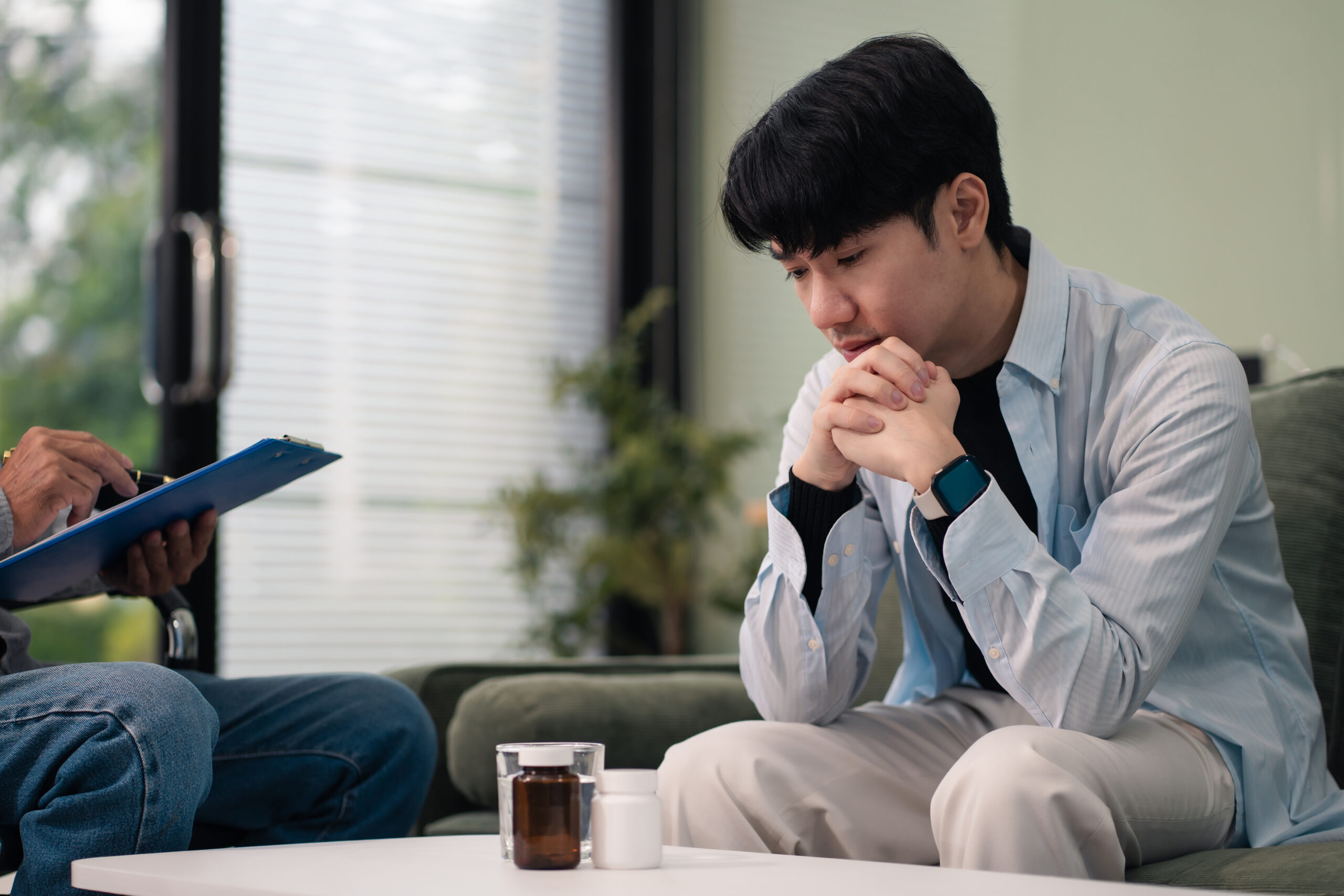
Most people experience anxiety at some point in life. What often makes the difference is not whether anxiety appears, but how individuals respond when it does.
Common ways people learn to manage anxiety include:
- Practicing grounding techniques
- Improving stress management
- Setting healthier boundaries
- Building emotional coping skills
- Improving communication
- Developing consistent routines
- Seeking counseling support
- Reducing caffeine or overstimulation when helpful
- Getting adequate sleep
- Talking honestly about stress instead of hiding it
It is also important to remember that “normal” people are not anxiety-free. Many people simply have support systems, coping tools, routines, and language for what they are experiencing.
For many individuals near Shenandoah and nearby communities, therapy can provide valuable support in building these long-term emotional wellness skills.
What Helps Anxiety Go Away Fast?

Many people search for immediate relief when anxiety feels overwhelming. While anxiety may not disappear instantly, certain strategies may help reduce emotional intensity and support a calmer response during stressful moments.
Helpful coping techniques include:
- Deep Breathing Exercises: Slowing the breath may help calm the body’s stress response.
- Grounding Techniques: Bringing attention back to the present moment can reduce emotional overwhelm.
- Mindfulness Practices: Focusing on the present rather than future worries may help decrease anxiety.
- Stepping Away Temporarily: Creating brief space from an overwhelming situation can help individuals regain emotional balance.
- Calming Routines: Engaging in familiar and comforting activities may support emotional regulation.
- Progressive Muscle Relaxation: Tensing and releasing muscle groups can reduce body tension.
- Cold Water or Sensory Grounding: Using safe sensory cues can help reconnect with the present moment.
These techniques may provide short-term relief, but long-term improvement usually comes from developing healthier coping strategies, reducing avoidance, and building emotional support systems.
Finding the Right Therapy Support Near Shenandoah
Individuals and families near Shenandoah may experience anxiety differently depending on emotional needs, life stressors, daily responsibilities, and personal history. Therapy can provide a supportive environment to better understand anxiety symptoms, improve coping strategies, and work toward healthier emotional balance.
Whether anxiety feels mild, persistent, or emotionally overwhelming, local counseling support can help individuals feel more confident, emotionally aware, and better equipped to manage daily stress.
At Acceptance Path Counseling, therapy may include CBT, mindfulness-based strategies, supportive counseling, acceptance-based work, stress-management tools, or other approaches depending on the person’s needs and goals.
Final Thoughts on Types of Therapy for Anxiety
There are many types of therapy for anxiety, and the best fit depends on the person. Some people benefit most from structured thought work. Others need grounding skills, emotional processing, exposure support, acceptance-based strategies, or help managing anxiety and depression together.
The most important step is not choosing the perfect approach alone. It is beginning with a supportive professional who can help clarify what is happening and what kind of care may help.
For individuals in Shenandoah, The Woodlands therapy can provide a compassionate space to understand anxiety, build coping skills, and move toward greater emotional steadiness.
FAQs
What is the best therapy for anxiety near Shenandoah?
The best therapy for anxiety often depends on the individual’s symptoms, emotional needs, and personal goals. Many individuals near Shenandoah benefit from approaches such as cognitive behavioral therapy, mindfulness-based therapy, supportive counseling, exposure-based therapy, acceptance-based therapy, or talk therapy.
Can therapy help people better manage anxiety symptoms?
Yes. Therapy may help individuals near Shenandoah better understand emotional triggers, improve coping strategies, manage overwhelming thoughts, reduce avoidance, and develop healthier responses to stress and anxiety. For many people in Shenandoah and nearby Woodlands communities, counseling can also provide a supportive space for emotional growth, stress management, and long-term emotional wellness.
How long does therapy for anxiety usually take?
The length of therapy can vary depending on the individual’s symptoms, goals, emotional needs, and life circumstances. Some individuals near Shenandoah may benefit from short-term counseling support, while others may prefer longer-term therapy for ongoing anxiety management, emotional growth, or co-occurring concerns such as depression, chronic stress, or major life transitions.