

Why Depression Can Feel Emotionally Draining

Depression affects how individuals think, process emotions, and handle routine responsibilities. Everyday environments can begin to feel unusually demanding. Simple tasks may require more effort than they used to. Social interaction may feel exhausting. Decisions may feel harder. Even rest may not feel restorative.
Common experiences associated with depression may include:
- Persistent feelings of emptiness or emotional exhaustion
- Difficulty concentrating, staying organized, or making decisions
- Feeling overwhelmed by household tasks, work goals, or responsibilities
- Loss of interest in hobbies, social gatherings, or recreation
- A pull toward social isolation or staying home more often
- Increased emotional sensitivity, irritability, or frustration
- Changes in sleep or appetite
- Feeling slowed down, numb, disconnected, or unlike yourself
Because mental health challenges affect everyone differently, recognizing the early signs of depression often involves looking for persistent changes rather than isolated bad days. One hard week does not always mean someone is depressed. But when emotional, physical, and behavioral changes continue and begin affecting daily life, support may be needed.
For a broader guide to emotional wellness tools, this related article on coping mechanisms for depression explains practical ways to support emotional resilience.
How do I know if I’m depressed?
Determining whether you are experiencing a passing low period or clinical depression often involves looking at duration, intensity, and impact. Sadness may come and go in response to life events. Depression tends to linger, affect multiple areas of life, and make functioning harder.
Helpful ways to assess your current emotional state include:
- Evaluating whether your low mood persists across different situations
- Reviewing whether you still feel connected to things that usually bring comfort or meaning
- Noticing whether you are withdrawing from family, friends, or coworkers
- Observing whether sleep, appetite, or energy have changed significantly
- Paying attention to self-talk that is dominated by guilt, worthlessness, or self-criticism
- Noticing whether simple tasks feel unusually difficult to begin or complete
- Asking whether positive events still feel emotionally accessible or seem unable to shift your mood
A helpful question is: “Is this feeling passing through me, or is it starting to shape how I live?”
If low mood, numbness, or emotional exhaustion lasts for more than a couple of weeks and begins affecting work, relationships, self-care, or daily responsibilities, it may be time to seek support.
Depression is not a personal failure. It is a mental health concern that deserves care, understanding, and appropriate support.
What are 5 symptoms of depression?
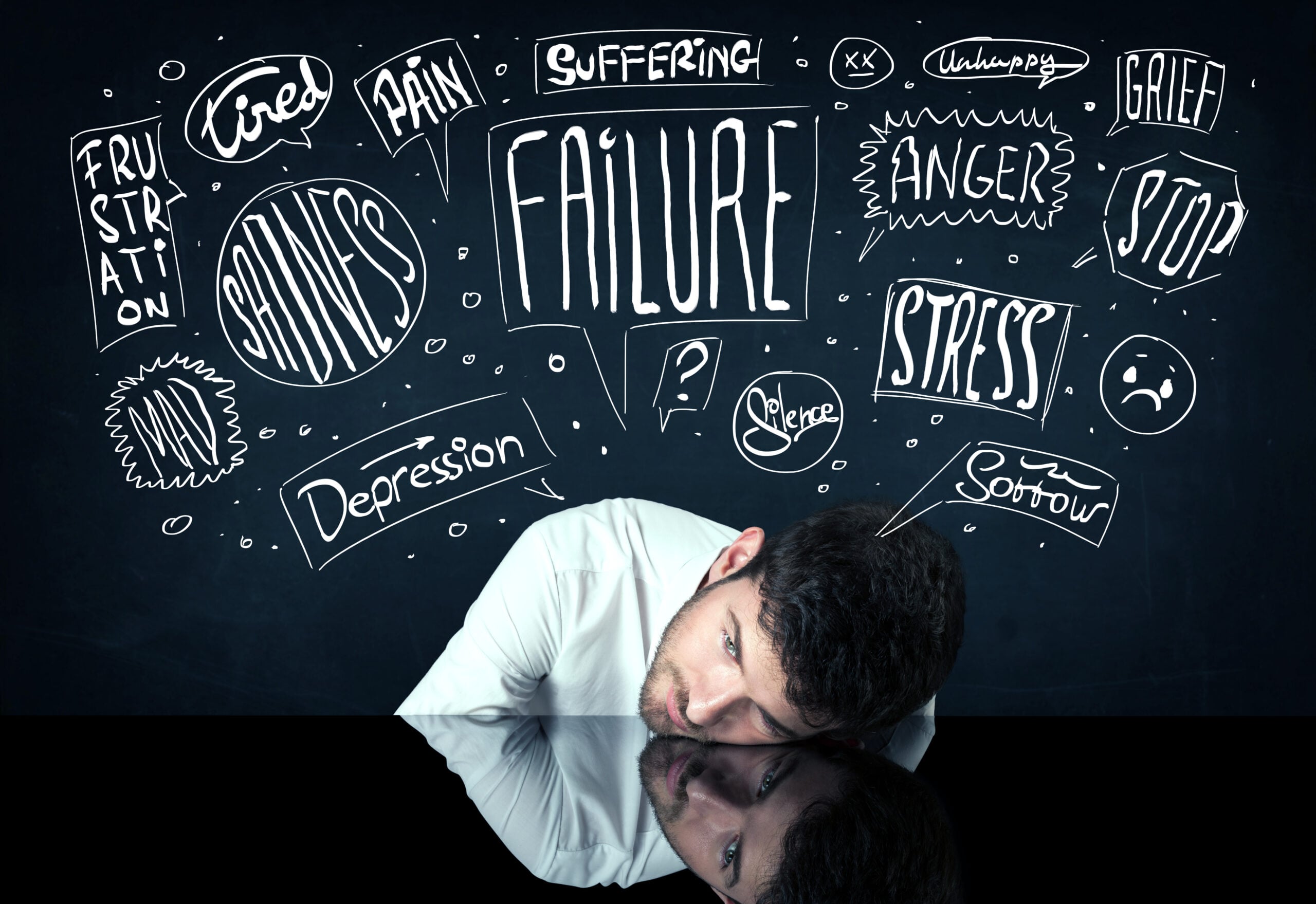
Clinical depression can affect both emotional and physical functioning. It is not only a mood problem. It can influence the body, thoughts, motivation, focus, and sense of self.
Five common symptoms of depression include:
1. Chronic Physical Fatigue
Depression can create a deep, ongoing lack of energy. A person may feel tired even after sleeping. Small tasks such as showering, cooking, responding to messages, or starting work may feel unusually difficult.
This type of fatigue is not the same as ordinary tiredness after a busy day. It can feel like the body and mind are moving through heaviness.
2. Persistent Sleep Disruptions
Depression may affect sleep in different ways. Some people struggle with insomnia, early-morning waking, or frequent nighttime waking. Others sleep much more than usual but still do not feel rested.
Sleep changes can also worsen mood, energy, concentration, and emotional regulation, creating a cycle that makes depression harder to manage.
3. Appetite and Nutrition Changes
Depression can affect appetite and eating habits. Some people lose interest in food, skip meals, or feel nauseated. Others may eat more than usual for comfort or because low energy makes planning meals difficult.
These changes can influence energy, mood, and physical well-being.
4. Cognitive and Focus Difficulties
Depression often affects concentration and decision-making. A person may experience brain fog, forgetfulness, difficulty following conversations, trouble completing tasks, or feeling stuck when making small decisions.
This can be especially frustrating for people who are used to being capable, organized, or productive.
5. Feelings of Worthlessness or Hopelessness
Depression can distort inner dialogue. A person may experience harsh self-criticism, excessive guilt, regret, or a sense that things will not improve.
These thoughts can feel convincing, but they are symptoms that deserve support. They are not accurate measurements of a person’s worth.
Understanding these symptoms helps challenge the misconception that depression is simply a temporary emotional phase someone can easily shake off.
What are 5 signs you have depression?
Symptoms describe what someone experiences internally. Signs are the observable changes that may become noticeable in daily life. These signs may show up gradually, making them easy to overlook at first.
Five common signs of depression may include:
1. Neglecting Standard Self-Care
A person may struggle to keep up with personal hygiene, household tasks, appointments, meals, or basic routines. This is not laziness. Depression can reduce energy and make ordinary self-care feel overwhelming.
2. Changes in Communication
Someone may speak less, respond more slowly, stop initiating conversations, or seem emotionally flat. They may answer with short replies because they do not have the energy to explain what they are feeling.
3. Increased Escapism
Depression can lead people to spend excessive time on screens, work, video games, scrolling, sleeping, or other avoidance patterns. These behaviors may be attempts to escape painful thoughts or emotional heaviness.
4. Decreased Performance and Productivity
A person may struggle to meet work expectations, finish school assignments, manage household responsibilities, or keep up with family duties. Tasks that once felt manageable may suddenly feel too heavy.
5. Unexplained Physical Discomfort
Depression can show up in the body through headaches, digestive issues, muscle tension, pain, or general physical discomfort without a clear medical explanation.
Recognizing these outward behavioral signs early can make it easier to seek professional support before symptoms become more disruptive.
Am I depressed or just sad?

Sadness is a normal human emotion. It may happen after loss, disappointment, stress, conflict, or grief. Depression is different because it tends to last longer, affect more areas of life, and interfere more deeply with functioning.
Encountering someone sad is a normal part of life. But when sadness becomes persistent, heavy, and difficult to shift, it may be part of a depressive episode.
Key differences include:
The Presence of Clear Triggers: Sadness is often connected to a specific event, such as a loss, disappointment, conflict, or change. Depression may emerge without one clear trigger, or it may continue long after the original stressor.
The Flexibility of Mood: Someone experiencing sadness may still have brief moments of comfort, humor, connection, or relief. Depression can flatten the emotional baseline, making joy feel distant or inaccessible.
The Impact on Self-Worth: Sadness may hurt, but it does not always change how someone sees themselves. Depression often brings harsh self-criticism, guilt, shame, or feelings of inadequacy.
The Effect on Daily Functioning: Sadness may make life harder for a time, but depression often disrupts sleep, appetite, concentration, motivation, work, relationships, and self-care.
Understanding this difference helps people avoid minimizing serious symptoms or pathologizing normal emotional pain. Both sadness and depression deserve compassion. Depression often needs more structured support.
Building Long-Term Emotional Resilience

Cultivating emotional resilience requires patience, daily support, and self-awareness. Depression recovery is rarely about one perfect solution. It often involves small, consistent steps that help rebuild stability over time.
Helpful long-term emotional wellness strategies may include:
- Creating clear boundaries around personal time and energy
- Prioritizing consistent rest, balanced nutrition, and hydration
- Staying connected with supportive friends and family members
- Engaging in regular stress-management practices
- Journaling or spending time in nature
- Partnering with a licensed counselor to develop personalized strategies
- Building small routines that support daily functioning
- Noticing early warning signs before symptoms intensify
- Practicing self-compassion during difficult periods
Long-term resilience does not mean never feeling sad or overwhelmed. It means having tools, support, and awareness that help you respond to emotional difficulty with care instead of self-blame.
Getting Depression Support in Grogan’s Mill
For individuals in Grogan’s Mill, counseling can help clarify whether emotional and behavioral changes may be signs of depression. A therapist can help identify patterns, explore possible triggers, and build a practical plan for support.
At Acceptance Path Counseling, depression support may include emotional awareness, coping strategies, behavioral activation, mindfulness, stress management, and healthier routines. Therapy can also help individuals understand the difference between normal sadness, ongoing stress, and depression that needs more focused care.
You do not have to wait until symptoms feel severe to reach out. Early support can make it easier to understand what is happening and begin taking manageable steps toward emotional wellness.
Final Thoughts on Signs of Depression
Learning to recognize the signs of depression involves developing emotional self-awareness, noticing behavioral shifts, and understanding when to reach out for support. Depression can affect mood, energy, focus, relationships, self-care, and physical well-being.
While emotional recovery takes time, small and consistent steps can help improve emotional balance and daily functioning. Support can also help individuals feel less alone and more equipped to respond to symptoms with compassion.
For individuals seeking counseling support in Grogan’s Mill, The Woodlands, professional guidance and local services can provide a safe space to explore personalized strategies that support lasting emotional health.
FAQs
Can identifying the early signs of depression help individuals in Grogan’s Mill secure more effective care?
Yes. Recognizing early signs of depression, such as chronic fatigue, sleep changes, appetite shifts, social withdrawal, irritability, or loss of interest, can help individuals seek support sooner. Early care can help prevent symptoms from worsening and support healthier coping routines.
What behavioral strategies are commonly explored in counseling near Grogan’s Mill to manage depression symptoms?
Counseling may include behavioral activation, mindfulness practices, structured daily planning, emotional regulation, stress management, and cognitive reframing. These tools can help individuals manage daily stress, improve mood stability, and rebuild healthier routines.
When should someone in Grogan’s Mill consider reaching out for professional counseling support?
Someone may consider professional support when low mood, emotional numbness, fatigue, withdrawal, or behavioral changes persist for more than two weeks and begin affecting relationships, work, school, self-care, or quality of life. Counseling can provide clarity, support, and practical next steps.