

What Eating Disorder Recovery Really Means

Eating disorder recovery is not only about changing eating behaviors. It also involves understanding the emotional patterns, stress responses, body image concerns, and coping habits that may be connected to food, control, or self-worth.
- Emotional Healing: Understanding the deeper stress, shame, fear, or anxiety driving the eating patterns.
- Behavioral Support: Safely identifying and unwinding patterns such as restriction, bingeing, purging, or rigid food rules.
- Body Image Work: Exploring how weight-related thoughts negatively affect your daily mood, choices, and self-worth.
- Adaptive Coping Skills: Building healthier ways to manage distress instead of relying on eating disorder behaviors.
- Coordinated Support Planning: Knowing when therapy, medical care, nutrition support, or higher levels of care are needed.
Recovery is not about becoming perfect with food or never struggling again. It is about building awareness, safety, flexibility, and support so eating disorder patterns no longer control daily life.
Why Eating Disorder Recovery Can Feel Difficult
Eating disorder recovery can feel emotionally complicated because the eating disorder may have served a purpose, even if it caused harm. For some people, it may have created a sense of control; for others, it may have helped numb anxiety or manage intense shame.
- Fear of Losing Control: Stepping away from rigid food rules can feel deeply chaotic and uncertain at first.
- Body Image Distress: Changes in eating patterns may temporarily increase vulnerability around appearance or self-worth.
- Emotional Exposure: Without eating disorder behaviors to numb the pain, difficult emotions may feel much stronger initially.
- Shame and Secrecy: Many individuals worry that others will judge, minimize, or completely misunderstand their experience.
- Fear of Relapse: Navigating a temporary slip can feel completely discouraging, even when it is a normal part of the process.
These challenges do not mean recovery is impossible. They mean the process needs compassion, structure, and support rather than pressure or shame.
How Long Does It Take to Recover From an Eating Disorder?

Eating disorder recovery time can vary depending on the person, the type of eating disorder, symptom severity, physical health, support system, and treatment needs. Some people begin feeling more stable after consistent support, while others need longer-term care to rebuild emotional and behavioral patterns.
There is no single recovery timeline that fits everyone. Recovery is often better understood as a process of building safety, awareness, and consistency over time.
- Early recovery: recognizing patterns, reducing secrecy, and beginning support.
- Stabilization: improving safety, routines, coping skills, and emotional regulation.
- Deeper emotional work: understanding triggers, shame, body image distress, and control patterns.
- Skill building: practicing healthier responses to stress, meals, relationships, and self-image concerns.
- Long-term maintenance: continuing support, relapse prevention, and self-awareness over time.
For anorexia eating disorder recovery or recovery involving medical risk, professional support is especially important. Physical stabilization, therapy, and coordinated care may all be part of the process.
How to Start Eating Normally After an Eating Disorder
Starting to eat normally after an eating disorder can feel scary, confusing, or emotionally overwhelming. For many people, “normal eating” does not feel simple because food may be connected to fear, guilt, control, shame, or anxiety.
It is important not to approach this process with pressure or sudden changes without support, especially if restriction, purging, significant weight changes, fainting, weakness, or medical symptoms are present.
- Start with support: work with a therapist, medical provider, dietitian, or treatment team when needed.
- Reduce all-or-nothing thinking: recovery often involves small, consistent steps rather than sudden perfection.
- Notice emotional triggers: pay attention to stress, shame, anxiety, or body image thoughts around eating.
- Build safer routines: create structure that supports stability without becoming rigid or punitive.
- Practice self-compassion: eating again after distress is not weakness; it is part of healing.
- Avoid comparison: recovery does not need to look like someone else’s process.
The goal is not to force a person into eating “normally” overnight. The goal is to rebuild safety, flexibility, and trust with food and the body over time.
Emotional Patterns That Can Affect Recovery
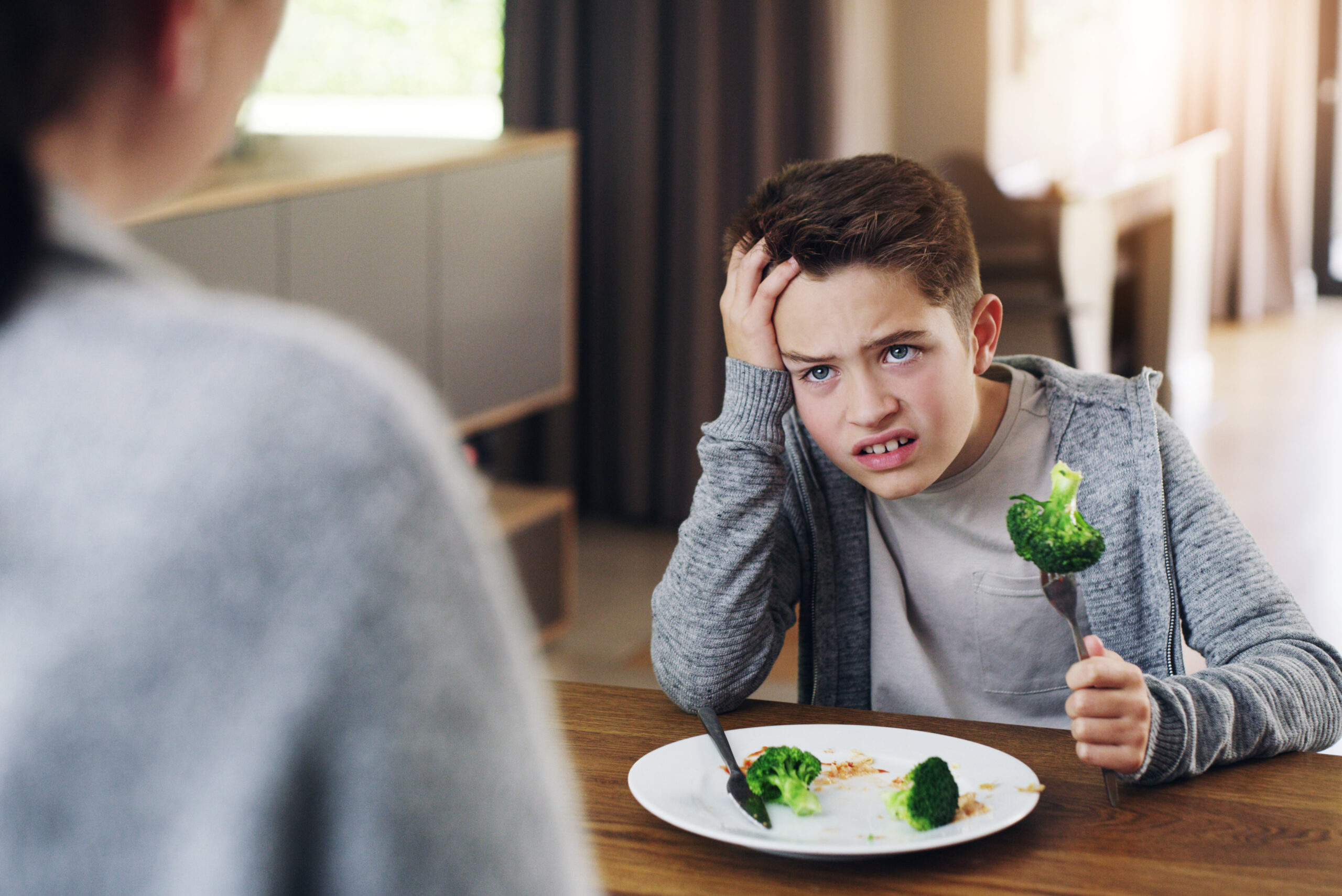
Eating disorder recovery often includes emotional work because eating behaviors are frequently connected to deeper patterns. These patterns may involve anxiety, stress, perfectionism, trauma, relationship distress, shame, or difficulty feeling in control.
Understanding these patterns can help recovery become less focused on blame and more focused on awareness.
- Anxiety: food, body image, or uncertainty may trigger intense worry.
- Perfectionism: rigid standards can make recovery feel like another thing to “do correctly.”
- Control: eating behaviors may become a way to manage emotional chaos.
- Shame: the person may feel embarrassed, secretive, or afraid of being misunderstood.
- Stress responses: eating disorder behaviors may increase during conflict, pressure, or life transitions.
- Emotional numbness: some behaviors may function as a way to avoid painful feelings.
When individuals understand what the eating disorder has been trying to manage emotionally, they can begin building healthier ways to respond to distress.
Coping Strategies During Eating Disorder Recovery
Coping strategies can support eating disorder recovery by helping individuals manage distress without relying on harmful eating patterns. These strategies should be flexible, realistic, and connected to the person’s stage of recovery.
Coping does not mean ignoring difficult feelings. It means creating safer ways to move through them.
- Grounding skills: using breathing, sensory awareness, or calming routines during emotional distress.
- Emotional labeling: naming feelings such as fear, shame, anger, sadness, or anxiety.
- Supportive connection: reaching out to a trusted person instead of isolating.
- Journaling: noticing triggers, thoughts, and patterns without judging them.
- Gentle routine building: creating structure that supports stability without becoming rigid.
- Therapy tools: learning personalized coping strategies through counseling.
Coping strategies are most helpful when they are practiced consistently and adjusted over time. What helps in one phase of recovery may need to change as the person grows.
Setbacks in Eating Disorder Recovery

Setbacks can happen during eating disorder recovery, and they do not mean the person has failed. Recovery is often uneven because emotional stress, life changes, body image triggers, or relationship challenges can bring old patterns back to the surface.
A setback is information. It can show where more support, structure, or coping tools may be needed.
- Increased stress: emotional pressure may make old behaviors feel tempting again.
- Body image triggers: appearance-related thoughts may become more intense.
- Social pressure: meals, comments, or comparisons may increase distress.
- Isolation: pulling away from support may make symptoms harder to manage.
- Shame after a slip: feeling guilty may make it harder to ask for help.
The goal after a setback is not punishment. It is returning to support, understanding what happened, and taking the next step toward stability.
Eating Disorder Recovery Support in Louetta
In Louetta, Houston Willowbrook, individuals may seek eating disorder recovery support when food-related distress, body image concerns, anxiety, or emotional patterns begin affecting daily life. Counseling can help create space to understand what is happening beneath the behavior.
Recovery support may focus on emotional awareness, coping strategies, communication guides, and rebuilding a healthier relationship with food, body image, and self-trust.
- Emotional awareness: understanding what feelings may be connected to eating disorder patterns.
- Coping strategies: building tools for stress, shame, anxiety, and emotional overwhelm.
- Trigger recognition: identifying situations, thoughts, or relationships that increase symptoms.
- Relationship support: improving communication with loved ones during recovery.
- Stability planning: creating steps that support consistency, safety, and long-term healing.
At Acceptance Path Counseling, we understand that healing is a personal journey. In Louetta, Houston Willowbrook, our counseling support focuses on helping individuals build resilience, strengthen emotional wellness, and move forward with greater confidence and support.
Final Thoughts
Eating disorder recovery takes patience, support, and compassion. It is not about doing everything perfectly or reaching a fixed finish line. It is about slowly rebuilding safety, trust, and healthier patterns over time.
For individuals in Louetta, recovery support can help bring clarity to eating disorder behaviors, emotional triggers, and daily-life challenges. With the right support, healing can become less isolating and more manageable. Recovery is possible, but no one should have to move through it alone.
If you are trying to support a loved one through recovery, you may also find our guide on how to support someone with an eating disorder.
FAQs
When should someone in Louetta seek eating disorder recovery support?
Someone in Louetta may benefit from eating disorder recovery support when food-related distress, body image concerns, restriction, bingeing, purging, or emotional patterns begin affecting daily life, relationships, health, or emotional well-being.
Is counseling available in Louetta, Houston Willowbrook, for eating disorder recovery?
Yes. Counseling in Louetta, Houston Willowbrook can help individuals understand eating disorder patterns, emotional triggers, coping strategies, and healthier ways to manage stress, body image concerns, and recovery challenges.
How can eating disorder recovery support help someone in Louetta?
Eating disorder recovery support can help individuals build emotional awareness, develop coping strategies, improve communication, reduce shame, and create more stable patterns around food, stress, and daily life.
What are the 5 stages of ED recovery?
The 5 stages of eating disorder recovery are often described as precontemplation, contemplation, preparation, action, and maintenance. These stages are not always linear, and people may move back and forth between them during recovery.
How long does it take to recover from an eating disorder?
Recovery time varies for each person and depends on symptom severity, physical health, treatment support, and emotional readiness. Some people begin stabilizing with consistent care, while others need longer-term support to rebuild safety and trust with food and their body.