
What Is PTSD Hypervigilance?

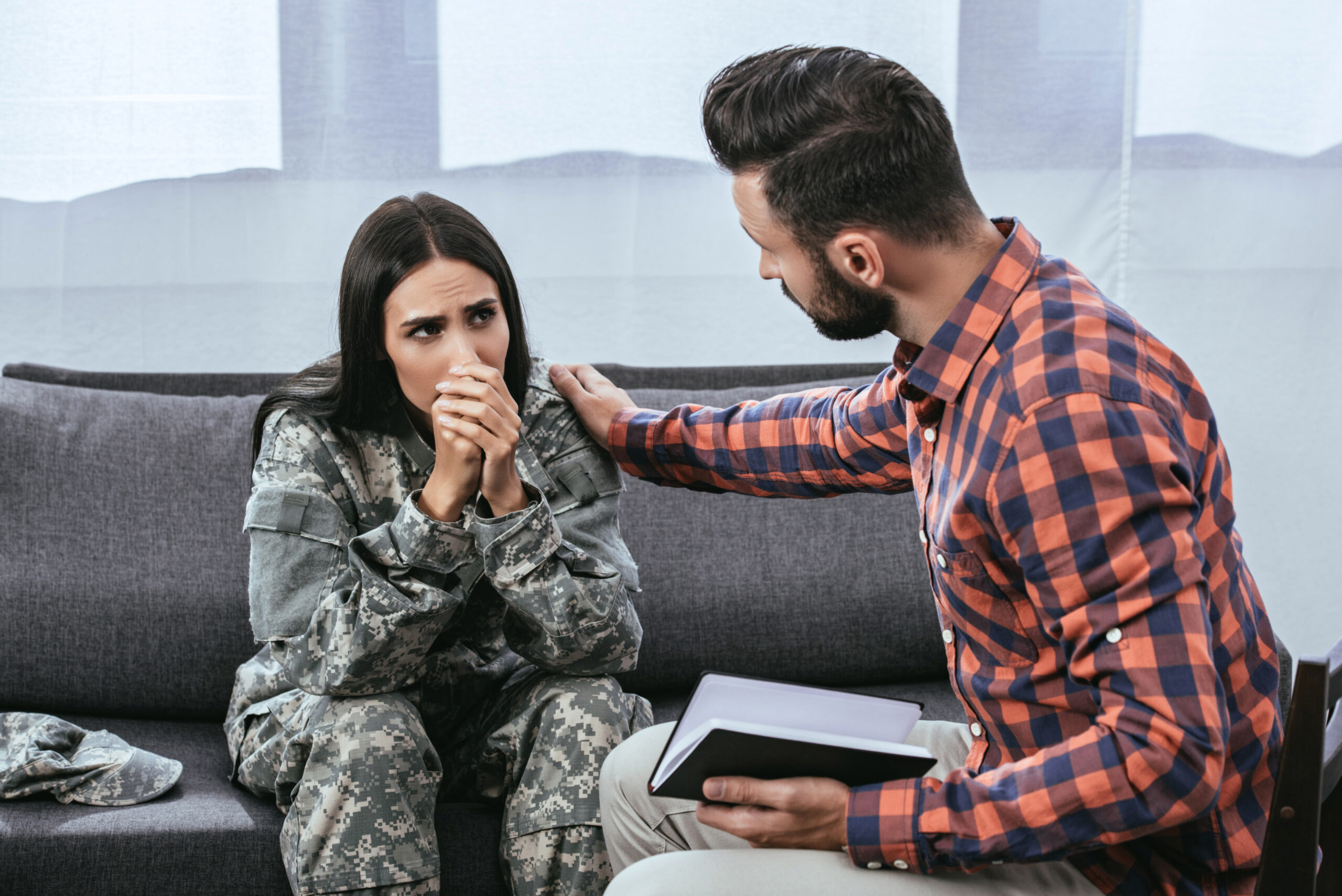
PTSD hypervigilance describes a persistent state of heightened awareness after trauma. The person may feel as though their mind and body must remain prepared for danger, even when no immediate threat is visible.
Hypervigilance is commonly associated with the arousal and reactivity symptoms of PTSD. It may appear alongside an exaggerated startle response, sleep disruption, irritability, tension, or difficulty concentrating.
The person is not necessarily imagining danger. Their protective system may be responding to uncertainty as though it carries the same risk as an earlier experience.
What Does Hypervigilance Feel Like?
Hypervigilance may feel like an inability to turn off monitoring. Part of the person’s attention remains focused on what could change, who might approach, or how quickly they could respond.
Someone may experience:
- Automatically identifying exits.
- Sitting where the entire room is visible.
- Watching other people’s hands or facial expressions.
- Becoming tense when someone walks behind them.
- Checking locks, windows, or surroundings repeatedly.
- Feeling unable to wear headphones in public.
- Monitoring traffic far beyond ordinary defensive driving.
- Waking after small sounds.
- Interpreting unexpected movement as possible danger.
- Rehearsing what to do if something goes wrong.
- Feeling exhausted after spending time in crowded places.
- Struggling to become absorbed in enjoyable activities.
- Noticing subtle changes in another person’s mood.
- Feeling uneasy when everything appears calm.
The person may understand logically that the environment is different from the traumatic situation. Their body may still respond before that reasoning becomes accessible.
Why Can the Body Stay on Alert After Trauma?
During danger, rapid threat detection can be protective. Attention narrows, the body prepares to act, and information connected to safety becomes more important than everything else.
After the event has passed, that protective system may continue responding to reminders or uncertainty. It can become more sensitive because overlooking danger feels more costly than reacting to a false alarm.
This does not mean the person is choosing fear. The response may happen automatically, sometimes before they consciously recognize what triggered it.
Counseling can help someone understand the protection behind the reaction without assuming that the reaction must continue controlling daily life.
Common Signs of PTSD Hypervigilance
Hypervigilance can affect thoughts, emotions, behaviors, and physical sensations. The specific pattern depends on the person’s experiences, environment, and what their mind learned to monitor.
Constant Environmental Scanning
The person may repeatedly look around a room, parking lot, store, or street. They may track movement, exits, sounds, and the distance between themselves and other people.
Scanning may feel responsible rather than exhausting. The person may believe relaxing would make them vulnerable to something they should have anticipated.
An Exaggerated Startle Response
Unexpected sounds, touch, or movement may create an intense physical reaction. The person might jump, freeze, duck, become angry, or need time to understand what happened.
The reaction can produce embarrassment afterward. Shame may increase when other people treat the response as dramatic or humorous.
Difficulty Relaxing
Rest may feel unfamiliar or unsafe. When external demands decrease, the mind may begin searching for what has been overlooked.
Someone may remain busy because activity feels more manageable than stillness. They may confuse tension with preparedness and relaxation with losing control.
Sleep Disruption
Small noises may interrupt sleep, or the person may stay partly alert while resting. They may check the home before bed, delay sleeping, or wake feeling as though they never fully settled.
Exhaustion can then make emotional regulation and concentration more difficult. The resulting irritability may increase the sense that the environment is unpredictable.
Irritability
Constant monitoring requires significant energy. Interruptions, questions, noise, traffic, or unexpected changes may feel more demanding when the nervous system is already operating near its limit.
Irritability does not always mean someone is angry with the people around them. It may reflect exhaustion, overstimulation, or a body preparing to defend itself.
Difficulty Concentrating
Attention may repeatedly shift toward possible danger. Reading, listening, working, or following a conversation becomes harder when part of the mind remains focused on the surroundings.
The person may appear distracted even though they are concentrating intensely. Their attention is simply directed toward safety rather than the task in front of them.
Hypervigilance in Relationships
Trauma-related threat monitoring can extend into relationships. Someone may become highly sensitive to changes in tone, facial expression, availability, or emotional distance.
A quiet response may feel like anger. A request for space may seem like rejection, while an ordinary disagreement may signal that the relationship is no longer safe.
Relationship hypervigilance may involve:
- Watching for signs that someone is upset.
- Replaying conversations for hidden meanings.
- Asking whether everything is okay repeatedly.
- Apologizing before knowing whether harm occurred.
- Avoiding difficult conversations.
- Becoming defensive after neutral feedback.
- Feeling responsible for another person’s mood.
- Withdrawing before conflict can develop.
- Struggling to trust consistent care.
- Preparing for betrayal without clear evidence.
These reactions may have developed in relationships where subtle changes did predict danger. Present relationships may require different responses, but learning that difference can take time.
Hypervigilance at Work
Hypervigilance may be mistaken for productivity, preparation, or high standards. Someone may catch small details and anticipate problems while privately feeling unable to stop monitoring.
Possible workplace patterns include:
- Rechecking messages for signs of conflict.
- Monitoring a supervisor’s mood.
- Preparing excessively for routine meetings.
- Feeling unable to delegate.
- Interpreting feedback as a serious threat.
- Sitting where the room or doorway remains visible.
- Becoming overwhelmed in noisy environments.
- Struggling to focus after an unexpected interaction.
- Remaining tense long after the workday ends.
The person may receive praise for being observant or dependable. That praise can make it harder to recognize how much energy the pattern requires.
Hypervigilance in Public Places
Crowds, unfamiliar environments, limited exits, or unpredictable movement may intensify alertness. The person may plan where to sit, when to arrive, and how quickly they can leave.
They may avoid restaurants, events, stores, public transportation, or other locations where monitoring feels difficult. The avoidance can gradually reduce social connection and meaningful activity.
Leaving may provide immediate relief. However, repeated avoidance can teach the mind that the situation was too dangerous to tolerate, making the next attempt feel even harder.
Hypervigilance While Driving
Driving requires appropriate awareness, but PTSD hypervigilance may increase monitoring beyond what the situation requires. Someone may become tense around particular vehicles, roads, intersections, sounds, or driving conditions.
They may repeatedly check mirrors, avoid certain routes, become distressed when another car follows them, or feel unable to ride as a passenger. The body may remain activated long after reaching the destination.
The difference is not simply being a careful driver. The pattern becomes concerning when alertness creates significant distress, avoidance, or difficulty making ordinary driving decisions.
Hypervigilance vs. Ordinary Awareness
Situational awareness adjusts as the environment changes. Hypervigilance can remain active after the immediate need for protection has passed.
| Ordinary awareness | Possible PTSD hypervigilance |
|---|---|
| Notices an unusual sound and then returns attention to the task. | Continues listening and searching after the sound has been explained. |
| Checks an exit when entering an unfamiliar place. | Monitors the exit throughout the entire visit. |
| Becomes alert in a genuinely risky situation. | Feels unable to lower alertness in ordinary settings. |
| Responds to another person’s visible anger. | Scans neutral expressions for concealed anger. |
| Uses reasonable safety precautions. | Repeats safety behaviors because the feeling of danger remains. |
| Relaxes when the environment becomes predictable. | Feels uneasy because calmness itself seems suspicious. |
This comparison cannot determine whether PTSD is present. It can help someone notice whether awareness remains flexible or has become exhausting and restrictive.
Hypervigilance vs. Anxiety
Hypervigilance and anxiety can overlap. Both may involve tension, worry, scanning, sleep difficulties, and anticipation of negative outcomes.
General anxiety may focus on several future possibilities, while trauma-related hypervigilance often involves detecting cues connected to danger, vulnerability, or an earlier experience. The distinction is not always obvious, and someone may experience both.
Counseling can examine the complete pattern rather than relying on one symptom. The goal is to understand what activates the alertness, what the person fears, and which responses keep it going.
Does Hypervigilance Mean Someone Is Paranoid?

Not necessarily. Hypervigilance often involves heightened attention to possible danger, while paranoia generally includes stronger beliefs that another person or group intends harm.
The experiences can sometimes appear similar from the outside. A careful assessment considers the person’s beliefs, level of certainty, trauma history, context, and whether they can consider alternative explanations.
Using “paranoid” casually may increase shame and discourage someone from describing what they experience. It is more useful to ask what the person notices, fears, and feels compelled to do next.
The Hypervigilance Cycle
Hypervigilance can become self-reinforcing when monitoring and safety behaviors provide temporary relief. The person may interpret that relief as proof that constant alertness prevented danger.
The cycle may look like this:
- A trigger appears: A sound, facial expression, location, memory, or uncertain situation activates threat awareness.
- The body responds: Heart rate, muscle tension, breathing, and attention change.
- Scanning increases: The person searches for evidence of danger.
- A safety behavior follows: They check, avoid, leave, seek reassurance, or prepare to defend themselves.
- Relief appears: Distance or checking lowers distress temporarily.
- The response is reinforced: The mind concludes that monitoring or avoidance created safety.
- Future alertness increases: Similar situations trigger a faster and stronger response.
The person did not create this cycle intentionally. Understanding it can reveal where counseling and deliberate practice may begin creating a different response.
How Safety Behaviors Can Maintain Hypervigilance
Safety behaviors are actions used to reduce fear or prevent a possible threat. Some precautions are reasonable, but repeated behaviors may prevent the nervous system from learning that every uncertain situation does not become dangerous.
Possible safety behaviors include:
- Checking locks repeatedly.
- Refusing to sit with the back toward a doorway.
- Avoiding crowded or unfamiliar places.
- Monitoring another person’s emotional state continuously.
- Keeping the television or lights on while sleeping.
- Rehearsing escape plans repeatedly.
- Asking others to confirm that an environment is safe.
- Carrying unnecessary protective items.
- Leaving before anxiety has time to decrease.
- Avoiding rest because alertness feels protective.
The goal is not to remove every precaution at once. Counseling can help determine which behaviors reflect current needs and which primarily serve the trauma alarm.
Why “Just Relax” Usually Does Not Help
Relaxation requires enough perceived safety for the body to reduce its guard. Telling someone to relax does not provide that sense of safety and may suggest that they are choosing the reaction.
The person may already be frustrated by their inability to settle. Pressure to calm down can add shame to an activated nervous system.
A more supportive response acknowledges what is happening without treating the reaction as proof of present danger. That approach creates more room for the person to regain orientation and choice.
Practical Ways to Respond to Hypervigilance
A helpful response does not require someone to convince themselves that nothing bad could happen. The first step may simply be recognizing that the trauma alarm is active.
Orient to the Present Environment
Notice specific information about the current setting. Identify where you are, what time it is, who is present, and what has actually happened rather than what might happen.
Name the Reaction
Try, “My body is preparing for danger,” rather than immediately concluding that danger has been confirmed. Naming the response can create a small amount of distance from it.
Describe the Trigger
Identify what changed immediately before the alertness increased. A sound, expression, smell, location, memory, or physical sensation may provide useful context.
Reduce One Layer of Scanning
Choose one manageable shift rather than demanding complete relaxation. This might involve returning attention to a conversation briefly or allowing someone else to monitor an ordinary task.
Release Physical Tension Gradually
Notice the jaw, shoulders, hands, or breath without forcing the entire body to calm immediately. Small physical changes may communicate that an immediate defensive response is not currently required.
Return to a Chosen Activity
Continue one meaningful action while some alertness remains. Waiting to feel completely safe before participating can allow hypervigilance to determine more of daily life.
These strategies are not substitutes for counseling when symptoms are persistent or disruptive. They can help someone observe the pattern and gather information about what support may be useful.
How to Support Someone Experiencing Hypervigilance
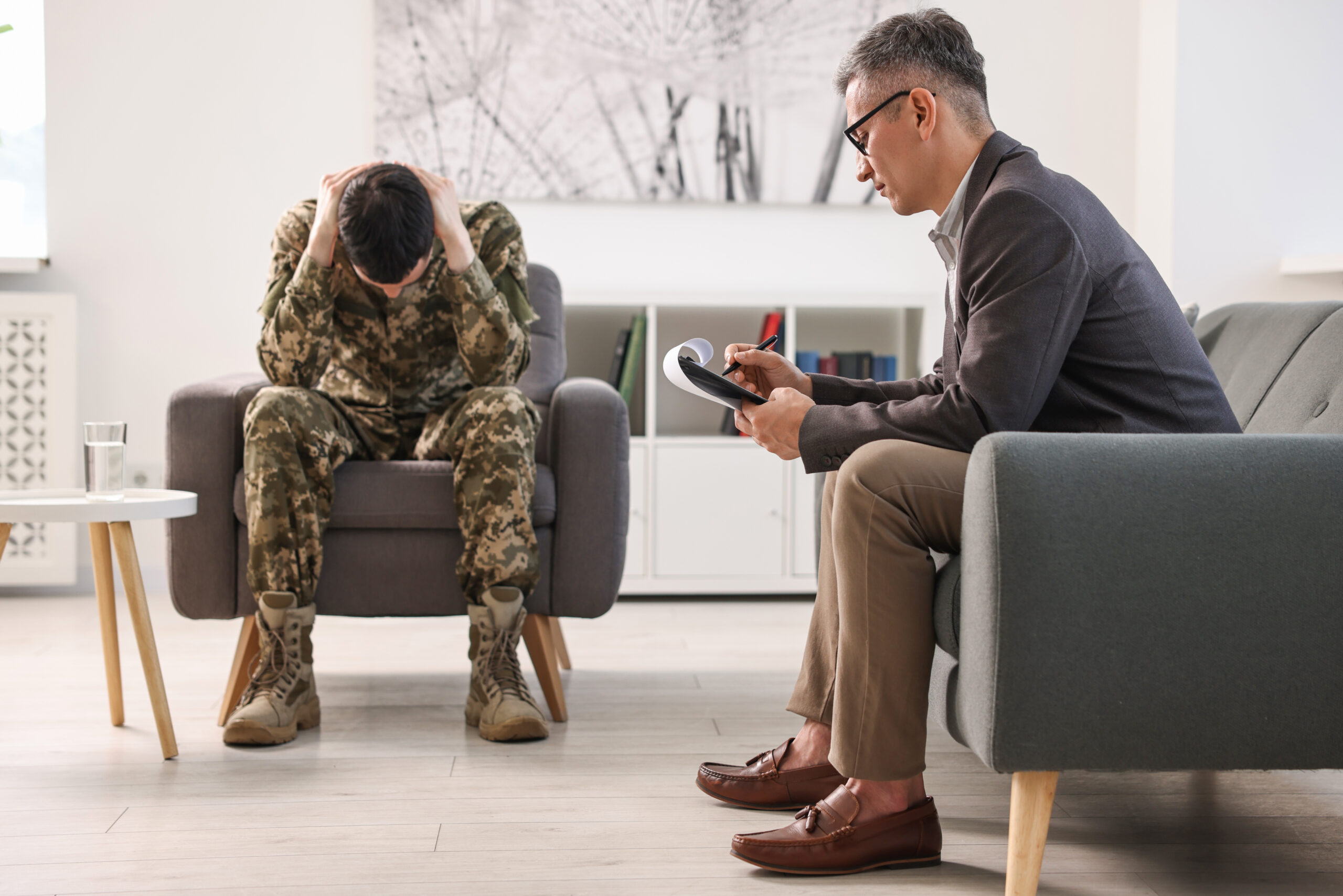
A calm and predictable response is generally more useful than arguing about whether the person should feel safe. The emotion and physical reaction are real, even when the current environment does not contain the feared danger.
Helpful responses may include:
- “I can see that something put you on alert.”
- “Would it help to step somewhere quieter?”
- “You do not have to explain everything right now.”
- “Let’s focus on what is happening in this moment.”
- “I will tell you before I come closer.”
- “Would you like company or some space?”
- “We can slow this down.”
Avoid touching someone unexpectedly or blocking their exit during activation. Support should preserve dignity and choice rather than making the person feel controlled.
When Should You Consider Counseling?
Counseling may be helpful when hypervigilance interferes with sleep, relationships, work, driving, concentration, rest, or participation in ordinary activities. Support may also be worthwhile when scanning and avoidance continue even after someone understands that the original danger has passed.
A person does not need to wait until they can no longer function. Appearing productive does not reveal how much effort it takes to remain constantly alert.
How Counseling Can Help With PTSD Hypervigilance
Counseling can help someone understand the connection among trauma reminders, physical activation, threat interpretations, scanning, avoidance, and temporary relief. The process should reflect the person’s history, current needs, and capacity rather than following one rigid sequence.
Counseling may focus on:
- Identifying personal triggers.
- Recognizing early physical signs of activation.
- Distinguishing current risks from trauma-related alarms.
- Reducing avoidance gradually.
- Examining safety behaviors.
- Developing grounding and emotional-regulation skills.
- Improving sleep-related routines.
- Communicating needs and boundaries.
- Rebuilding trust in relationships.
- Returning to meaningful activities.
- Reducing shame about protective reactions.
- Processing trauma at a manageable pace.
Effective PTSD counseling may include learning to identify triggers and manage symptoms while addressing the ways trauma affects work, relationships, and daily life. The goal is not to make someone defenseless; it is to help alertness become more flexible and responsive to the present.
Understanding PTSD Hypervigilance Near Panther Creek and The Woodlands
People near Panther Creek may balance careers, commuting, relationships, caregiving, school schedules, and community responsibilities throughout The Woodlands. Someone can appear capable in those roles while privately monitoring every environment and struggling to feel fully at rest.
Acceptance Path Counseling offers PTSD counseling for people near Panther Creek and throughout The Woodlands. Counseling can help someone understand trauma-related alertness, develop steadier responses, and reconnect with ordinary activities without forcing the process.
Conclusion
PTSD hypervigilance can make the mind and body behave as though danger may appear at any moment. Constant scanning, startle reactions, sleep disruption, irritability, avoidance, and difficulty concentrating can become exhausting even when the person remains outwardly productive.
People near Panther Creek can explore these patterns through PTSD counseling in The Woodlands. Counseling can support greater awareness, more flexible responses to triggers, and a growing ability to experience the present without remaining controlled by the past.
FAQs
Is counseling for PTSD hypervigilance available near Panther Creek?
Yes. Acceptance Path Counseling provides PTSD counseling for people near Panther Creek and throughout The Woodlands. Therapy may help when constant alertness, scanning, startle reactions, sleep disruption, irritability, or avoidance begins affecting daily life.
Can Panther Creek residents attend online counseling for PTSD hypervigilance?
Online counseling may be available when the therapist is licensed in Texas. Virtual sessions can provide flexibility for people balancing work, transportation, school, caregiving, relationships, or family responsibilities.
How can a therapist near The Woodlands help with PTSD hypervigilance?
A therapist can help someone identify triggers, understand protective responses, reduce avoidance, and distinguish present risks from trauma-related alarms. Counseling may also support grounding, emotional regulation, sleep, boundaries, and renewed participation in meaningful activities.
Is hypervigilance always caused by PTSD?
No. Hypervigilance can occur in several circumstances and one symptom cannot establish that PTSD is present. The broader pattern, trauma history, duration, triggers, and effect on daily functioning all matter.
Can PTSD hypervigilance improve with counseling?
Hypervigilance may become more manageable as someone learns to recognize triggers, respond to physical activation, reduce safety behaviors, and approach avoided situations gradually. Progress is individual and does not require someone to stop noticing genuine risks.