
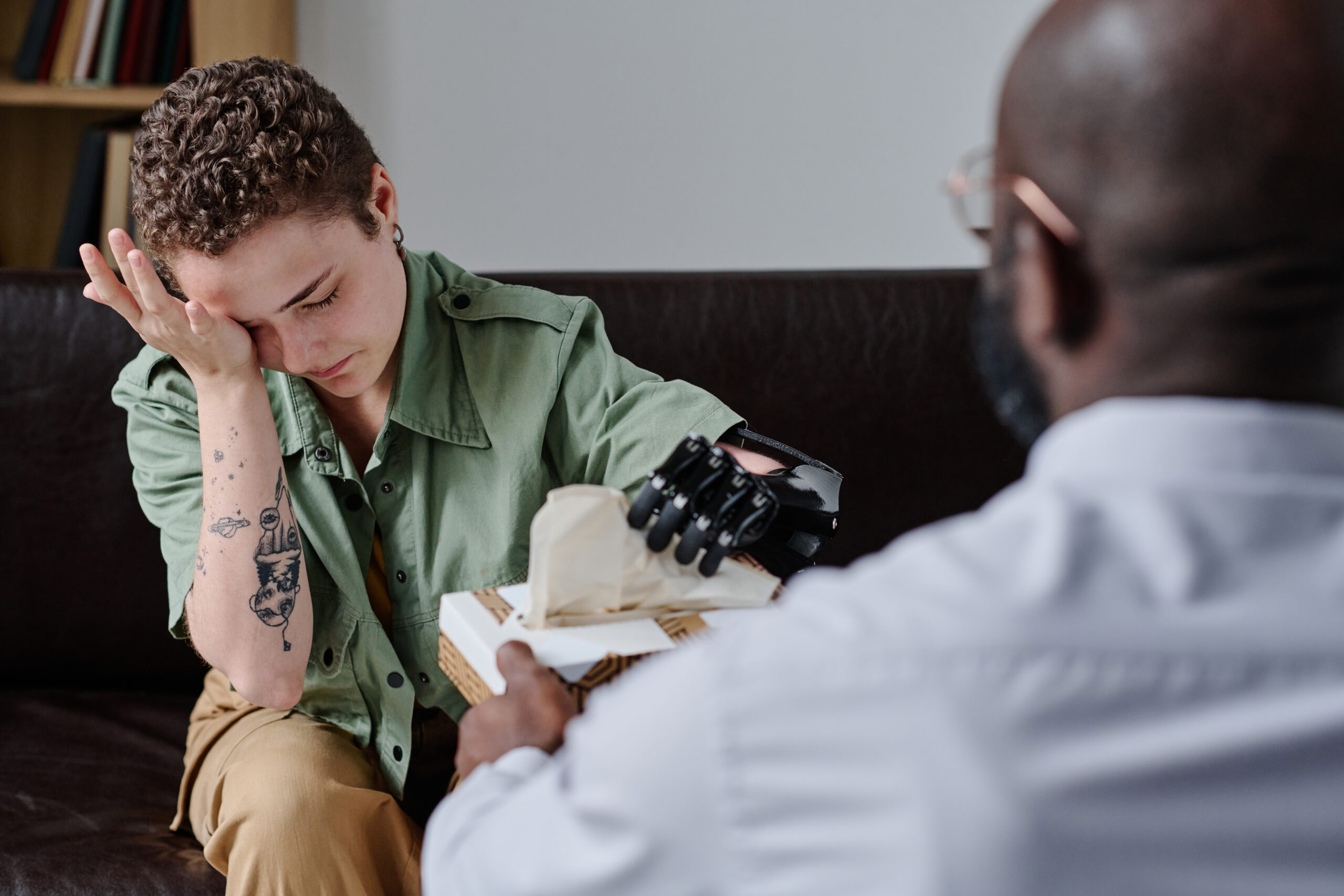
How Does Trauma Therapy Work?

Trauma therapy works by helping individuals understand the connection between difficult experiences and present-day emotional patterns. Many people seek counseling because they feel overwhelmed, disconnected, reactive, numb, anxious, or stuck in patterns they do not fully understand.
Here are several ways trauma therapy may support recovery:
- Creating a Safe Environment: Therapy provides a supportive space where individuals can explore difficult experiences without judgment. A therapist’s role is not to pressure someone into sharing everything right away, but to help create enough safety for healing to begin.
- Understanding Trauma Responses: Individuals learn how trauma may influence emotions, behaviors, relationships, body sensations, and stress responses. This kind of trauma psychoeducation for clients can help reduce shame by explaining why certain reactions may be protective responses rather than personal failures.
- Developing Coping Strategies: Counseling focuses on practical tools that help individuals manage emotional distress, triggers, and everyday challenges. These tools may include grounding skills, breathing techniques, emotional regulation strategies, and ways to recognize early signs of overwhelm.
- Building Self-Awareness: Therapy can help individuals recognize patterns, triggers, emotional needs, and protective behaviors. This awareness often becomes the first step toward making different choices.
- Supporting Long-Term Healing: The goal is not simply to talk about the past. Trauma therapy helps individuals create healthier patterns moving forward so past experiences have less control over daily life.
Trauma recovery often looks different for every person. In counseling, individuals can move at a pace that feels supportive while focusing on meaningful emotional growth, healthier coping, and greater confidence in managing life’s challenges.
What Happens During Trauma Therapy?

Many people feel uncertain about their first counseling session because they imagine they will have to explain every painful detail right away. In reality, trauma therapy often begins by focusing on the present: what is happening now, what feels difficult, and what kind of support the person needs.
Common parts of trauma therapy may include:
- Discussing Current Challenges: Individuals often explore how trauma may be affecting daily life, relationships, emotional well-being, sleep, concentration, or stress tolerance. This helps the therapist understand what support may be most useful.
- Identifying Emotional Patterns: Therapy may help individuals recognize recurring thoughts, emotions, body reactions, or behaviors. For example, someone may notice that conflict makes them shut down, criticism makes them panic, or certain situations make them feel unsafe even when they are not in danger.
- Learning Coping Skills: Counselors often introduce practical tools that support emotional regulation and stress management. These skills can help individuals feel more grounded before deeper trauma work begins.
- Building Emotional Awareness: Individuals may learn how emotions, triggers, and past experiences connect to current difficulties. This can make reactions feel less confusing and more understandable.
- Setting Personal Goals: Therapy is often guided by the individual’s unique needs and desired outcomes. One person may want to feel less reactive in relationships. Another may want to reduce avoidance, improve sleep, or feel more present in daily life.
Many people are relieved to learn that trauma therapy does not require sharing every detail of a difficult experience immediately. Counseling is designed to move at a pace that feels manageable, respectful, and supportive.
How Do Therapists Treat Trauma?
Therapists treat trauma by helping individuals build safety, understand trauma responses, develop coping skills, and process difficult experiences when appropriate. The specific approach depends on the person’s history, symptoms, goals, and readiness.
Trauma therapy may involve:
- Trauma Psychoeducation for Clients: Learning how trauma affects emotions, behaviors, relationships, and the nervous system can help individuals better understand their experiences. This can be especially helpful for people who have blamed themselves for reactions that were actually survival responses.
- Trauma Discovery and Self-Awareness: Counseling may help individuals identify patterns, triggers, beliefs, and challenges that continue affecting daily life. This process is not about forcing painful memories open. It is about understanding what is still shaping the present.
- Emotional Processing: Therapy provides support for exploring difficult emotions in a safe environment. This may involve working through grief, fear, anger, shame, sadness, or confusion at a pace the individual can tolerate.
- Skill Development: Individuals often learn practical coping strategies that support emotional regulation and resilience. These tools may help between sessions, during difficult conversations, or when triggers appear unexpectedly.
- Ongoing Support: Consistent counseling may help individuals work toward long-term healing, personal growth, and healthier relationships.
A trauma therapist does not simply ask, “What happened to you?” A more helpful question is often, “How is what happened still affecting you, and what support do you need now?”
What Is the Best Therapy for Unresolved Trauma?

Many individuals searching for help want to know which therapy approach is best for unresolved trauma. The honest answer is that the most effective therapy is often the one that aligns with the individual’s experiences, goals, symptoms, and emotional needs.
Several factors often contribute to successful trauma recovery:
- A Strong Therapeutic Relationship: Feeling understood and supported is often an important part of progress. Trauma work requires trust, and that trust usually develops gradually.
- Individualized Treatment: Effective counseling reflects each person’s unique experiences and circumstances. Two people may have similar symptoms but need different kinds of support.
- Practical Skill Building: Learning healthy coping strategies supports long-term resilience and helps individuals manage distress outside of therapy sessions.
- Consistent Participation: Regular counseling often provides opportunities for continued growth, reflection, and healing.
- Professional Guidance: Working with a qualified therapist can help individuals navigate complex emotional experiences without feeling alone in the process.
Rather than focusing only on finding the “best” therapy, many individuals benefit from finding a counselor and approach that feels safe, supportive, and aligned with their goals.
Why Trauma Therapy Usually Starts With Safety
A common misconception is that trauma therapy begins by immediately talking through the most painful parts of the past. For many people, effective trauma work begins with safety first.
This may include:
- Learning Grounding Skills: Grounding helps individuals reconnect with the present moment when emotions or body sensations feel intense.
- Understanding Triggers: Identifying triggers can help individuals feel less blindsided by emotional reactions.
- Building Emotional Regulation: Regulation skills help individuals respond to stress with more steadiness.
- Strengthening Support Systems: Healing is often easier when individuals have supportive people, routines, or resources outside of therapy.
- Creating a Sense of Choice: Trauma can leave people feeling powerless. Therapy often helps restore a sense of agency and choice.
This foundation matters because healing is not about pushing through distress as quickly as possible. It is about building enough stability that deeper work can happen without overwhelming the person.
How Trauma Therapy Supports Daily Life
Trauma therapy is not only about the past. Many people come to counseling because trauma is affecting their present life in ways that feel exhausting or confusing.
Therapy may support daily life by helping individuals:
- Respond Differently to Triggers: Instead of immediately shutting down, panicking, withdrawing, or becoming reactive, individuals can learn new ways to pause and respond.
- Improve Relationships: Counseling may help individuals communicate needs, set boundaries, rebuild trust, or understand patterns in connection.
- Reduce Avoidance: Avoidance can feel protective, but over time it may shrink a person’s life. Therapy can help individuals approach difficult situations gradually and safely.
- Strengthen Self-Compassion: Many trauma survivors carry shame or self-blame. Therapy can help individuals understand their responses with more compassion.
- Feel More Present: Trauma can keep the mind and body tied to past danger. Counseling may help individuals reconnect with the present moment and feel more grounded.
These changes often happen gradually. Progress may look like noticing a trigger sooner, calming the body more effectively, having a difficult conversation with more confidence, or feeling less controlled by past experiences.
Finding Trauma Therapy Support in Huntwick Forest

Individuals throughout Huntwick Forest and nearby Houston Willowbrook communities may experience trauma differently, but support is available. Counseling can provide a safe and supportive environment where individuals explore difficult experiences, develop healthier coping strategies, and work toward emotional healing.
At Acceptance Path Counseling, we understand that recovery looks different for every person. Our local services focus on meeting individuals where they are while providing compassionate support throughout the healing process.
Final Thoughts on How Trauma Therapy Works
Trauma therapy works by helping individuals understand how difficult experiences may still be affecting their emotions, relationships, body responses, and daily life. The process is not about forcing someone to relive the past. It is about helping them build safety, develop coping skills, process experiences at a manageable pace, and create healthier patterns for the future.
For individuals in Huntwick Forest, trauma counseling can offer a supportive path toward emotional resilience, greater self-awareness, and meaningful healing.
FAQs
How long does trauma therapy take?
The length of trauma therapy varies based on an individual’s experiences, goals, symptoms, and needs. Many people benefit from a counseling approach that progresses at a pace that feels supportive and manageable rather than rushed.
Do I have to talk about everything that happened in trauma therapy?
No. Trauma therapy is designed to move at a pace that feels safe and comfortable for each individual. Many counselors focus first on building coping skills, emotional safety, and trust before exploring difficult experiences in greater depth.
How should I prepare for my first trauma therapy session in Huntwick Forest?
Preparing for your first trauma therapy session in Huntwick Forest may involve reflecting on current challenges, personal goals, and questions you would like to discuss. It can also help to remember that there is no pressure to share everything at once.
Can trauma therapy help years after a difficult experience in Huntwick Forest?
Yes. Many individuals in Huntwick Forest seek counseling years after a difficult experience occurred and still find meaningful opportunities for healing and personal growth. Trauma therapy can help individuals better understand trauma responses and develop healthier coping strategies over time.
Can trauma therapy help individuals in Huntwick Forest?
Yes. Trauma therapy may help individuals in Huntwick Forest improve emotional regulation, strengthen coping skills, and better understand trauma responses. Acceptance Path Counseling provides trauma-focused counseling support for adults throughout Huntwick Forest and nearby Northwest Houston communities seeking meaningful emotional healing.