

What Are PTSD Nightmares?
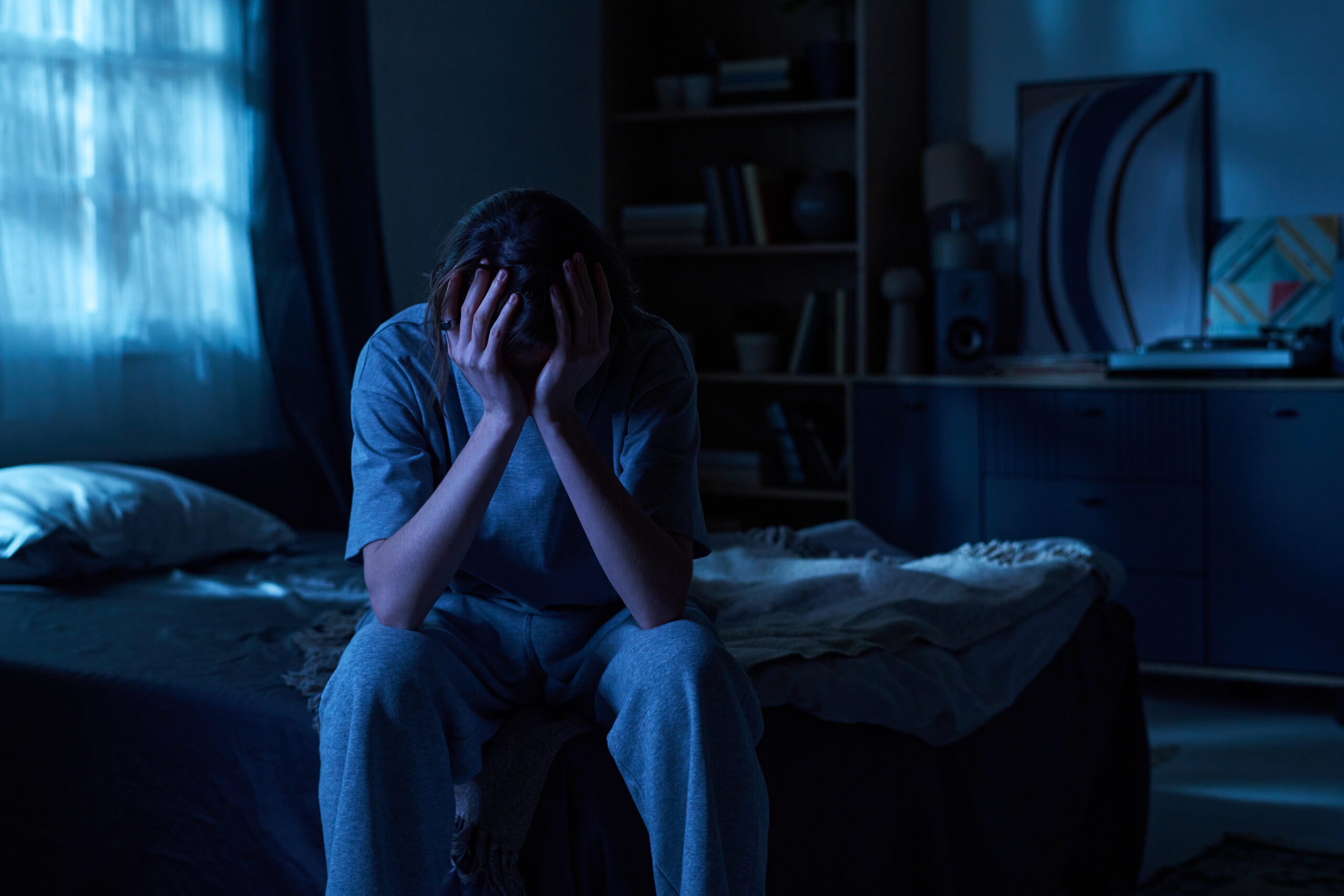
PTSD nightmares are distressing dreams associated with trauma-related memory, fear, or physiological alarm. Some dreams closely resemble what happened, while others change the people, place, or sequence but preserve the feeling that danger is happening again.
Nightmares are one possible intrusion symptom of PTSD, alongside unwanted memories and flashbacks, but nightmares alone do not establish a diagnosis. The larger pattern matters, including frequency, distress after waking, avoidance of sleep, and the effect on daily functioning.
PTSD nightmares may involve:
- A recognizable part of the traumatic experience that feels unusually vivid.
- A different setting that carries the same fear, powerlessness, shame, or sense of being trapped.
- Waking with physical alarm before clearly remembering what the dream contained.
- A repeating dream that changes slightly but seems to move toward the same threatening ending.
- Fragments of sound, movement, or sensation that remain upsetting when the full dream cannot be recalled.
- Fear that returning to sleep will cause the dream to begin again.
Why Can a PTSD Nightmare Feel Real After You Wake Up?
During a nightmare, the brain and body can respond to perceived threat before conscious thinking has fully recognized the present environment. The eyes may open while the heart, breathing, muscles, and attention are still organized around escape or protection.
Knowing that the dream was not happening in the room does not always switch off that response immediately. Orientation often happens in layers: noticing the room, recognizing the date and location, and allowing the body time to catch up with what the mind knows.
After waking, someone may notice:
- A pounding or unusually noticeable heartbeat.
- Sweating, shaking, or feeling suddenly hot or cold.
- Tightness in the chest, jaw, shoulders, or hands.
- Confusion about where they are or how much time has passed.
- An urge to turn on every light, leave the room, or check that the environment is safe.
- Difficulty lying down again after recognizing that the nightmare has ended.
The difficulty settling after waking may also connect with PTSD hypervigilance, in which the mind and body continue monitoring for possible danger.
What the Mind May Say After a Nightmare
The first thoughts after waking often try to explain the alarm or prevent it from happening again. Because the body is still activated, those thoughts may sound absolute, urgent, or self-critical rather than balanced.
Treating every thought as an instruction can pull you further into the dream’s logic. Naming the thought as part of an alarm response can create a small amount of distance without requiring you to argue with it.
The experience may sound like:
- “I cannot let myself fall asleep again.”
- “If I close my eyes, I will be back there.”
- “I should be over this by now.”
- “Something bad is about to happen.”
- “I need to check the room one more time.”
- “Tomorrow is already ruined because I will not be able to function.”
- “If I tell someone, I will have to explain everything that happened.”
How Fear of Sleep Can Become Part of the Cycle
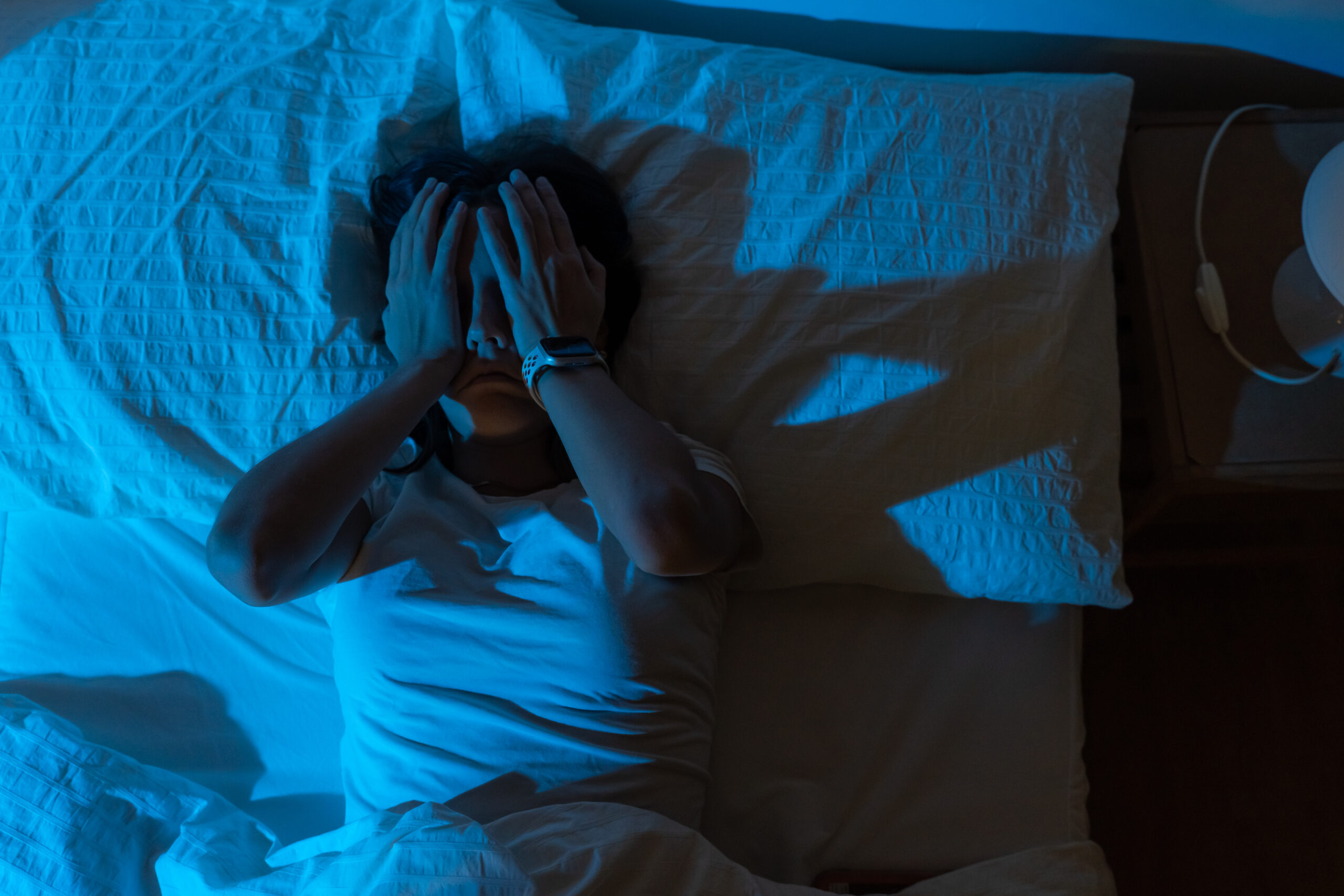
After repeated nightmares, bedtime can begin to feel like exposure to danger rather than an ordinary transition into rest. Staying awake then feels protective because it postpones the possibility of dreaming, even when the person is already exhausted.
The relief created by delaying sleep can reinforce the pattern for another night. Over time, the original nightmare may be joined by clock watching, tension before bed, monitoring for signs of sleep, and fear about how exhaustion will affect the next day.
Fear of sleep may lead to:
- Scrolling, working, or watching television until exhaustion makes staying awake impossible.
- Keeping lights, sound, or a screen on because quiet feels too unguarded.
- Sleeping in short stretches and repeatedly checking the time.
- Avoiding the bedroom, a sleeping position, or other cues associated with the nightmare.
- Using constant activity during the day to avoid thinking about the coming night.
- Canceling plans because the next day is organized around expected fatigue.
Why Repeated Checking Can Keep the Alarm Active
Checking a door, window, phone, or family member once may help you orient after waking, but repeated checking can quietly teach the mind that safety has not yet been established. Each additional check may provide brief relief while preserving the question that produced it.
The goal is not to forbid every practical check or shame yourself for needing reassurance. It is to notice when checking stops providing new information and begins serving the impossible demand to feel completely certain before resting.
Repeated safety behaviors may include:
- Walking through the home several times after the environment has already been checked.
- Replaying the dream to determine whether it was a warning or prediction.
- Searching online for the meaning of every image or physical sensation.
- Asking someone repeatedly to confirm that nothing happened while you were asleep.
- Monitoring heartbeat or breathing until normal variation begins to feel threatening.
- Keeping yourself alert so you can notice danger before anyone else does.
What Can Help in the First Few Minutes After Waking?
The first task after a nightmare is orientation rather than interpretation. Trying to understand every image while the body is still activated may keep attention anchored to the dream instead of helping you reconnect with the room around you.
Choose one or two responses that feel believable and repeatable at night rather than expecting yourself to complete a perfect calming routine. A grounding step can be useful even when fear remains because success is measured by contact with the present, not immediate relaxation.
You might try:
- Name where you are, the current date, and one fact confirming that the nightmare has ended.
- Place both feet on the floor or press your hands against a steady surface and notice its support.
- Look for three familiar details, such as the doorway, a lamp, or the color of the wall.
- Let the exhale become slightly longer than the inhale without forcing an exaggerated breath.
- Take a sip of water or use a cool cloth if temperature helps mark the change in context.
- Repeat one present-focused sentence, such as “I am in my room, and I am waking from a dream.”
- Write one brief note only if it helps set the dream down rather than pulling you into detailed review.
Why “Just Think About Something Else” May Not Work
Pushing the nightmare away can bring temporary relief, but it also requires checking whether the memory or feeling has returned. That monitoring may keep the dream mentally active and make its reappearance feel like evidence that you have lost control.
A more flexible response is to name what remains without forcing either a detailed retelling or complete suppression. You might notice, “I woke up afraid, my chest is tight, and I am in my bedroom now,” allowing fear and present-day information to exist together.
A less demanding response may involve:
- Naming the emotion without deciding what the entire dream means.
- Noticing one physical sensation without scanning the whole body for danger.
- Allowing an incomplete memory to remain incomplete for the night.
- Postponing interpretation until daytime, when attention is less narrowed by alarm.
- Reminding yourself that remembering a nightmare is not the same as reliving the event.
How PTSD Nightmares Can Affect the Following Day
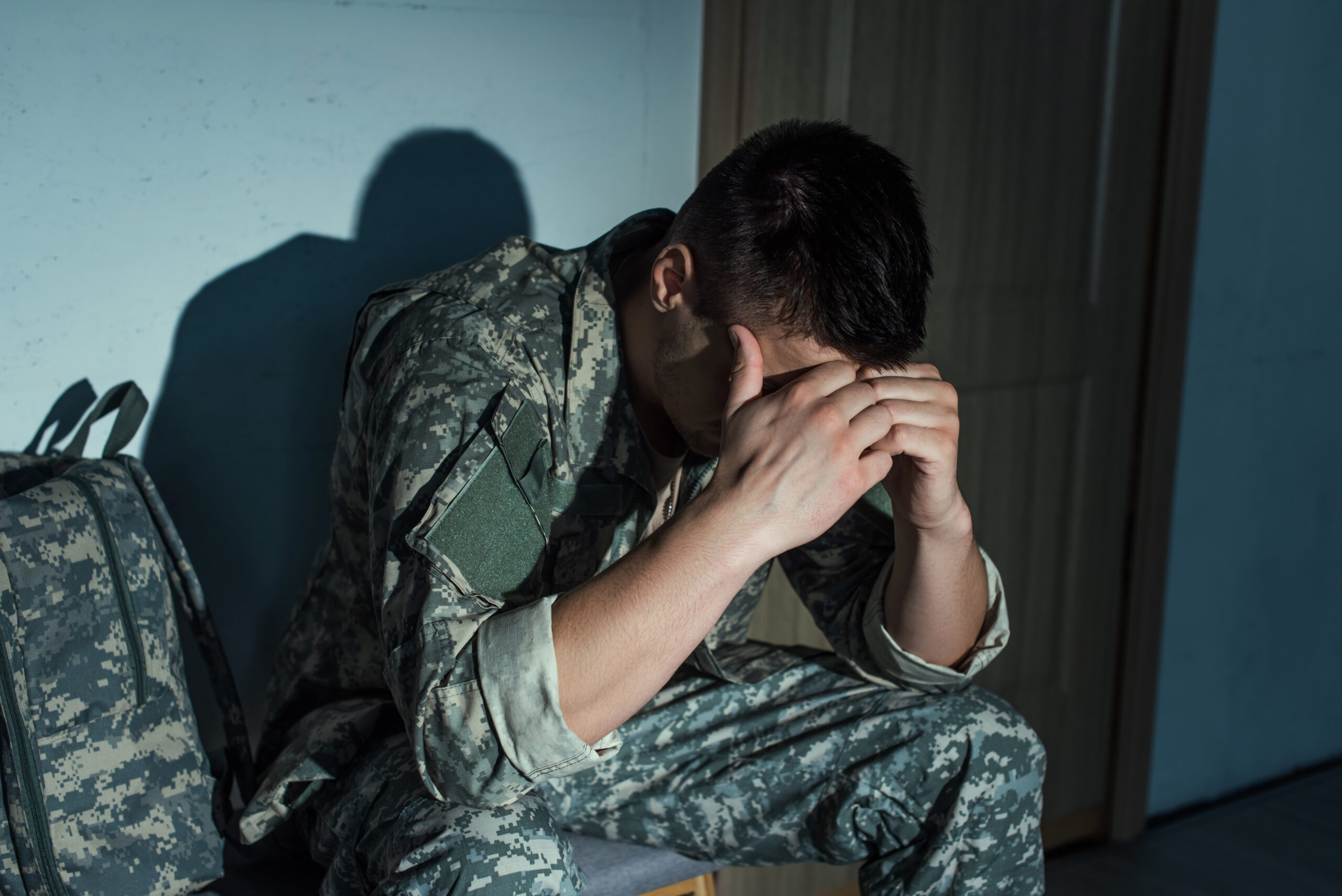
A nightmare may end when you wake, but its effects can continue through concentration, patience, appetite, work, and relationships. Some people feel exposed and shaky, while others become numb, irritable, or determined to stay busy so the dream cannot catch up with them.
The National Center for PTSD notes that posttraumatic nightmares are associated with daytime distress and impaired functioning. Looking at the full twenty-four-hour pattern can be more useful than treating the nightmare as an isolated event that matters only during sleep.
The next day may involve:
- Difficulty concentrating on conversations, instructions, or ordinary decisions.
- Irritability or jumpiness that seems larger than the situation in front of you.
- Emotional numbness used to get through responsibilities without feeling overwhelmed.
- Avoidance of people, places, sounds, or topics connected to the dream.
- Shame about appearing tired, distracted, or less productive than usual.
- Greater reliance on caffeine, constant activity, or distraction to push through the day.
Build a Steadier Transition Into Sleep
A predictable evening routine cannot guarantee that a nightmare will not occur, and it should not become another performance you must complete perfectly. Its purpose is to reduce unnecessary decisions and help the body recognize that the day is changing rather than demand immediate calm.
General sleep habits can support a steadier transition, but they do not replace attention to the trauma-related fear surrounding sleep. The most useful routine is simple enough to repeat on an imperfect night and flexible enough that missing one step does not feel dangerous.
A realistic transition might include:
- Write down unfinished responsibilities so they do not have to be held in working memory overnight.
- Choose one reasonable time to stop work, news, or emotionally intense content.
- Complete the same brief personal-care steps in a familiar order.
- Place one grounding object within reach without turning it into a requirement for safety.
- Reduce repeated checking while preserving any reasonable household routine.
- Choose a quiet activity that does not require achievement or constant attention.
- Keep the response flexible when travel, caregiving, work, or family needs disrupt the routine.
Notice Patterns Without Turning Sleep Into a Project
A brief record can help clarify whether nightmares follow certain reminders, conflicts, anniversaries, stressors, or changes in routine. The record becomes less useful when it turns into detailed nightly surveillance or another reason to evaluate whether sleep was performed correctly.
Focus on information that could guide a conversation with a therapist rather than trying to solve the entire pattern alone. A few observations about timing, intensity, waking responses, and daytime effects are often more manageable than reconstructing every image.
You might briefly note:
- Whether a nightmare occurred and approximately when you woke.
- The strongest emotion or body response present after waking.
- What you did next and whether it helped you orient to the room.
- Any obvious reminder or stressor from the previous day.
- How the interrupted sleep affected concentration, mood, or responsibilities.
- One question you may want to discuss in counseling.
A difficult interaction, anniversary, sound, or physical sensation from the previous day may function as one of several possible PTSD triggers, even when the connection is not immediately obvious.
How Counseling May Help With PTSD Nightmares
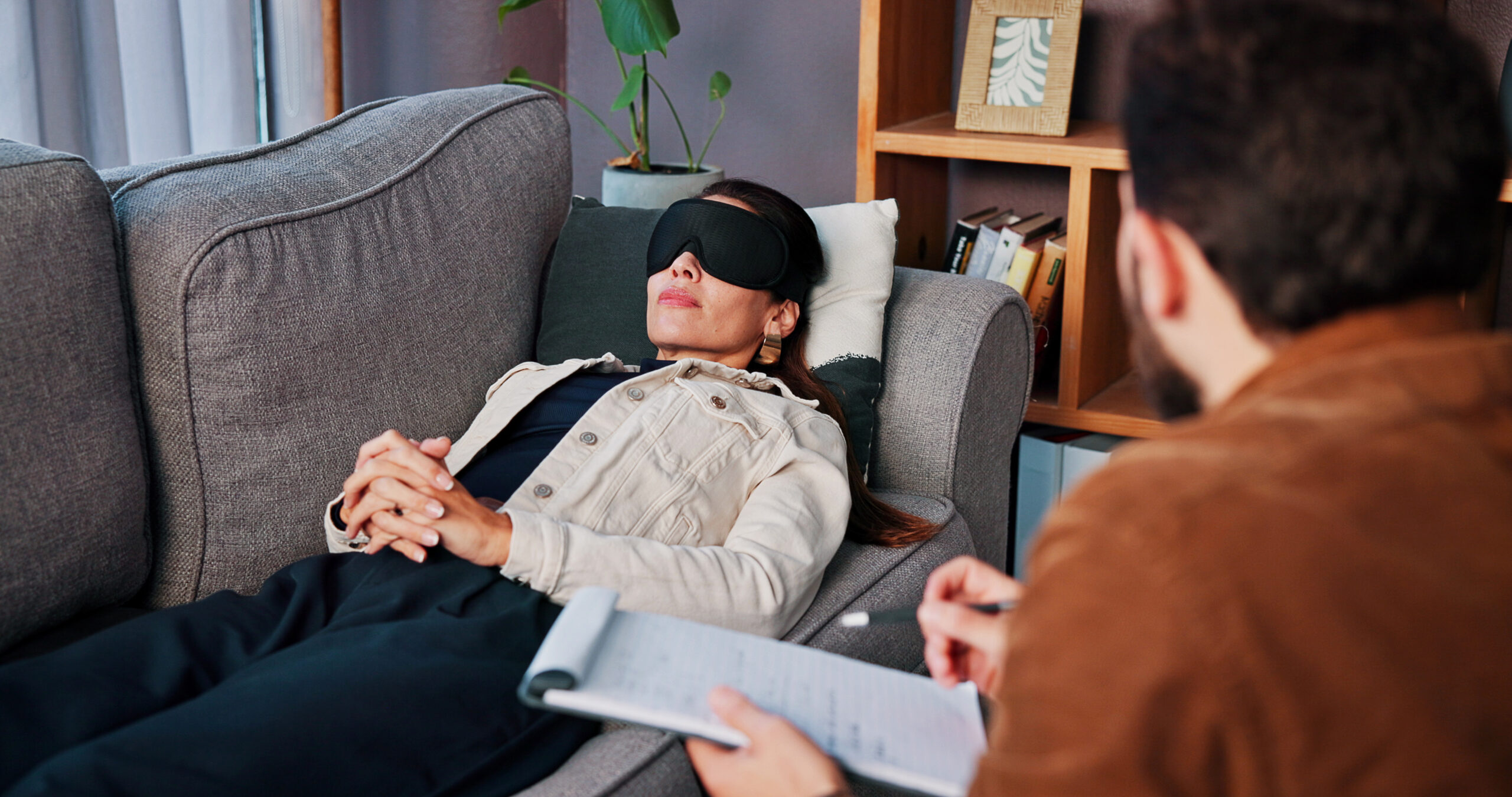
Counseling may begin by understanding what happens before sleep, during the awakening, and throughout the following day. Early work can focus on reducing shame, strengthening orientation skills, recognizing sleep-avoidance patterns, and creating responses that are realistic when you are already exhausted.
Trauma-focused counseling should not mean being pushed into details before there is enough trust, preparation, and agreement about the pace. Depending on your needs and the therapist’s training, the work may later address trauma-related beliefs, memories, or structured nightmare strategies without presenting any single method as a guaranteed solution.
Counseling may focus on:
- Identifying recurring nighttime triggers and the meanings attached to them.
- Practicing grounding responses that match your actual reactions rather than a generic checklist.
- Examining beliefs such as “sleep is not safe” or “I should be over this.”
- Reducing repeated checking, reassurance seeking, and bedtime avoidance gradually.
- Developing a plan for difficult mornings when sleep has been interrupted.
- Addressing trauma-related memories when there is enough preparation and agreement.
- Reviewing whether a structured nightmare approach fits your goals and the therapist’s training.
Support for PTSD Nightmares Near Kohrville
For people in Kohrville, a difficult night may be followed by work, school routines, caregiving, or a commute through northwest Houston before the body has fully settled. Keeping the day moving can hide how much sleep loss, lingering alarm, and fear of the next night are affecting concentration, patience, and connection.
Kohrville residents may attend in-person counseling at Acceptance Path Counseling’s nearby Houston Willowbrook office or choose virtual counseling from within Texas when appropriate and available. The first conversation can begin with what nights and mornings feel like now without requiring a complete trauma account before trust has been established.
When to Consider Seeking Support
Consider speaking with a therapist when nightmares happen repeatedly, create dread about falling asleep, or affect concentration, patience, relationships, work, school, or everyday functioning. Support may also be useful when much of the evening is organized around staying awake, checking for danger, or preventing another dream.
You do not need to wait until every night becomes difficult or arrive with a complete explanation of the trauma. PTSD treatment in Houston Willowbrook can begin with the pattern that is most disruptive now and help you develop responses that feel usable before deeper work is considered.
Conclusion
PTSD nightmares can feel convincing because the body may respond to the dream before the mind has fully recognized the present. Fighting every image, sensation, or possibility of another nightmare can gradually turn sleep into another situation that must be controlled.
For people in Kohrville and throughout Houston Willowbrook, a more sustainable response may begin with understanding the alarm rather than judging it. Present-focused grounding, fewer repeated checks, a realistic transition into sleep, and counseling support can create more room for rest while trauma is approached at a manageable pace.
FAQs
Is counseling for PTSD nightmares available near Kohrville?
Yes. Acceptance Path Counseling supports people near Kohrville and throughout Houston Willowbrook who experience trauma-related nightmares, fear of sleep, repeated waking, or daytime distress after difficult dreams. Counseling can begin with the current sleep pattern without requiring you to explain the full trauma in the first session.
Can Kohrville residents attend PTSD counseling in person or online?
Yes. Kohrville residents may attend in-person sessions at the nearby Houston Willowbrook office or choose virtual counseling from within Texas when appropriate and available. The team can discuss current scheduling options and help you determine which format may fit your needs.
When should someone near Kohrville seek support for PTSD nightmares?
Consider seeking support when nightmares repeatedly interrupt sleep, create dread about bedtime, or affect concentration, relationships, work, school, or ordinary routines. Counseling may also be helpful when checking, reassurance seeking, or staying awake has become the main way you try to prevent another nightmare.
Are PTSD nightmares always exact replays of trauma?
No. Some nightmares repeat recognizable parts of a traumatic experience, while others use different scenes but carry similar fear, helplessness, shame, or urgency. A dream does not need to reproduce the event exactly to feel connected to trauma.
Can PTSD nightmares begin long after a traumatic experience?
Trauma-related symptoms can become noticeable at different times, including during later stress, change, or reminders of what happened. One symptom does not automatically confirm PTSD, but a therapist can help explore the larger pattern and its effect on daily life.