

What Is Anxiety?

Anxiety is a common human experience, but it does not always look the way people expect.
While occasional anxiety is a natural response to stress or uncertainty, ongoing anxiety can begin affecting emotional well-being, physical health, and daily functioning.
Here is what anxiety often involves:
- Persistent Worry: Ongoing concerns that feel difficult to control, even when there is no immediate threat present.
- Emotional Tension: Feeling nervous, overwhelmed, or constantly “on edge” throughout the day.
- Mental Exhaustion: Spending significant energy managing worries, fears, or anticipated problems.
- Physical Stress Responses: Experiencing symptoms such as muscle tension, headaches, or stomach discomfort related to anxiety.
For individuals and families in The Woodlands, understanding how anxiety develops is often the first step toward finding effective support and treatment options.
What Are the 5 Signs You Have Anxiety?
Anxiety often develops gradually, making it easy to mistake for everyday stress or exhaustion.
What begins as occasional worry can slowly become a pattern that affects thoughts, emotions, sleep, and daily responsibilities.
Here are some of the most common signs of anxiety:
- Constant Worry or Overthinking: Many individuals find themselves replaying conversations, anticipating worst-case scenarios, or struggling to stop worrying about future events.
- Restlessness or Feeling On Edge: Anxiety can create a persistent feeling of tension that makes it difficult to fully relax.
- Difficulty Concentrating: Racing thoughts and mental overwhelm may make it harder to focus on tasks or conversations.
- Changes in Sleep: Difficulty falling asleep, staying asleep, or waking up feeling mentally exhausted can be linked to anxiety.
- Increased Irritability or Feeling Easily Overwhelmed: Ongoing emotional stress may make everyday challenges feel more difficult to manage.
Recognizing these signs early may help individuals seek support before anxiety becomes more disruptive.
How Do I Know if My Anxiety Is Bad?

Many people wonder whether their anxiety is simply stress or something that may require additional support.
The answer often depends on how much anxiety is affecting everyday life, relationships, responsibilities, and emotional well-being.
Some signs that anxiety may require professional support include:
- Constant Worry That Feels Difficult to Control: Thoughts continue cycling through your mind despite efforts to redirect them.
- Avoiding Situations or Responsibilities: Anxiety may begin influencing decisions, routines, or social interactions.
- Frequent Emotional Exhaustion: Managing anxiety can become mentally draining over time.
- Sleep Disruption: Ongoing difficulty sleeping may begin affecting daily functioning.
- Relationship Strain: Anxiety may impact communication, patience, and emotional availability.
- Physical Symptoms Becoming More Intense: Physical signs of anxiety may become more frequent or noticeable.
When anxiety begins interfering with quality of life, therapy may help individuals better understand and manage their symptoms.
What Does Severe Anxiety Feel Like?
Severe anxiety can feel mentally and physically exhausting.
For many individuals, it feels as though the mind and body remain in a constant state of alertness, even when no immediate danger is present.
Common experiences associated with severe anxiety include:
- Racing Thoughts: Thoughts move quickly and may feel difficult to slow down.
- Overwhelming Fear or Panic: Anxiety can create intense feelings of fear, dread, or uncertainty.
- Difficulty Relaxing: The body may remain tense even during calm situations.
- Avoidance Behaviors: Individuals may begin avoiding situations that trigger anxiety.
- Fear of Losing Control: Some people worry that they will be unable to manage their emotions or reactions.
Understanding severe anxiety symptoms may help individuals recognize when professional support could be beneficial.
What Does Anxiety Feel Like Physically?
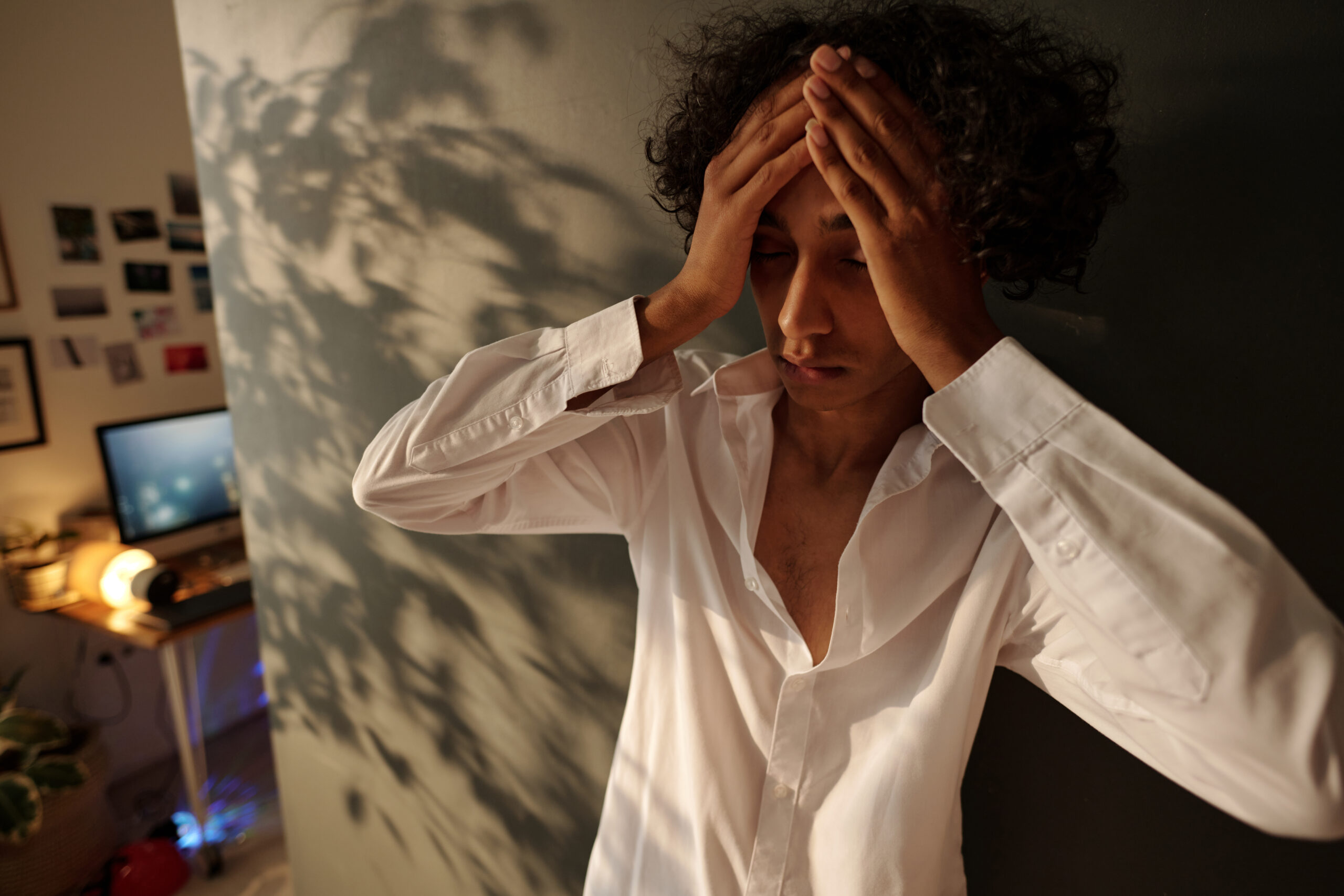
Many people are surprised to learn how strongly anxiety can affect the body.
Because anxiety activates the nervous system, physical symptoms often appear alongside emotional symptoms.
Common physical symptoms of anxiety may include:
- Increased Heart Rate or Heart Palpitations: The body prepares for a perceived threat by increasing alertness.
- Muscle Tension: Tightness in the shoulders, neck, chest, or jaw is common.
- Stomach Discomfort or Nausea: Anxiety frequently affects the digestive system.
- Headaches or Dizziness: Stress and tension may contribute to physical discomfort.
- Fatigue: Constant emotional and mental effort can leave individuals feeling exhausted.
Recognizing physical symptoms may help individuals better understand the connection between anxiety and overall health.
What Triggers Anxiety?
Anxiety rarely appears without a reason. For most people, it develops through a combination of stress, responsibility, uncertainty, and emotional overwhelm that builds over time.
While some triggers are obvious, others develop gradually through everyday pressures and life experiences.
Here are some of the most common anxiety triggers:
- Work-Related Stress or Burnout: Ongoing pressure at work, demanding schedules, or unrealistic expectations can gradually increase anxiety symptoms.
- Relationship Conflict: Challenges with partners, family members, or friends may create emotional tension and uncertainty.
- Financial Pressure: Concerns about money, debt, or future stability may contribute to ongoing stress.
- Major Life Transitions: Moving, changing careers, becoming a parent, or ending a relationship can create uncertainty.
- Health Concerns: Personal or family health issues may increase worry and emotional strain.
- Social Situations or Social Pressure: Fear of judgment or performance expectations can trigger anxiety.
- Lack of Sleep: Poor sleep often increases emotional sensitivity and stress.
- Chronic Stress: Long-term stress can keep the nervous system in a heightened state of alertness.
Understanding personal triggers can help individuals recognize patterns and develop healthier coping strategies.
What Causes Anxiety?

Anxiety rarely develops from a single factor.
Instead, it often results from a combination of biological, psychological, and environmental influences.
Some common factors that may contribute to anxiety include:
- Genetics or Family History: Anxiety may be more common among individuals with a family history of anxiety disorders.
- Chronic Stress: Ongoing stress can increase emotional and physical strain over time.
- Traumatic Experiences: Past experiences may influence how individuals respond to stress and uncertainty.
- Nervous System Sensitivity: Some individuals naturally respond more intensely to stress.
- Major Life Changes: Significant transitions can contribute to feelings of instability or uncertainty.
- Unresolved Emotional Experiences: Lingering emotional challenges may continue influencing anxiety symptoms.
Understanding potential causes may help individuals better understand their experiences and identify areas for growth and support.
How Therapy for Anxiety Can Help
Therapy should never feel like someone simply telling you to stop worrying.
Anxiety often develops through patterns of thoughts, emotions, and behaviors that become difficult to interrupt without support and guidance.
Depending on an individual’s needs, therapy may help with:
- Identifying Triggers: Recognizing situations or experiences that contribute to anxiety.
- Managing Overwhelming Thoughts: Learning strategies to reduce the impact of anxious thinking patterns.
- Reducing Avoidance Behaviors: Building confidence in situations that may currently feel overwhelming.
- Improving Emotional Regulation: Developing healthier ways to respond to stress and anxiety.
- Building Coping Skills: Learning practical techniques for managing difficult emotions.
- Strengthening Communication: Improving the ability to express needs, concerns, and emotions.
- Increasing Self-Awareness: Better understanding personal patterns, reactions, and emotional experiences.
- Improving Stress Management: Developing sustainable strategies for managing everyday stress.
Over time, many individuals feel more confident, emotionally balanced, and better equipped to manage anxiety.
When to Seek Professional Support for Anxiety
Many people wait until anxiety feels overwhelming before considering support.
However, counseling may be beneficial long before symptoms reach that point.
Professional support may be helpful if:
- Anxiety Feels Persistent or Difficult to Manage: Symptoms continue despite efforts to cope independently.
- Sleep Is Being Affected: Anxiety regularly interferes with rest and recovery.
- Relationships Are Experiencing Strain: Emotional stress begins affecting interactions with others.
- Daily Responsibilities Feel Overwhelming: Anxiety makes it difficult to focus or function effectively.
- Physical Symptoms Are Becoming More Frequent: Anxiety-related physical discomfort becomes increasingly noticeable.
Seeking support early may help individuals develop healthier emotional patterns and coping strategies.
Finding Anxiety Support in The Woodlands
Individuals and families throughout The Woodlands, Shenandoah, Oak Ridge North, and nearby communities may experience anxiety differently, but support is available. Therapy can provide a safe and supportive space to better understand emotions, develop coping tools, and work toward improved mental wellness.
Whether anxiety feels mild, persistent, or overwhelming, our local services may help individuals better understand anxiety, develop healthier coping strategies, and work toward improved emotional well-being.
FAQs
How can therapy for anxiety help individuals in The Woodlands?
Therapy for anxiety can help individuals in The Woodlands better understand their emotional triggers, manage overwhelming thoughts, and develop healthier coping strategies. Many people benefit from having a supportive space to process stress, improve emotional regulation, and build confidence in daily life.
When should someone in The Woodlands seek professional support for anxiety?
Professional support may be helpful when anxiety begins affecting sleep, relationships, work performance, or overall well-being. Individuals throughout The Woodlands may benefit from therapy if they feel constantly overwhelmed, emotionally exhausted, or unable to manage stress on their own.
What types of therapy for anxiety are available near The Woodlands?
Several therapy approaches may help individuals experiencing anxiety, including cognitive behavioral therapy (CBT), mindfulness-based techniques, talk therapy, and supportive counseling. Individuals throughout The Woodlands may benefit from different approaches depending on their symptoms, emotional needs, and personal goals.