
Understanding ADHD in Children
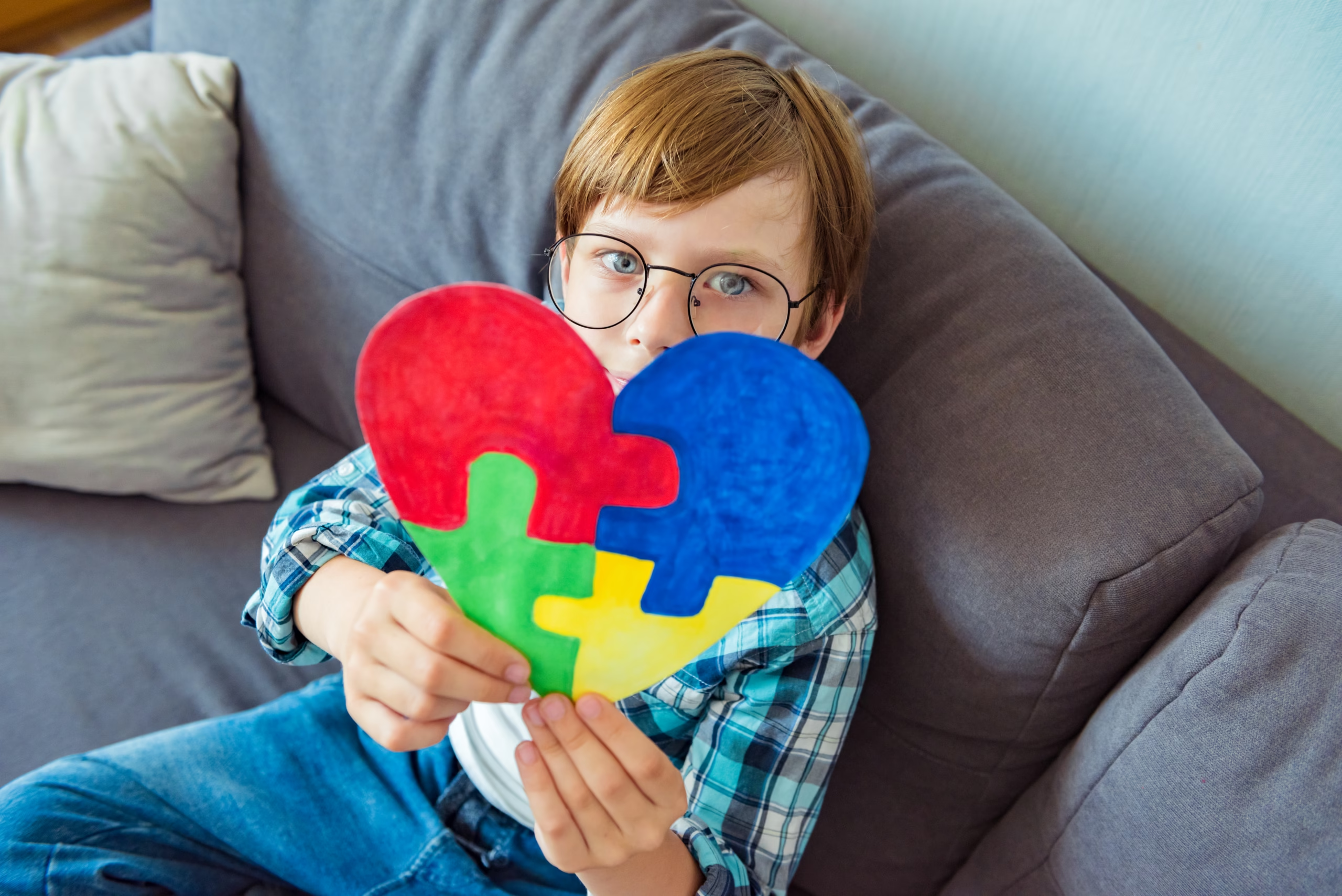
Attention deficit hyperactivity disorder (ADHD) is a neurodevelopmental condition that affects the brain and its development, impacting a child’s ability to focus, control impulses, and regulate activity levels. These symptoms can impact a child’s ability to perform academically and manage daily tasks, as well as affect learning, behavior, and emotional well-being.
Because ADHD manifests differently in each child, and some may be unable to sit still or focus due to their symptoms, understanding the unique challenges your child faces is crucial for effective treatment.
Signs Your Child May Need ADHD Treatment Without Medication

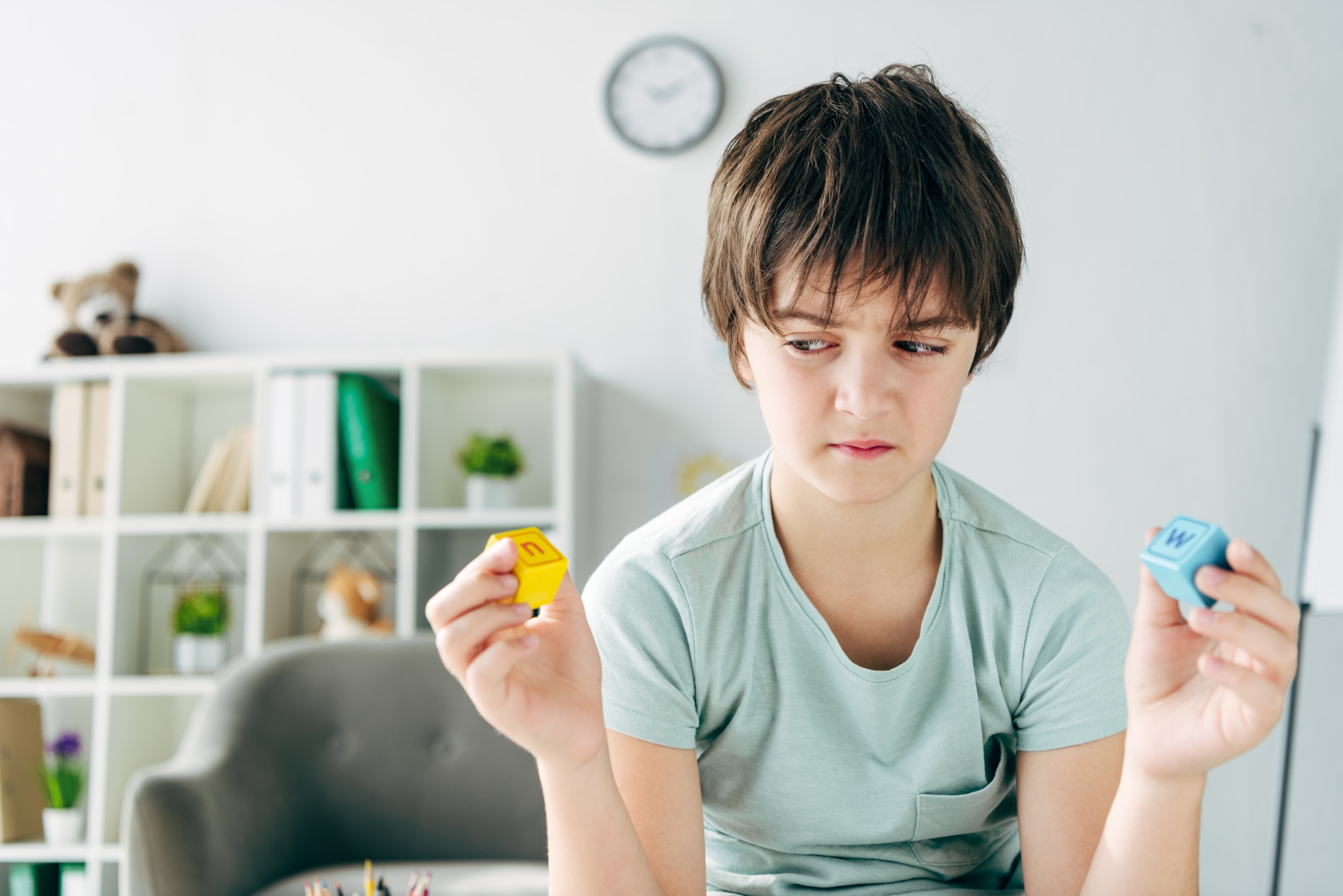
Children with ADHD often exhibit inattention, impulsivity, and hyperactivity, which can make it difficult for them to focus and complete assignments. They may also struggle with emotional regulation, academic challenges, restlessness, social difficulties, and rushing through tasks that lead to careless mistakes, so recognizing these signs early helps parents seek timely support tailored to their child’s specific needs.
Key signs to watch for include:
Difficulty sustaining attention in tasks or play activities
Frequently making careless mistakes in schoolwork
Often acting without thinking or acting impulsively
Trouble organizing tasks and activities
Avoiding tasks that require sustained mental effort
Losing things necessary for tasks or activities
Being easily distracted by extraneous stimuli
Fidgeting, tapping hands or feet, or squirming in seat
Difficulty remaining seated when expected
Talking excessively and interrupting others
Struggling with emotional regulation and frustration
Challenges in social interactions and making friends
Types of ADHD Treatment Without Medication for Kids
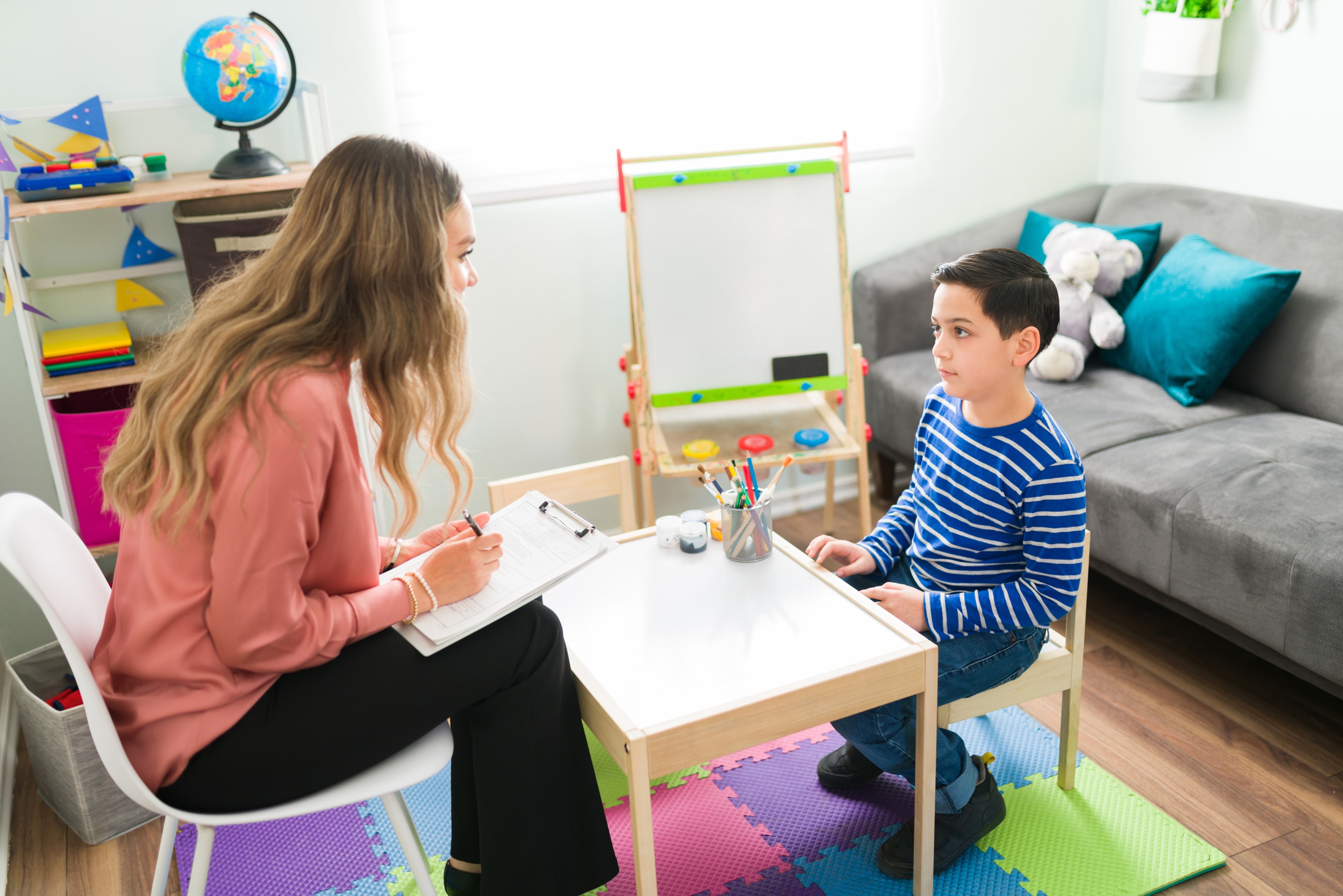
Effective ADHD treatment often involves a combination of behavioral therapy, parent training, school-based supports, ADHD therapy as a specialized treatment option, and sometimes medication. Skill-building activities targeting executive functioning can also empower children to manage their symptoms better and improve their daily functioning.
ADHD is treated with a combination of medication, therapy, and educational support to help manage symptoms and improve overall functioning. Professionals treat ADHD by developing individualized care plans tailored to each child’s unique needs. Clinics provide therapy and a range of services, including assessments, medication management, and educational support, to help children and families manage ADHD effectively.
Behavioral Therapy and Parent Support
Behavioral therapy teaches children coping strategies and organizational skills. It also helps parents respond to behavioral issues with consistency and calmness by focusing on:
Emotional safety
Boosting the child’s self-esteem
Supporting growth
Helping each child reach their full potential
School-Based ADHD Support in Champion Forest
Many children benefit from individualized education programs (IEPs) or 504 Plans that provide accommodations tailored to their learning needs. Collaboration with teachers and implementing classroom strategies can enhance focus and academic success for kids with ADHD.
Medication Considerations
Medication may be recommended as part of an ADHD treatment plan when symptoms significantly interfere with daily life. Different types of medications and drugs, including both short-acting and long-acting options, are used to manage ADHD symptoms and improve focus, self-control, and organization.
Doctors carefully monitor and adjust these treatments to ensure safety and effectiveness, tailoring the approach to each child’s unique needs.
For many families, working with a therapist can help children develop emotional regulation, organizational skills, and confidence without relying solely on medication.
Mental Health and Emotional Support
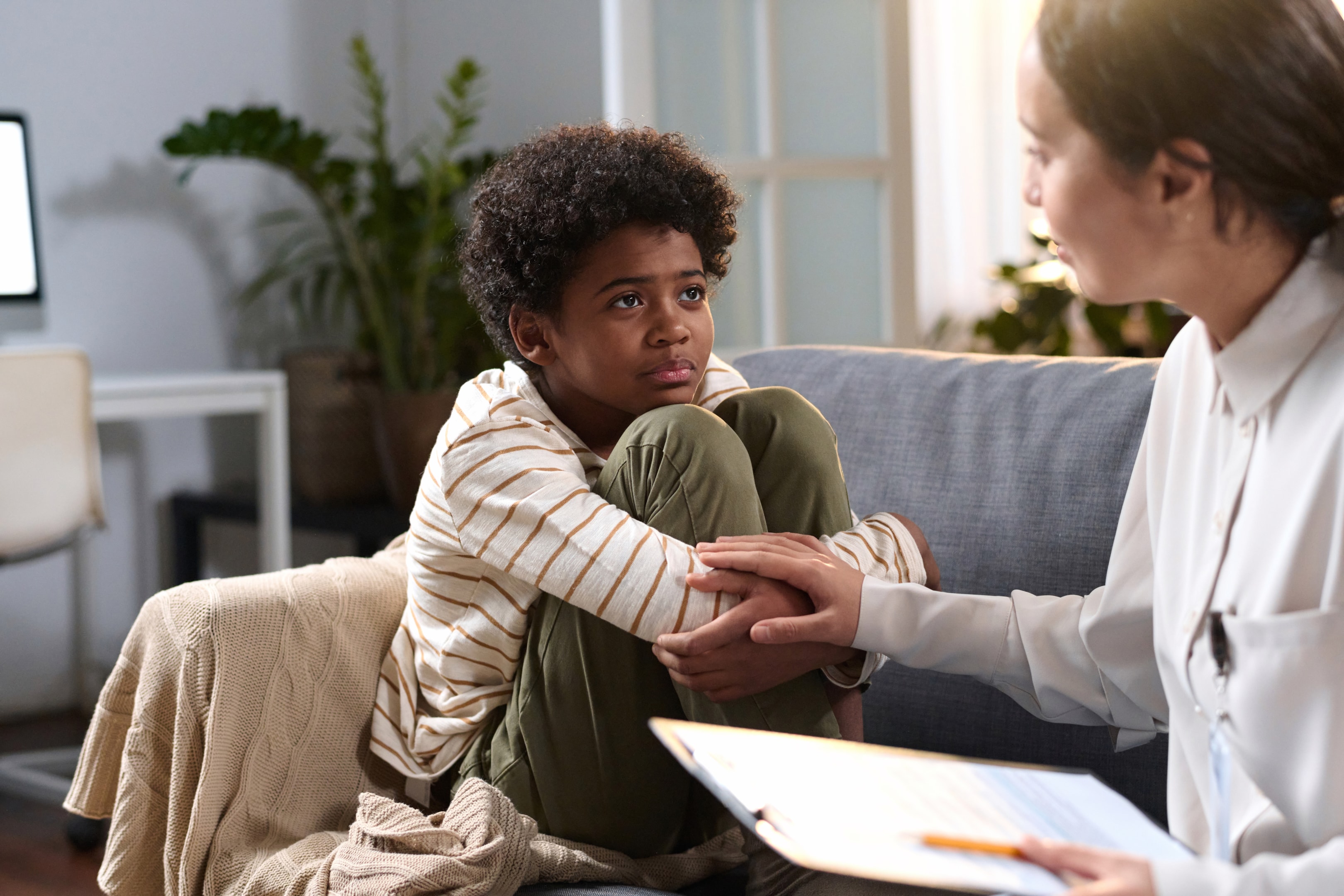
Children with ADHD often face anxiety, stress, and self-esteem challenges. Incorporating trauma-informed care and ongoing therapy can address these emotional aspects, offering long-term support beyond symptom management. Key emotional support strategies include:
Providing trauma-informed care tailored to each child’s experiences
Offering ongoing individual and family therapy to address emotional needs
Supporting anxiety and stress management through coping skills training
Building the child’s self-esteem with positive reinforcement and encouragement
Creating a safe and understanding environment for emotional expression
Coordinating care with mental health professionals for comprehensive support
Monitoring emotional progress regularly to adjust treatment plans accordingly
Supporting Your Child at Home
Creating consistent routines, using visual schedules, and setting clear expectations help children manage their behaviors. Breaking tasks into smaller steps and providing regular feedback further support progress.
Key strategies for managing ADHD symptoms at home include:
Establishing routines
Using visual aids
Setting clear expectations
Breaking tasks into steps
Offering regular feedback
Positive reinforcement and strong family connections build confidence and resilience. Encourage open communication by listening to your child’s needs and concerns, fostering understanding as part of effective ADHD treatment for kids in Champion Forest.
Helping Families Navigate the ADHD Journey
Reducing feelings of shame and overwhelm is vital for families coping with ADHD. Encouraging education about the disorder, advocating for your child’s needs, and building a supportive community can make the journey more manageable and hopeful.
Summary
ADHD treatment for kids in Champion Forest is most effective when tailored to the child’s unique symptoms and circumstances. Early, compassionate support empowers children and families to overcome challenges and achieve success in all areas of life.
Having access to care close to home often makes it easier for families to stay consistent with treatment and school collaboration.
Work With a Therapist Near Champion Forest
If you’re looking for ADHD counseling or mental health services, you can learn more about how Acceptance Path Counseling supports families in the Houston–Willowbrook area by visiting our location page. There you’ll find details about in-person and online counseling options and how to get started.
FAQs
What is the most effective treatment for ADHD in children?
Effective ADHD treatment often includes behavioral therapy, school-based support, and, in some cases, medication—tailored to each child’s needs.
At what age can ADHD be diagnosed and treated?
ADHD can be identified and treated as early as preschool age, with approaches adapted to a child’s developmental stage.
Is medication necessary for every child with ADHD?
No. Many children benefit from therapy and educational support without medication, depending on symptom severity.
Where can my child receive ADHD support near Champion Forest?
Acceptance Path Counseling supports families in Champion Forest and the Houston–Willowbrook area with therapy-based ADHD care.
Can therapy help manage ADHD without medication?
Yes. Behavioral therapy, parent support, and school collaboration can help many children manage ADHD symptoms without medication.
When should parents seek professional ADHD support?
If ADHD symptoms affect learning, behavior, or emotional well-being, early professional support can make a meaningful difference.