
Why Panic Attacks Feel So Scary
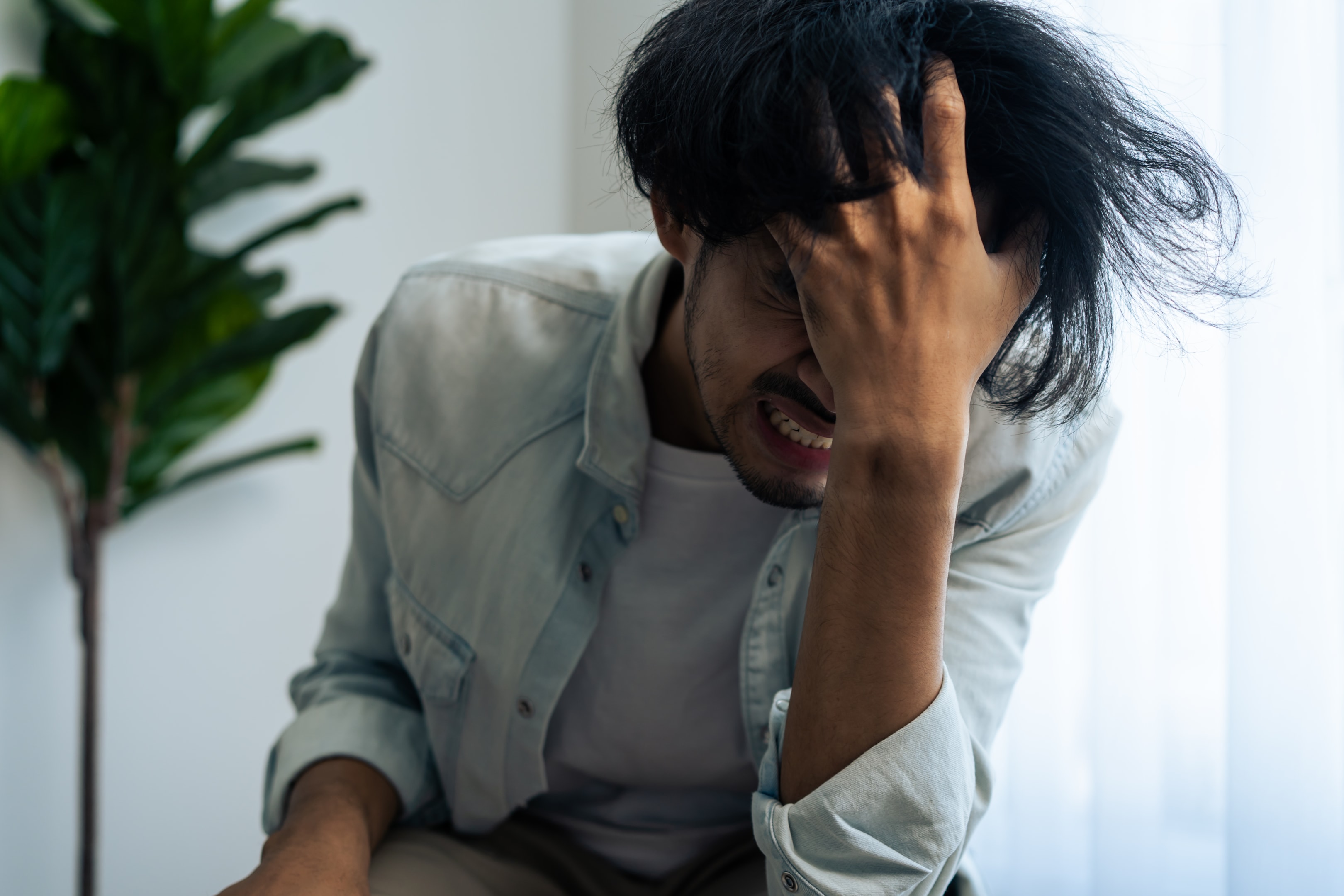
One of the most confusing parts of a panic attack is that your body reacts as though you’re in immediate danger, even when you’re actually safe.
Your heart races, your breathing changes, your muscles tense, and your mind begins searching for an explanation. Because these sensations appear so suddenly, many people worry they’re having a heart attack, losing control, or facing another medical emergency.
Although panic attacks feel overwhelming, they’re the result of your body’s natural fight-or-flight response becoming activated when there isn’t a real physical threat.
Understanding that difference doesn’t instantly stop panic, but it often helps people feel less afraid of what they’re experiencing.
What’s Happening During a Panic Attack?
During a panic attack, your nervous system shifts into survival mode.
Instead of focusing on what’s actually happening around you, your brain becomes highly alert for signs of danger. That heightened awareness makes normal physical sensations feel much more intense.
Many people experience:
- A racing or pounding heartbeat.
- Shortness of breath or the feeling that they can’t get enough air.
- Chest tightness or discomfort.
- Shaking, sweating, or chills.
- Dizziness or lightheadedness.
- Tingling sensations in the hands or face.
- Feeling detached from themselves or their surroundings.
- An overwhelming fear that something terrible is about to happen.
Even though these symptoms can feel frightening, they don’t mean you’re in immediate danger. They’re temporary responses created by an overactive stress response.
Why Panic Often Feeds on Itself
One reason panic attacks can feel so overwhelming is that fear often creates even more fear.
The cycle frequently looks like this:
- You notice a physical sensation, such as a racing heart.
- Your brain interprets that sensation as dangerous.
- Anxiety increases.
- Physical symptoms become stronger.
- Those stronger sensations create even more fear.
Before long, it can feel like panic is completely out of your control.
Breaking this cycle doesn’t happen by eliminating every physical sensation. It begins by changing how you respond to those sensations.
Common Triggers That Can Contribute to Panic Attacks

Panic attacks don’t always have one obvious cause. Sometimes they happen unexpectedly, while other times they’re connected to situations, thoughts, or physical sensations that your brain has learned to associate with danger.
Common triggers may include:
- Ongoing stress or emotional overwhelm.
- Major life transitions or uncertainty.
- Certain places or situations where panic has happened before.
- Physical sensations such as a racing heart after exercise or drinking caffeine.
- Sleep deprivation or prolonged fatigue.
- Health anxiety or worrying about physical symptoms.
Recognizing possible triggers isn’t about avoiding life. It’s about understanding your patterns so they feel less mysterious and easier to manage.
Why the Fear of Another Panic Attack Can Become the Bigger Problem
For many people, the panic attack itself isn’t what changes daily life the most.
Instead, it’s the constant worry that another one might happen.
You may begin avoiding crowded places, long drives, social events, or situations where you think it would be difficult to leave if panic returned. While avoiding those situations can provide temporary relief, it often reinforces the belief that they’re dangerous.
Over time, it’s often the fear of panic—not the panic itself—that starts limiting everyday life.
Understanding this pattern is an important step toward gradually rebuilding confidence and reducing avoidance.
Recognizing the Early Signs of a Panic Attack
For some people, panic attacks seem to come out of nowhere. Others notice subtle changes before the symptoms become overwhelming.
Learning to recognize these early signs can help you respond with greater awareness instead of immediately assuming something is seriously wrong.
Some common warning signs include:
- A sudden feeling that something doesn’t feel “right.”
- A racing heartbeat or increased awareness of your breathing.
- Feeling lightheaded, shaky, or unusually warm.
- Difficulty concentrating because your mind is scanning for danger.
- A growing urge to leave the situation or find a place where you feel safe.
- Worrying that the physical sensations are about to become worse.
Recognizing these signals isn’t about stopping every panic attack before it starts. It’s about understanding what your body is communicating so the experience feels less confusing and less frightening.
Practical Ways to Respond During a Panic Attack
When panic begins, your first instinct may be to make the feelings disappear immediately. While that’s completely understandable, trying to fight every sensation often makes your nervous system believe the danger is even greater.
Instead, the goal is to help your body recognize that it no longer needs to stay in survival mode.
Many people find these strategies helpful:
- Slow your breathing instead of forcing deep breaths. Gentle, steady breathing can help your body gradually settle without creating additional tension.
- Ground yourself in the present. Focus on what you can see, hear, or physically feel around you to shift your attention away from fearful thoughts.
- Remind yourself what is happening. Saying, “This is a panic attack. My body is responding to stress, and these feelings will pass,” can interrupt catastrophic thinking.
- Allow the sensations to rise and fall. Panic becomes less overwhelming when you stop treating every physical symptom as a sign of danger.
- Be patient with yourself. The goal isn’t to feel calm instantly. It’s to give your nervous system time to settle naturally.
These strategies won’t necessarily stop a panic attack immediately, but they can help reduce the cycle of fear that often keeps it going.
What Happens After a Panic Attack?
Many people expect to feel relieved once a panic attack ends. Instead, it’s common to feel physically tired, emotionally drained, or even frustrated that it happened at all.
Some people spend hours replaying the experience, wondering why it happened or worrying that another panic attack could happen at any moment. Others begin avoiding places or situations they now associate with panic.
After a panic attack, you may notice:
- Feeling exhausted or needing time to recover.
- Replaying the experience in your mind.
- Worrying about when the next panic attack might happen.
- Feeling embarrassed if the attack happened in public.
- Avoiding activities that remind you of the experience.
These reactions are understandable, but they don’t have to become permanent. Understanding what happened—and responding with curiosity instead of self-criticism—can make future panic attacks feel less overwhelming.
FAQs
Can I get help for panic attacks in The Woodlands?
Yes. If panic attacks are affecting your work, relationships, or everyday life, therapy can help you better understand your triggers while building practical coping strategies.
Do you offer both in-person and virtual therapy for panic attacks?
Yes. You can meet with a therapist at our The Woodlands office or participate in secure virtual sessions from anywhere in Texas. Many people appreciate having flexible options that fit their schedule, comfort level, and personal needs.
When should someone in The Woodlands seek therapy for panic attacks?
If panic attacks are becoming more frequent, causing you to avoid everyday situations, or making it difficult to manage work, relationships, or daily responsibilities, it may be time to seek professional support. Therapy can help you better understand panic while developing practical skills for long-term recovery.
Can panic attacks happen without warning?
Yes. Some panic attacks seem to occur unexpectedly, while others are connected to specific situations, thoughts, or physical sensations. Even when they feel sudden, many people learn to recognize subtle warning signs as they become more familiar with their own patterns.
Can panic attacks become less frequent over time?
Yes. Many people experience meaningful improvement as they learn to understand the panic cycle, respond differently to physical sensations, and gradually reduce avoidance. With consistent practice and evidence-based therapy, panic attacks often become less intense, less frequent, and less disruptive to everyday life.