
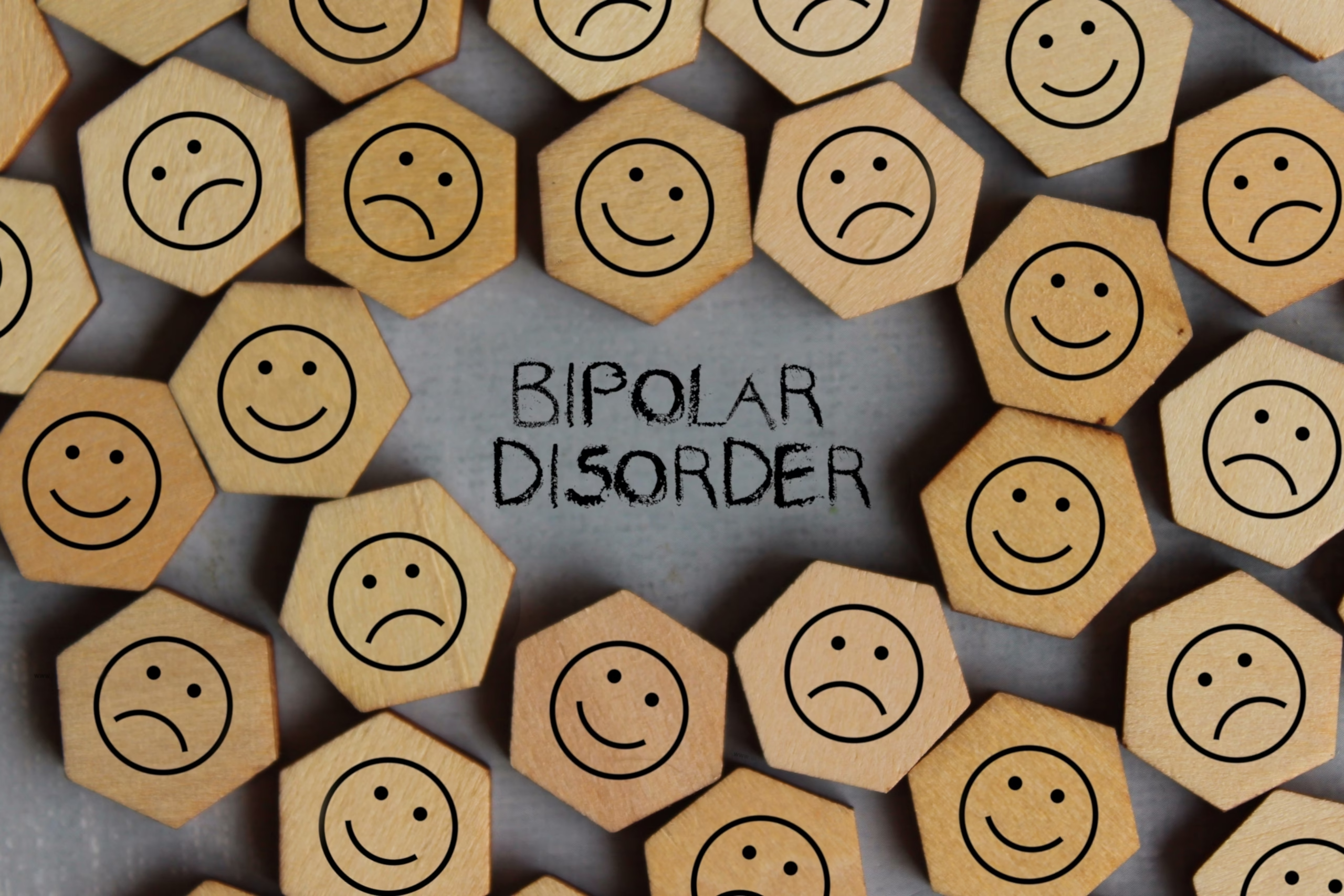
What Is Bipolar Disorder?
Bipolar disorder is a mental health condition marked by shifts in mood and energy. It includes manic episodes of high energy, hypomanic episodes with milder symptoms, and depressive episodes characterized by low mood.
These mood changes can impact emotions, behavior, and the ability to perform everyday activities. Understanding these patterns helps in recognizing the disorder.
Signs and Symptoms That May Lead to Testing

Intense mood swings between emotional highs and lows
Changes in sleep patterns and energy levels
Impulsive or risky behaviors during high mood phases
Periods of irritability, sadness, or emotional numbness
Persistent worry or anxiety that interferes with daily activities
Noticing these signs often prompts individuals to seek evaluation.
Is There a Bipolar Disorder Test?
While online screening tools exist, they only provide preliminary insight. A formal diagnosis requires clinical interviews and psychological evaluations conducted by qualified professionals. Various tests and assessments are used to ensure an accurate diagnosis and to help design a personalized treatment plan.
Comprehensive assessments consider symptom patterns, duration, and impact rather than relying on quick quizzes.
What to Expect During a Bipolar Disorder Evaluation
Detailed discussion of personal and family mental health history with experienced clinicians
Exploration of symptom patterns, frequency, and intensity
Exclusion of other conditions like depression or anxiety disorders
Potential coordination with medical providers for holistic care
This thorough approach ensures an accurate diagnosis.
Why Accurate Diagnosis Matters
Misdiagnosis can lead to ineffective or harmful treatments. An accurate diagnosis allows for an individualized treatment plan tailored to specific needs.
Proper management reduces risks associated with untreated bipolar disorder, such as worsening symptoms or impaired relationships. Accurate diagnosis ensures that bipolar disorder is properly treated for the best possible outcomes.
Managing Co-Occurring Conditions

Life rarely presents mental health challenges one at a time; conditions like bipolar disorder, anxiety, and ADHD often co-occur, creating complex symptoms that can be overwhelming.
Our team creates individualized treatment plans combining medication management tailored to your brain chemistry with therapy and evidence-based interventions. This holistic approach supports your personal goals and enhances your overall quality of life.
Next Steps After Testing
Engaging in talk therapy, psychotherapy, or counseling to develop coping strategies
Considering medication management when appropriate to stabilize mood, including adjusting dosages as needed
Establishing lifestyle routines that support emotional balance
Regular follow-up appointments to monitor progress and adjust treatment
These steps promote recovery and quality of life.
Mental Health Support
Cypress offers access to licensed mental health professionals who provide compassionate, trauma-informed care. Local mental health practices are dedicated to providing expert care and accessible care for all individuals seeking support. Services are tailored to individuals and families navigating mood disorders.
Local providers emphasize personalized treatment plans that respect each person’s unique experience.
For some people, working with a therapist can help clarify mood patterns and decide what kind of support may be helpful.
Supporting Loved Ones Through the Process

Foster open and honest conversations about mental health
Address stigma and fears related to testing and diagnosis
Offer empathy and understanding to those undergoing evaluation
Supportive environments help loved ones feel safe and valued. Families and providers should act as partners, working together to support individuals throughout the bipolar disorder test and the treatment process.
Living with Bipolar Disorder: Tips for Daily Management
Managing bipolar disorder involves more than treatment; it requires lifestyle adjustments and self-awareness. Maintaining a regular sleep schedule, monitoring mood changes, avoiding substance abuse, and practicing stress reduction techniques can greatly improve stability. Effective management can bring relief from symptoms and support the healing process.
Build a strong support network to aid long-term wellness.
Stay engaged with healthcare providers for ongoing care.
Recognize mood shifts early to enable timely treatment adjustments.
Maintain consistent communication with your care team.
Adjust treatment plans as needed to improve emotional balance and overall wellbeing.
Resources for Bipolar Disorder

Residents can access community resources such as support groups, educational workshops, and crisis intervention services for children, teens, adults, and parents managing mental health challenges. Additional support is available for first responders and individuals with autism spectrum disorders.
Mental health concerns such as persistent worry or panic disorder may accompany bipolar disorder, requiring a comprehensive evaluation.
Adolescents and adults experiencing mood swings or difficulty managing emotions can benefit from early testing and intervention.
Managing bipolar disorder often involves addressing co-occurring conditions like ADHD symptoms to create an effective treatment plan.
Patients who have tried multiple medications may find relief through personalized medication management and therapy options.
Support is available for individuals facing behavioral challenges, with access to qualified therapists offering both in-person and virtual counseling for flexibility. Assistance is also provided for those needing to switch medications, manage potential side effects, or find the right medication tailored to their unique needs.
Connecting with local organizations can enhance coping skills and foster a sense of community.
Summary
Testing for bipolar disorder is a crucial step toward understanding mood changes. Early, accurate assessment empowers Cypress residents to access effective mental health services and improve their well-being.
Having access to support close to home can make it easier to stay consistent with care after testing.
Work With a Therapist Near Cypress
If you’re looking for counseling or mental health services, you can learn more about how Acceptance Path Counseling supports adults in Cypress by visiting our local services page.
FAQs
Is there an online test for bipolar disorder?
Online tools can screen for symptoms but cannot replace a professional diagnosis.
How accurate are bipolar screening tools?
They provide initial guidance but require follow-up with clinical evaluation for accuracy.
Can bipolar disorder be misdiagnosed?
Yes, because symptoms overlap with other conditions, making professional assessment essential.
When should someone seek professional testing?
If mood swings disrupt daily life or cause concern, it’s important to consult a mental health provider.
Where can I talk to a therapist about bipolar disorder near Cypress?
Acceptance Path Counseling supports adults in Cypress who are seeking clarity around mood changes and next steps.
Can a therapist in Cypress diagnose bipolar disorder?
Therapists can assess symptoms and help guide next steps, though formal diagnoses may involve collaboration with medical providers.
What should I do if I think I may have bipolar disorder?
Speaking with a mental health professional can help you understand your symptoms and explore appropriate support options.