
What Is Bipolar Disorder?
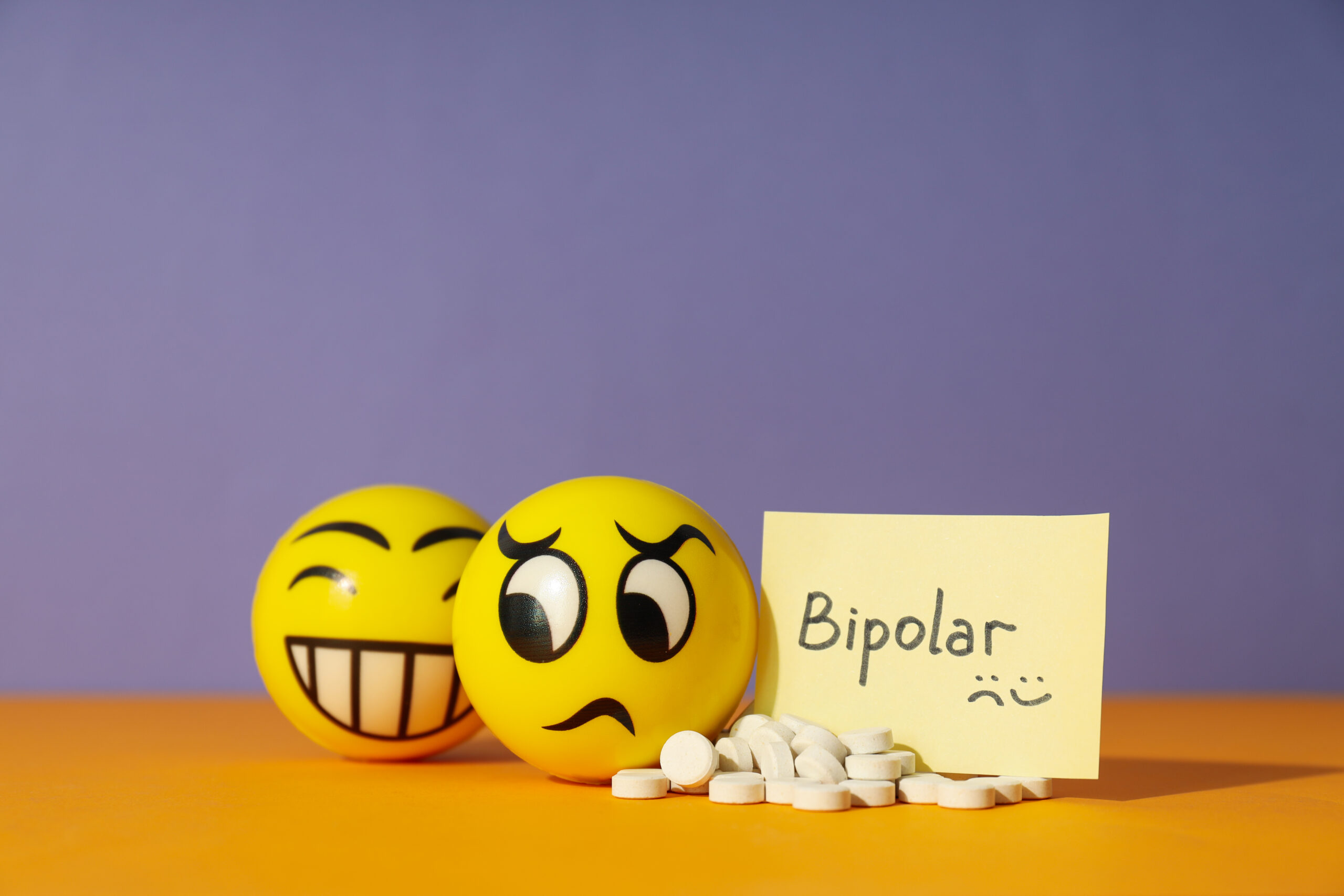
Bipolar disorder involves distinct episodes of unusually elevated, irritable, or depressed mood accompanied by changes in energy and activity. These episodes are more sustained and disruptive than the ordinary emotional shifts everyone experiences.
The condition can look different from one person to another, and not every episode includes the same symptoms. The National Institute of Mental Health describes bipolar disorder as involving clear changes in mood, energy, activity, concentration, and everyday functioning.
What Are the Early Signs of Bipolar Disorder?
Early signs are changes that may appear before a mood episode becomes more noticeable or disruptive. They can involve sleep, energy, communication, thought speed, confidence, irritability, motivation, or social behavior.
A single symptom cannot determine whether someone has bipolar disorder. The more useful questions are whether several changes occur together, continue over time, and represent a meaningful departure from the person’s usual behavior.
Possible early signs include:
- Sleeping much less without feeling tired
- Having unusually high energy
- Speaking faster or more frequently
- Experiencing racing or rapidly shifting thoughts
- Feeling unusually confident or powerful
- Becoming more irritable or argumentative
- Starting many projects at once
- Taking risks that are out of character
- Becoming unusually social or talkative
- Feeling restless or unable to slow down
- Withdrawing from people and activities
- Losing motivation or feeling persistently exhausted
- Moving between elevated and depressed periods
Early Signs of Mania or Hypomania
Elevated episodes do not always look like obvious happiness or excitement. They may appear as intense irritability, impatience, agitation, impulsivity, or an inability to slow down.
The change is usually noticeable compared with the person’s typical mood, energy, and behavior. Friends or family may recognize the difference before the person experiencing it believes anything is unusual.
Possible signs include:
- Reduced need for sleep: Someone may sleep only a few hours and still feel rested or energized.
- Rapid speech: The person may speak faster, interrupt more often, or feel pressure to keep talking.
- Racing thoughts: Ideas may arrive so quickly that it becomes difficult to focus on one subject or complete one task.
- Increased activity: Someone may take on numerous projects, reorganize their life suddenly, or remain active late into the night.
- Unusual confidence: The person may feel exceptionally capable, talented, important, or certain that plans will succeed.
- Impulsive decisions: Spending, travel, business, relationship, or other decisions may happen with less consideration of consequences.
- Heightened sociability: Someone may contact many people, become unusually outgoing, or share more personal information than usual.
- Intense irritability: Delays, disagreement, or attempts to slow things down may feel unusually frustrating.
- Distractibility: Attention may shift rapidly because every new idea or activity feels urgent or important.
Why Hypomania Can Be Easy to Miss

Hypomania involves an elevated or irritable period that is less severe than mania. It can still represent a clear change in sleep, energy, thought speed, confidence, activity, or behavior.
Because the person may feel productive, creative, or socially confident, the change may not initially seem concerning. It may only become recognizable after a depressive period follows or when the pattern begins affecting relationships and decisions.
Someone experiencing hypomania may think:
- “I finally feel like myself again.”
- “I do not need much sleep right now.”
- “My mind is working faster than everyone else’s.”
- “I have too many ideas to slow down.”
- “People are trying to hold me back.”
- “I can manage all of these projects at once.”
- “This decision cannot wait.”
Mania vs. Hypomania
Both mania and hypomania involve noticeable increases in mood, energy, or activity. The difference involves severity, duration, and how significantly the episode affects functioning.
Hypomania should not be dismissed as simply a positive mood, and bipolar II should not be described as a less important condition. Depressive episodes associated with bipolar II can still cause substantial distress and disruption.
| Feature | Hypomania | Mania |
|---|---|---|
| Mood and energy | Noticeably elevated, expansive, or irritable | More intensely elevated, expansive, or irritable |
| Change from usual behavior | Clear and observable | Clear, pronounced, and often more disruptive |
| Everyday functioning | May appear productive but still affect judgment or relationships | Often creates significant difficulty with responsibilities or safety |
| Awareness | The person may enjoy the change or see little reason for concern | Insight may become more limited as the episode intensifies |
| Bipolar pattern | Associated with bipolar II when depressive episodes are also present | A manic episode is central to bipolar I |
Early Depressive Signs
Bipolar disorder may also involve periods of depression marked by reduced energy, interest, hope, and engagement. For some people, the depressive periods are recognized long before anyone notices earlier elevated episodes.
Depression is not simply the opposite of feeling cheerful or energetic. It can affect motivation, concentration, sleep, self-worth, relationships, and the ability to complete everyday tasks.
Possible depressive signs include:
- Loss of interest: Activities, relationships, and goals that once mattered may feel emotionally distant.
- Low energy: Routine tasks may require much more effort than usual.
- Sleep changes: Someone may sleep more, struggle to fall asleep, wake frequently, or feel unrested.
- Slowed thinking: Finding words, making decisions, or following conversations may become difficult.
- Withdrawal: The person may avoid messages, plans, or contact because interaction feels exhausting.
- Hopelessness: The future may feel fixed, empty, or unlikely to improve.
- Changes in appetite: Eating patterns may increase or decrease during a depressive period.
- Self-criticism: Mistakes may feel like evidence of personal failure rather than ordinary human experiences.
- Difficulty functioning: Work, school, household responsibilities, and personal care may become harder to manage.
What Are Mixed Features?

Sometimes elevated and depressive symptoms occur during the same period rather than appearing as separate highs and lows. Someone might feel physically energized but emotionally hopeless, or experience racing thoughts alongside intense sadness.
These combinations can feel especially confusing because the person does not fit the familiar picture of being either “up” or “down.” Agitation, sleeplessness, rapid thoughts, despair, and irritability may occur together.
Mixed experiences may include:
- High energy with a depressed mood
- Racing thoughts with hopelessness
- Agitation with exhaustion
- Irritability with sadness
- Reduced sleep without feeling positive
- Impulsivity during emotional distress
- Feeling restless but unable to begin tasks
- Rapid speech focused on painful or fearful thoughts
Bipolar Symptoms vs. Everyday Mood Changes
Ordinary moods often shift in response to identifiable events and settle as the situation changes. Bipolar mood episodes tend to involve a broader combination of mood, sleep, energy, thinking, and behavioral changes.
The difference is not simply whether an emotion feels intense. Duration, departure from usual behavior, accompanying symptoms, and impact on everyday functioning all provide important context.
| Everyday mood change | Possible bipolar-related pattern |
|---|---|
| Mood changes after a stressful event | Mood and energy shift beyond what the situation would usually explain |
| A restless night leads to fatigue | Very little sleep occurs without expected tiredness |
| Excitement about one new idea | Many urgent projects or ideas begin at once |
| Occasional impulsive spending | Spending changes noticeably and creates consequences |
| Irritability during a difficult day | Irritability persists alongside sleep, speech, energy, or activity changes |
| Sadness improves with time or support | Depression continues and disrupts motivation or functioning |
Why Patterns Matter More Than Individual Symptoms
Many people occasionally sleep poorly, feel energetic, talk quickly, spend impulsively, or become irritable. These experiences become more concerning when several occur together and represent a clear departure from someone’s typical baseline.
Looking at the entire pattern prevents one behavior from being taken out of context. It also reduces the risk of treating a stressful week or enthusiastic mood as proof of bipolar disorder.
Important patterns include:
- Duration: Notice whether changes last across several days or continue longer.
- Clustering: Look for several changes in sleep, mood, energy, and behavior occurring together.
- Departure from baseline: Consider whether the behavior is unusual for that particular person.
- Intensity: Notice whether the change feels difficult to slow down or manage.
- Functional impact: Consider effects on work, school, relationships, responsibilities, or safety.
- Repetition: Pay attention to whether similar elevated or depressed periods have happened before.
- Outside observations: Notice whether trusted people consistently recognize a meaningful change.
Why Sleep Changes Deserve Attention
Sleep is often one of the clearest early indicators that a mood pattern is changing. The important distinction is between being unable to sleep and feeling as though sleep is unnecessary.
Someone experiencing stress may sleep poorly and feel exhausted the next day. During an elevated episode, a person may sleep very little while continuing to feel energetic, active, or unusually confident.
Sleep-related warning signs may include:
- Staying awake much later than usual
- Waking after only a few hours and feeling energized
- Working on projects throughout the night
- Feeling frustrated when others encourage rest
- Sleeping much more during depressed periods
- Moving between very little sleep and excessive sleep
- Experiencing noticeable mood changes after disrupted routines
How Changes in Speech and Thought May Appear

A person entering an elevated period may speak more rapidly, move between subjects quickly, or feel that others cannot keep up. The person may also interrupt frequently because each new thought feels urgent and likely to disappear.
During a depressive period, speech and thinking may become slower or require more effort. Someone may lose their train of thought, struggle to make decisions, or feel as though their mind has become unusually quiet or foggy.
Changes may include:
- Speaking faster or louder
- Talking for longer periods
- Interrupting more frequently
- Shifting quickly between unrelated ideas
- Feeling overwhelmed by the speed of thoughts
- Struggling to communicate ideas clearly
- Speaking more slowly during depressive periods
- Having difficulty finding words or making decisions
How Bipolar Patterns Can Affect Decisions
Elevated energy and confidence may create the impression that a decision is obvious and cannot wait. Someone may spend money, begin a major project, make a sudden commitment, or take a risk without their usual pause for reflection.
The person is not necessarily being careless on purpose. Changes in mood, urgency, confidence, and perceived consequences may all influence the decision-making process.
Possible behavioral changes include:
- Unplanned or excessive spending
- Sudden business or career decisions
- Impulsive travel
- Risky driving
- Unexpected relationship decisions
- Making commitments that are difficult to maintain
- Sharing private information more openly
- Becoming involved in several demanding projects
- Ignoring feedback from trusted people
Can Irritability Be an Early Sign?
Yes, elevated episodes do not always involve cheerful or euphoric moods. Some people primarily experience irritability, impatience, agitation, or anger when their energy and thought speed increase.
Irritability is common in many situations, so it should not be interpreted alone. It becomes more meaningful when it appears alongside reduced sleep, faster speech, unusual confidence, increased activity, or impulsive behavior.
Why Early Signs Can Be Confusing
Bipolar symptoms may overlap with anxiety, depression, trauma reactions, ADHD, sleep disruption, and periods of intense stress. For example, racing thoughts may occur with anxiety, while impulsivity, forgetfulness, and distractibility may also appear in high functioning ADHD.
The difference often becomes clearer by examining timing, duration, sleep, mood, and whether the changes occur in distinct episodes. A symptom checklist cannot capture these relationships or determine what explains one person’s experience.
Tracking Mood Patterns Without Self-Diagnosing
Tracking can help someone notice patterns that are difficult to remember accurately after a mood changes. The purpose is to gather context, not to prove or disprove a diagnosis.
A simple record can show whether sleep, mood, energy, activity, and decision-making tend to change together. It can also give someone more specific information to discuss during counseling.
Helpful details to record include:
- Hours of sleep
- Energy level
- Overall mood
- Irritability
- Speech or thought speed
- Number of new projects
- Spending or impulsive decisions
- Social activity
- Ability to concentrate
- Feedback from trusted people
- Effects on work, school, or relationships
Keep tracking simple enough to maintain consistently. A brief daily note may reveal more than an elaborate system that becomes difficult to continue.
How to Talk With Someone About Concerning Changes
Begin with specific observations rather than labels or accusations. Saying, “I noticed you have slept very little this week and seem much more energized than usual” is often more useful than saying, “You are acting bipolar.”
Choose a calm moment and express care without arguing about whether the person should feel concerned. The goal is to keep communication open and encourage support, not win a debate about what the behavior means.
Helpful approaches include:
- Describe concrete changes you have noticed.
- Avoid using bipolar disorder as an insult or casual label.
- Listen to how the person understands the experience.
- Express concern without shame or judgment.
- Focus on sleep, functioning, and safety.
- Encourage a conversation with a licensed therapist.
- Remain calm if the person disagrees.
- Set reasonable boundaries around harmful behavior.
How Counseling Can Help
Counseling can provide space to examine patterns in mood, sleep, energy, thoughts, relationships, and decision-making. A licensed therapist can help someone explore what has changed and how those changes affect daily functioning.
Therapy can also help people develop routines, recognize personal warning signs, communicate more clearly, and plan how to respond when symptoms begin shifting. Counseling should be individualized because bipolar experiences and personal goals differ.
Counseling may focus on:
- Recognizing early warning signs
- Tracking mood and sleep patterns
- Establishing consistent routines
- Understanding personal stressors
- Strengthening emotional-regulation skills
- Addressing shame or self-criticism
- Repairing relationship strain
- Planning for future mood changes
- Building a support system
- Reconnecting with meaningful responsibilities
Understanding Early Bipolar Signs Near Cochran’s Crossing
People living near Cochran’s Crossing in The Woodlands may balance work, school activities, family responsibilities, and busy schedules that make changes in mood or sleep easier to dismiss. A period of unusually high productivity may initially look like ambition, while a later period of exhaustion or withdrawal may be attributed only to stress.
Acceptance Path Counseling offers bipolar disorder therapy in The Woodlands for people who want to understand changes in mood, energy, sleep, or behavior. Counseling can help identify patterns without reducing a person to a label or assuming every emotional change has the same explanation.
When Should You Consider Counseling?
Consider counseling when mood, sleep, energy, speech, or behavior changes noticeably from a person’s usual pattern. Support may also be helpful when those changes begin affecting relationships, responsibilities, finances, judgment, or personal safety.
You do not need to wait until every part of life feels disrupted. Learning more about bipolar disorder counseling can help someone understand which patterns deserve closer attention.
Conclusion
Recognizing the early signs of bipolar disorder involves looking beyond one mood or behavior and noticing patterns in sleep, energy, activity, speech, thoughts, and functioning. These changes can be confusing, especially when an elevated period initially feels productive or positive.
People near Cochran’s Crossing can explore these patterns through bipolar disorder therapy in The Woodlands when changes begin affecting everyday life. Counseling can support greater awareness, steadier routines, clearer communication, and a more compassionate understanding of the person’s experience.
FAQs
Is bipolar disorder counseling available near Cochran’s Crossing?
Yes. Acceptance Path Counseling offers counseling for people near Cochran’s Crossing and throughout The Woodlands who are concerned about changes in mood, sleep, energy, or behavior.
Can Cochran’s Crossing residents attend online counseling for bipolar concerns?
Online counseling may be available to Cochran’s Crossing residents when the therapist is licensed in Texas. Virtual sessions can provide flexibility for people balancing work, transportation, school, or family responsibilities.
How can a therapist near Cochran’s Crossing help with early bipolar signs?
A therapist can help someone examine patterns in mood, sleep, energy, speech, concentration, and decision-making. Counseling can also support routines, emotional regulation, communication, and planning for future changes.
Does having mood swings mean someone has bipolar disorder?
No, ordinary mood changes can occur because of stress, relationships, sleep, and many other experiences. Bipolar disorder involves more distinct patterns of mood, energy, activity, and functioning that cannot be identified from one symptom alone.
Can bipolar disorder begin with depression?
Yes, some people recognize depressive periods before elevated episodes become apparent. Looking at mood history, sleep, energy, activity, and repeated patterns can provide a fuller understanding than examining one depressive period alone.