

What Does a Manic Episode Look Like?

A manic episode often looks like a noticeable change in a person’s usual mood, energy, behavior, and decision-making. It may not always look like happiness. For many people, mania can appear as intense energy, irritability, restlessness, or feeling unable to slow down.
Families may notice that someone seems unusually driven, talkative, impulsive, or emotionally intense. The person experiencing mania may feel confident or energized, while people around them may feel concerned by the speed or intensity of the change.
- Increased energy: feeling unusually active, restless, or unable to sit still.
- Reduced need for sleep: sleeping much less than usual but still feeling energized.
- Racing thoughts: ideas moving quickly or feeling hard to organize.
- Increased talking: speaking faster, jumping between topics, or feeling pressured to keep talking.
- Impulsive behavior: spending, risk-taking, sudden decisions, or acting without thinking through consequences.
A manic episode can feel powerful from the inside, but it can create confusion, conflict, or safety concerns when the behavior becomes difficult to regulate.
What Does Mania Look Like in Daily Life?
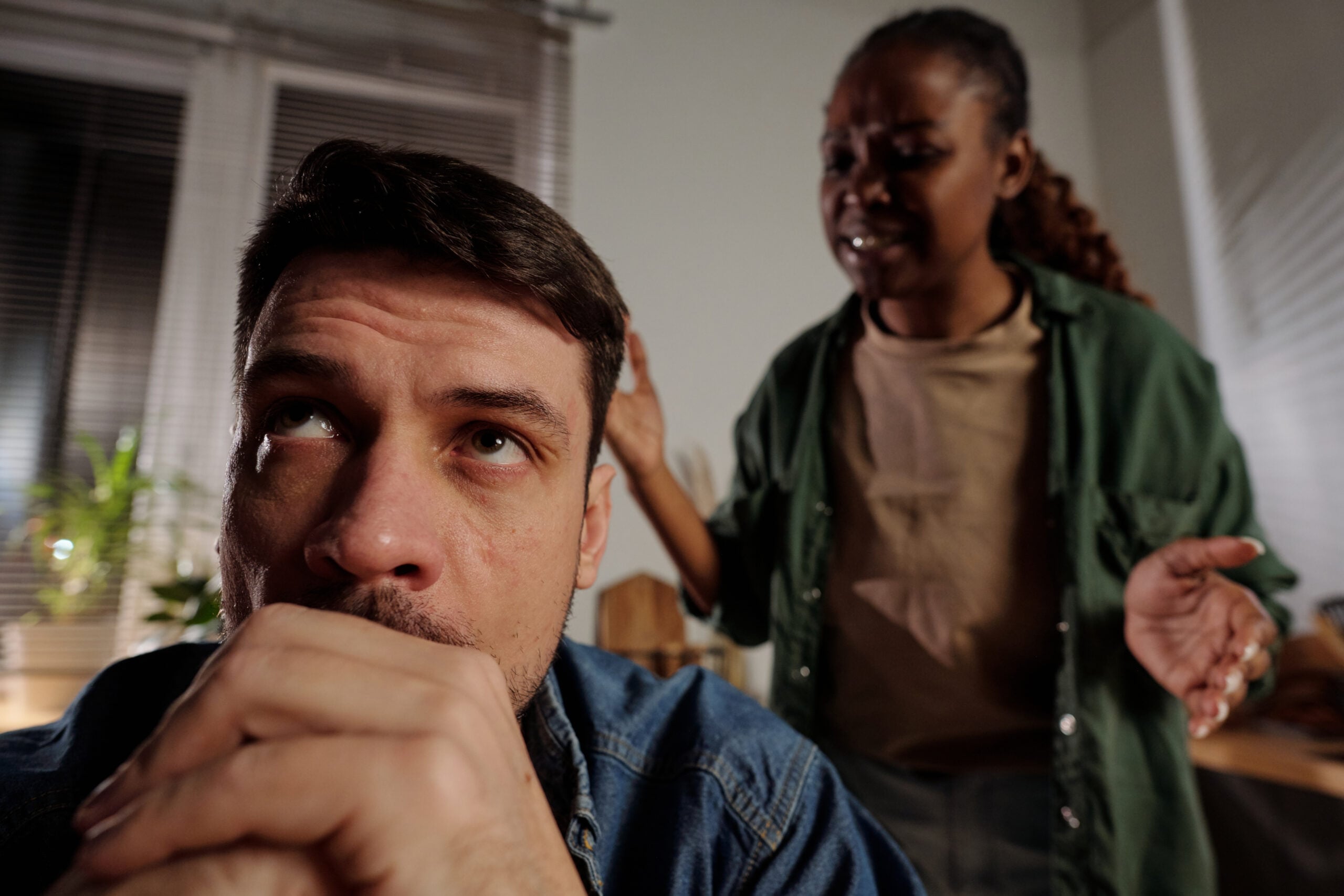
Mania can show up in everyday life in ways that may seem confusing at first. It may appear as a sudden change in personality, priorities, communication, or emotional intensity. Some people become extremely social and energized, while others become irritable, impatient, or easily frustrated.
The key is the shift from a person’s usual baseline. When the change is strong enough to affect relationships, work, finances, sleep, or safety, it may be more than ordinary stress or motivation.
- At home: someone may talk rapidly, sleep less, start multiple projects, or become easily agitated.
- At work or school: they may take on too much, feel unusually confident, or struggle to stay focused.
- In relationships: communication may become intense, reactive, or unpredictable.
- With decisions: choices may become faster, riskier, or less connected to long-term consequences.
Mania is not always easy to identify because some symptoms can look like productivity, confidence, or ambition at first. Over time, the pattern often becomes more noticeable when the person cannot slow down or maintain balance.
Common Signs of a Manic Episode
A manic episode usually involves more than one symptom. The symptoms often build together and create a pattern that affects emotional regulation, sleep, behavior, and judgment.
These signs may be easier to recognize when they represent a clear change from how someone usually functions.
- Elevated or irritable mood: feeling unusually high, powerful, agitated, or reactive.
- High activity level: starting many tasks, moving quickly, or feeling driven to keep going.
- Decreased sleep: needing little sleep without feeling tired.
- Racing thoughts: feeling mentally accelerated or unable to turn thoughts off.
- Distractibility: jumping between tasks, conversations, or ideas.
- Increased risk-taking: spending more, driving recklessly, making sudden commitments, or acting impulsively.
- Grandiosity: feeling unusually important, capable, or certain in ways that may not match reality.
These symptoms can affect daily life quickly. When mania escalates, outside support may be needed to help the person regain stability and reduce harm.
How Long Do Manic Episodes Last?
Manic episode length can vary depending on the person, the severity of symptoms, and whether the individual receives bipolar disorder support. Some episodes build gradually, while others intensify more quickly.
Many people do not realize an episode is happening until sleep, behavior, or decision-making has already changed in a noticeable way.
- Early buildup: increased energy, less sleep, racing thoughts, or emotional intensity may start first.
- Peak symptoms: impulsivity, irritability, rapid speech, or risky behavior may become more obvious.
- Aftereffects: exhaustion, regret, confusion, or emotional low may appear after the episode decreases.
Because manic episodes can affect judgment and safety, it is important not to wait until symptoms become severe before seeking help. Early support can make it easier to understand the pattern and reduce the impact on daily life.
Hypomanic Symptoms Checklist

Hypomania is a milder form of elevated mood or energy that may occur within bipolar disorder. While it can sometimes feel productive or positive, it is still part of the broader mood pattern that can affect emotional stability, relationships, and decision-making.
Some individuals may notice signs such as increased energy, reduced sleep, or faster thinking during a manic episode. These symptoms may overlap with hypomania but usually appear less intense than full manic episodes.
Understanding hypomania can help provide context for how bipolar disorder symptoms exist on a spectrum rather than as a single experience.
When Mania May Include More Severe Symptoms
In some cases, severe manic episodes may include symptoms that affect a person’s ability to think clearly or stay grounded in reality. This can happen when mood changes become more intense or prolonged.
These symptoms may include:
- Unusual beliefs or strong ideas that do not match reality
- Paranoia or feeling unsafe without clear reason
- Confused or disorganized thinking
- Changes in perception during severe episodes
When these symptoms appear, it is a sign that the episode may be more severe and may require additional professional support.
For more detailed information about these symptoms, see our guide on bipolar psychosis.
How Do Manic Episodes End?

Manic episodes usually do not stop suddenly. Instead, symptoms begin to ease gradually as energy levels, sleep patterns, and thinking start to return closer to a person’s normal baseline.
For many individuals, this shift may be noticed when the intensity of thoughts, activity, or emotional energy starts to slow down.
- Energy levels begin to decrease: the person may feel less driven or less “sped up”
- Sleep patterns start to return: the need for rest becomes more noticeable again
- Thinking becomes clearer: racing thoughts or rapid speech may slow down
- Awareness gradually returns: the person may start recognizing changes in their behavior
This transition phase can feel confusing, especially when someone reflects on actions or decisions made during the episode. In some cases, there may be emotional discomfort as clarity returns.
Understanding this phase can help individuals and families recognize that manic symptoms are shifting, and that support may still be helpful even after the most intense symptoms begin to fade.
Getting Support for Mania in Creekside Park
In Creekside Park, The Woodlands, individuals and families often seek support when manic symptoms begin affecting daily stability, relationships, or decision-making. Therapy can help people better understand mood patterns, identify early warning signs, and build practical tools for emotional regulation.
Support does not mean someone has failed. It means the symptoms are affecting life enough that guidance may help.
- Emotional awareness: learning how mood, energy, and behavior change over time.
- Trigger identification: noticing stress, sleep disruption, or life changes that may contribute to episodes.
- Coping strategies: building routines and tools that support stability.
- Relationship support: improving communication with loved ones after emotional intensity or conflict.
At Acceptance Path Counseling, we understand that mood changes can feel confusing and overwhelming when they begin affecting everyday life. In Creekside Park, The Woodlands, our counseling support focuses on helping individuals build awareness, strengthen emotional wellness, and move forward with greater stability and support.
Final Thoughts
A manic episode can look like high energy, reduced sleep, racing thoughts, impulsive behavior, irritability, or emotional intensity that feels difficult to control. While mania may feel productive or powerful at first, it can become disruptive when it affects relationships, safety, work, or long-term stability.
For individuals in Creekside Park, recognizing what a manic episode looks like can be an important step toward clarity. Support can help identify early warning signs, reduce emotional disruption, and build healthier ways to manage mood patterns over time.
Understanding mania is not about judgment. It is about recognizing when emotional and behavioral patterns may need care, structure, and support.
FAQs
What does a manic episode typically look like in everyday life in Creekside Park?
A manic episode may look like unusually high energy, reduced sleep, racing thoughts, impulsive behavior, irritability, or major changes in decision-making. In Creekside Park, someone may seek support when these symptoms begin affecting relationships, work, routines, or emotional stability.
When should someone in Creekside Park seek help for manic symptoms?
Someone in Creekside Park may benefit from support when manic symptoms begin affecting sleep, safety, communication, spending, work, relationships, or daily functioning. Early support can help identify patterns before symptoms become more disruptive.
Where can someone in Creekside Park, The Woodlands get help for manic episodes?
Someone in Creekside Park, The Woodlands can begin by reaching out to a licensed mental health professional or a counseling practice. Counseling can help individuals understand mood patterns, recognize early warning signs, and build strategies for greater emotional stability.
What are the 4 stages of mania?
The stages of mania are often described as early mood elevation, increasing symptoms, peak manic intensity, and resolution or crash. These stages can vary from person to person, and symptoms may not always follow a clear pattern.
Can manic episodes last different lengths for each person?
Manic episode length can vary depending on the individual, symptom severity, and whether support is received. Some episodes build gradually, while others intensify quickly and may require professional care to reduce risk and restore stability.